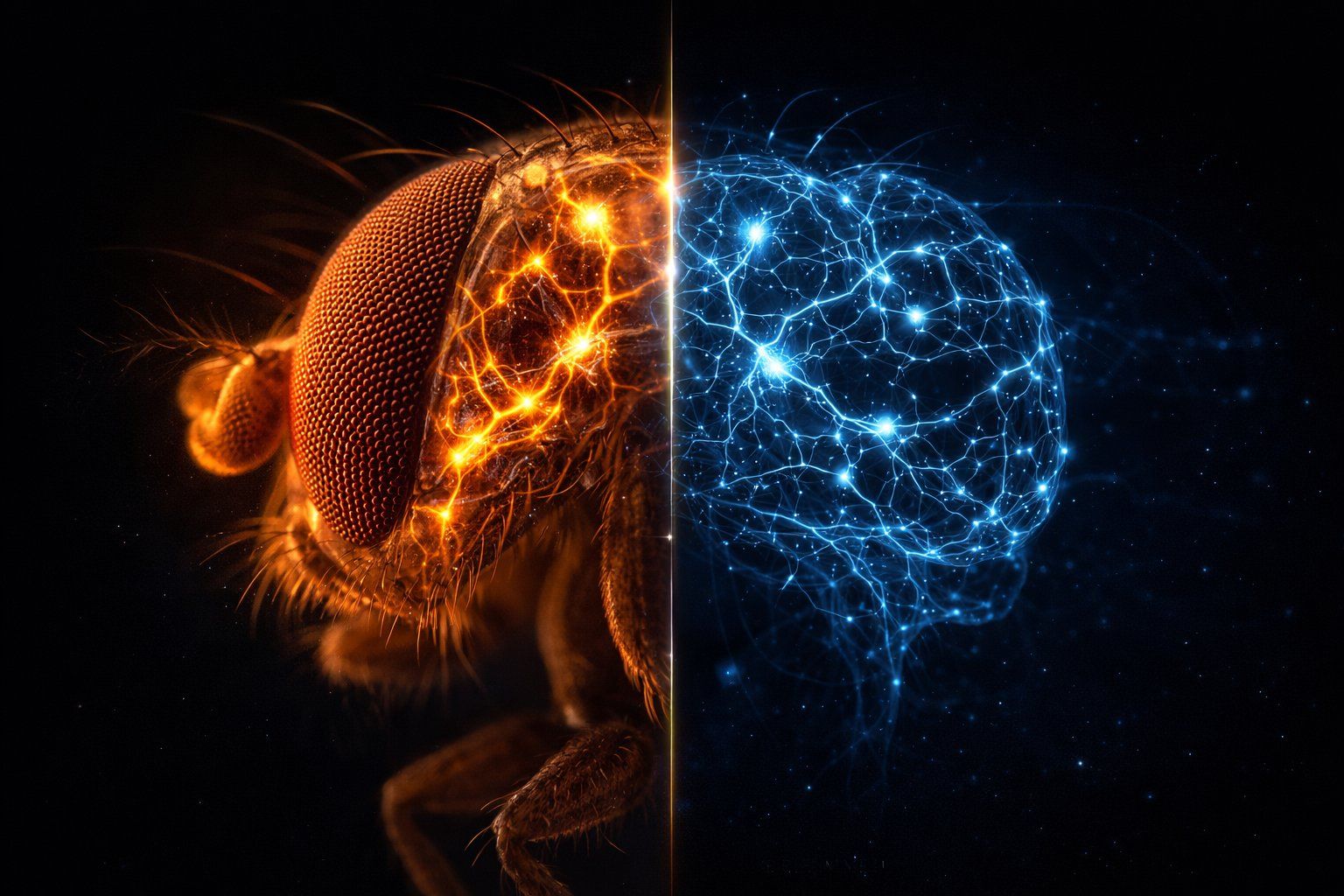








According to a new study, healthy individuals experienced a measurable change in immune cell activity after viewing virtual reality avatars exhibiting signs of being infected (without an actual pathogen present).
This gap in knowledge between two established bodies of research provided the impetus for this research. Specifically, researchers have known for some time that peripersonal space (the area of space immediately around one’s body) is encoded in the brain and that the brain’s peripersonal space system responds to both social and physical threats. Simultaneously, researchers have documented what some have called a “behavioural immune system”, a collection of perceptual and avoidant reactions we exhibit toward individuals who appear ill. What had yet to be tested was whether these reactions that happen in our brain could migrate into the realm of actual immune activity, causing changes in immune cells as well as causing individuals to physically move away from persons exhibiting signs of infection.
Previous research has established that multisensory-motor (MSM) brain regions and salience network(s) respond to threatening stimuli, and that the hypothalamic-pituitary-adrenal (HPA) axis connects the brain’s response to the immune system’s regulation. This study sought to determine whether the visual perception of infectious cues would activate this pathway.
The research team, led by Prof. Andrea Serino of the University Hospital of Lausanne and Prof. Camilla Jandus of the University of Geneva, recruited 248 healthy adult volunteers. Participants wore VR headsets through which avatar faces approached them stereoscopically, entering their peripersonal space at varying distances. The avatars displayed one of three conditions: signs of infection such as rashes and coughing, expressions of fear, or neutral presentations. Researchers measured behavioral responses using a tactile stimulation task touching participants’ faces and measuring reaction times as avatar distance varied. A separate subgroup of 32 participants underwent electroencephalography (EEG) during VR exposure to capture anticipatory neural signals. A further group underwent functional MRI (fMRI) to assess brain network activation. Blood samples were taken from participants before and after VR exposure and analyzed using flow cytometry and mass spectrometry to assess immune cell populations. The immune results were also compared against blood samples from individuals who had received a flu vaccine, which served as a reference point for real immune activation.
The behavioral results showed that participants who viewed infectious avatars reacted faster to tactile stimulation at greater distances compared to those who viewed fearful or neutral avatars indicating an expanded peripersonal space response specific to infectious cues. EEG data showed anticipatory neural activity in multisensory-motor areas before avatar contact, along with activation of the salience network, particularly the anterior insula and medial prefrontal cortex. The fMRI data showed increased connectivity between the salience network and the hypothalamus specifically during infectious avatar conditions a pattern not observed for fearful or neutral avatars. The blood analyses found changes in the frequency and activation states of innate lymphoid cells (ILCs) following exposure to infectious avatars. These are early-response immune cells that do not require antigen recognition to act. The pattern of ILC changes observed after VR exposure was reported by the researchers as similar to the pattern seen in participants who received the flu vaccine.
“These two systems were activated differently by a sick avatar different even to a fearful avatar,”
said Serino, a professor of cognitive neuroscience
“This is a completely new level of immune activation I wouldn’t have expected without entry of a pathogen into the body.”
Jandus, Immunologist
The researchers concluded that the brain appears capable of anticipating potential infection through perceptual processing and signaling to the immune system via the HPA axis, producing early immune preparation before any real pathogen is encountered.
Several limitations apply. The study used a healthy adult sample, and it is not established whether the findings generalize to other populations, including immunocompromised individuals or children. The ILC changes observed were described as early and short-lived; it remains untested whether this transient immune mobilization confers any actual protective benefit against infection. The researchers noted that from the time a pathogen enters the body, it typically takes one to two days for infection to establish — meaning the relevance of this brief anticipatory response to real-world disease outcomes is not yet known. The study also cannot confirm the directionality of the HPA axis involvement through correlational brain imaging alone. The VR stimuli, while designed to resemble realistic sick faces, are not identical to encountering a sick person, and behavioral transfer to real-world settings is unverified.
Reference:
Trabanelli, S., Akselrod, M., Papadopoulou, G., Ercolano, G., Vanoni, G., Cornu, A., and Jandus, C., Serino, A. et al. “Neural anticipation of virtual infection triggers an immune response.” Nature Neuroscience, vol. 28, pp. 1968–1977, 2025. DOI: 10.1038/s41593-025-02008-y