






Imagine a world where detecting cancer doesn’t require invasive biopsies, expensive scans, or waiting for symptoms to show up. Instead, a simple swab of your ear could reveal metabolic red flags long before a tumor even forms. New research from Brazil suggests it’s closer to reality than you might think.
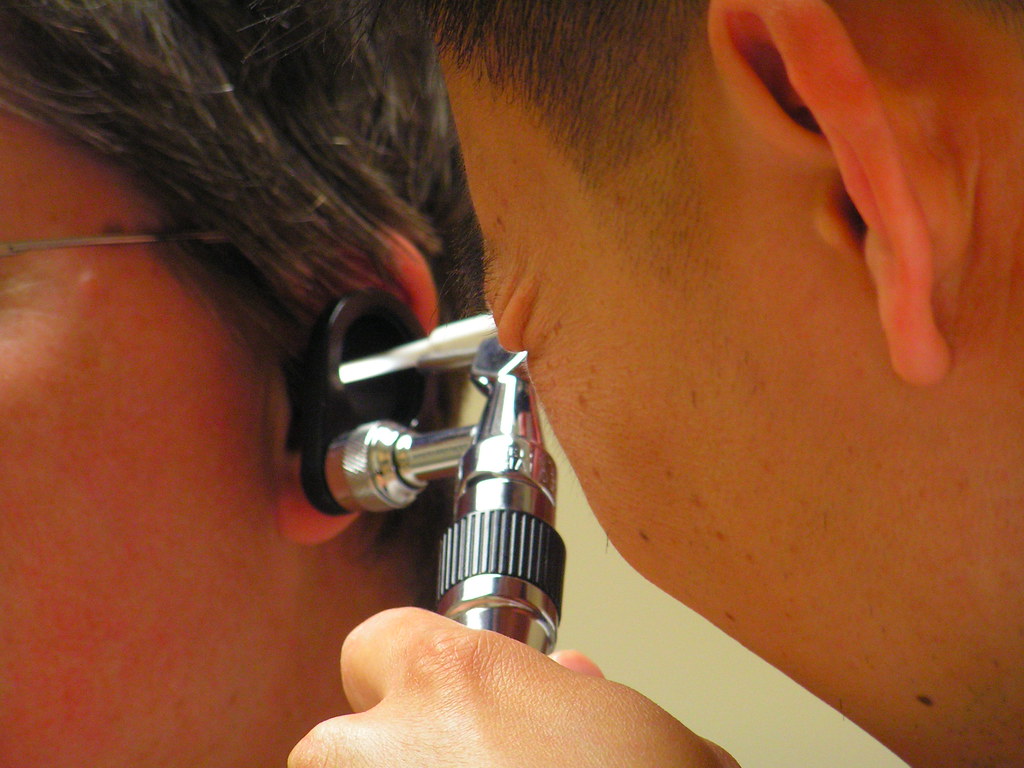
Earwax, or cerumen, isn’t just that sticky stuff you clean out with a cotton swab (which doctors advise against). It’s a complex mixture produced by glands in your ear canal, consisting of dead skin cells, hair, fatty acids, alcohols, cholesterol, and crucially volatile organic compounds (VOCs). These tiny, gaseous molecules evaporate easily and can reflect metabolic processes deep inside your body. Earwax acts like a natural “sponge” that traps these chemical signatures over time, with a slower turnover rate than blood or urine, offering a more stable snapshot of your metabolism.
The Brazilian Study
The story centers on the Federal University of Goiás (UFG) in Brazil, where chemist Nelson Roberto Antoniosi Filho and his team pioneered a technique called the “cerumenogram.” In their foundational 2019 study published in Scientific Reports, they collected earwax samples from 102 volunteers: 52 with various cancers (including carcinomas, lymphomas, and leukemias) and 50 healthy controls. Using headspace/gas chromatography-mass spectrometry (HS/GC-MS) a method that heats the sample to release VOCs, then separates and identifies them they detected 158 VOCs total. From these, 27 were selected as biomarkers that achieved perfect (100%) discrimination between cancer patients and healthy controls in their dataset.
“The mitochondria in diseased states function differently, producing or halting certain substances that signal pathology,” Antoniosi Filho explained in describing how cancer cells create unique chemical fingerprints.
Why It Works: Cancer as a Metabolic Disease
The biological rationale? Cancer is, at its core, a metabolic disease. Healthy cells use mitochondria for efficient energy production via oxidative phosphorylation. Cancer cells often shift to inefficient aerobic glycolysis (the Warburg effect), producing excess byproducts like lactate and altered VOCs. These metabolic shifts release unique chemical signatures into the bloodstream, which accumulate in lipid-rich earwax.
How Study Shows The Detection of Cancer Earlier
Building on this, a 2025 follow-up case series (also in Scientific Reports) expanded the cerumenogram’s scope. It showed the assay could detect precancerous stages such as hypermetabolic inflammation and dysplasia where cells are abnormal but not yet fully malignant. This is potentially transformative, as early-stage (stage 1) cancers often have cure rates up to 90%.
The method also tracked cancer remission by monitoring whether metabolic markers normalized post-treatment. One Brazilian hospital (Amaral Carvalho Hospital) has begun using it experimentally for treatment monitoring.
“It could provide lifesaving clues for early detection,” Antoniosi Filho noted about the cerumenogram’s potential.
The appeal is obvious: Earwax collection is non-invasive, painless, low-cost, and samples are stable at room temperature ideal for remote or resource-limited settings. No needles, no radiation, just a swab.
That said, rigorous fact-checking reveals important caveats. The 2019 study’s 100% accuracy was striking but derived from a modest sample size (n=102), and the assay distinguished only “cancer vs. non-cancer” not specific cancer types. The 2025 work reported strong performance (e.g., ~90% sensitivity/specificity in cross-validation), but it’s still a case series without large-scale, prospective, multi-center validation.
Experts emphasize the need for broader testing to rule out confounding factors like:
- Diet
- Environment
- Genetics
- Other metabolic conditions (e.g., diabetes) that might alter VOC profiles
While promising, it’s not yet ready for routine clinical use.
Not Entirely New, But Newly Promising
Earwax analysis isn’t entirely novel prior studies have linked it to stress hormones, Alzheimer’s-related proteins, or even diabetes markers but the Brazilian team’s focus on oncology elevates its potential.
In oncology, where early diagnosis dramatically improves outcomes, this humble secretion might one day play a starring role. Larger trials are needed to confirm reproducibility and specificity. For now, keep an ear out (pun intended) for updates this could evolve into a valuable tool in the cancer-fighting arsenal.
Key References:
- Barbosa JMG, et al. (2019). “Cerumenogram: a new frontier in cancer diagnosis in humans.” Scientific Reports, 9(1):11722.
- Barbosa JMG, et al. (2025). “Cerumenogram as an assay for the metabolic diagnosis of precancer, cancer, and cancer remission.” Scientific Reports, 15(1):13929.
- BBC Future (2025). “What your earwax can reveal about your health.”
- Medscape (2025). “Small Earwax Sample, Big Diagnostic Clues.”