




Monday, May 18, 2026
SAVED POSTS
  • Login
  • Register
RathBiotaClan
No Result
View All Result
  • HOME
  • HEALTH SCIENCE

    TRENDING ON HEALTH (TOP)

    Cycling Linked to Lower Dementia Risk in Study of Nearly 480,000 Adults

    First oral GLP-1 weight-loss pill approved a new era for accessible treatment

    Chewing gum releases thousands of microplastic particles directly into your mouth with every piece you chew

    Single-Cell Study of Over a Million Immune Cells Reveals Why Women Are More Prone to Autoimmune Disease

    NOW ON AIR (RBC)

    A new study has found that men’s brains shrink faster than women’s as they age.
    NEUROSCIENCE

    12,638 MRI Scans Confirm Men’s Brains Shrink Faster in PNAS Study

    May 14, 2026
    ENVIRONMENTAL SCIENCE

    Volcanic Eruptions Can Destroy Their Own Methane — Tonga’s Plume Shows How

    May 13, 2026
    3 men standing on rocky shore during daytime
    MOLECULAR BIOLOGY

    For Future Space Missions, Molecular Ecology Finally Offers a Clear Biosignature Target

    May 12, 2026
    Babies Yawn in the Womb
    DEVELOPMENTAL BIOLOGY

    Scientists Say Babies May Learn to Yawn Before Birth

    May 11, 2026
  • NEUROSCIENCE
    • PHYSIOLOGY
    • IMMUNOLOGY
    • CANCER
  • DISCOVERIES
    • SPOTLIGHTS
    • STUDENT PORTAL
    • SCIENCE FEATURED
  • MOLECULAR BIOLOGY
    • GENETICS
    • BIOTECHNOLOGY
    • BIOINFORMATICS
    • BIOCHEMISTRY
    • BIOPHYSICS
  • ZOOLOGY & ECOLOGY
    • ENVIRONMENTAL SCIENCE
    • ECOLOGY
    • EVOLUTION
  • MICRO & PLANT SCIENCE
    • MICROBIOLOGY
    • CELL BIOLOGY
    • DEVELOPMENTAL BIOLOGY
  • PSYCHOLOGY
RathBiotaClan
RathBiotaClan
No Result
View All Result
Home BIOCHEMISTRY

How ATP Provides Energy to Cells for Metabolic Processes

Shibasis Rath by Shibasis Rath
June 17, 2024
in BIOCHEMISTRY, STUDENT PORTAL
Reading Time: 4 mins read
0
A A
0
RathBiotaClan LOGO

Adenosine triphosphate (ATP) is an indispensable molecule within cells, often likened to a universal currency due to its pivotal role in energy transactions. It serves as the primary energy carrier, facilitating crucial biochemical processes essential for cellular function and survival.

Structure of ATP

ATP contains three main components:

  • Adenine (a nitrogenous base)
  • Ribose (a five-carbon sugar)
  • Three phosphate groups

In its active form, ATP is frequently associated with magnesium ions (Mg2+) or manganese ions (Mn2+), which stabilize its structure and facilitate enzymatic reactions.

Energy-Rich Molecule

The energy currency of ATP resides in its phosphoanhydride bonds, particularly the bonds between the phosphate groups. The hydrolysis of these bonds releases a significant amount of free energy, approximately -12 kcal/mol (-50 kJ/mol) under standard cellular conditions. This energy release powers a vast array of cellular activities, from muscle contraction to the active transport of molecules across cell membranes.

ADVERTISEMENT

Free Energy of Hydrolysis

The standard free energy change (ΔG°) associated with ATP hydrolysis is a critical determinant of its functional role within cells. This energy release drives endergonic (energy-requiring) processes by providing the necessary energy input to overcome thermodynamic barriers.

READ ALSO

First oral GLP-1 weight-loss pill approved a new era for accessible treatment

Comparative and Functional Genomics Notes Bioinformatics (UNIT 3) Paper 802

The ATP-ADP Cycle

Central to cellular metabolism, the ATP-ADP cycle involves the continuous synthesis and breakdown of ATP from adenosine diphosphate (ADP) and inorganic phosphate (Pi). ATP synthesis occurs primarily through oxidative phosphorylation during the metabolic oxidation of fuel molecules in chemotrophs or through photophosphorylation in phototrophs, where light energy is converted into chemical energy.

ADVERTISEMENT

Enzymatic Phosphorylation

Enzymes play a crucial role in the phosphorylation of molecules using ATP. Nucleoside monophosphate kinases catalyze the transfer of phosphate groups from ATP to nucleoside monophosphates, forming nucleoside diphosphates. Nucleoside diphosphate kinase further phosphorylates these diphosphates, demonstrating broad substrate specificity in cellular phosphorylation processes.

High Phosphoryl Transfer Potential

ATP’s high phosphoryl transfer potential enables it to act as an efficient energy carrier in cellular metabolism. This property allows ATP to drive coupled reactions by altering the equilibrium of biochemical processes, thereby facilitating essential cellular functions.

Generation of ATP

Cells primarily generate ATP through two main processes:

ADVERTISEMENT

Oxidative Phosphorylation: Involves the oxidation of metabolic substrates such as glucose, fatty acids, and amino acids to produce acetyl CoA, which enters the citric acid cycle. This cycle generates reducing equivalents (NADH and FADH2) that donate electrons to the electron transport chain, establishing a proton gradient that drives ATP synthesis.

Glycolysis: Breaks down glucose into pyruvate, yielding a smaller amount of ATP compared to oxidative phosphorylation. This pathway is essential for energy production in the absence of oxygen or under anaerobic conditions.

Role of NADPH in Biosynthesis

Apart from ATP, cells utilize NADPH as a crucial reducing agent in biosynthetic pathways. NADPH, generated primarily through the pentose phosphate pathway, provides reducing equivalents necessary for the synthesis of complex biomolecules from simpler precursors. This pathway plays a pivotal role in maintaining cellular redox balance and supporting anabolic processes.

Anabolic and Catabolic Pathways

Metabolic pathways within cells are broadly categorized into anabolic (biosynthetic) and catabolic (degradative) pathways:

Anabolic Pathways: Involve the synthesis of complex molecules from simpler precursors using ATP and reducing equivalents. Examples include the synthesis of lipids, proteins, and nucleic acids from metabolic intermediates like acetyl CoA and amino acids.

Catabolic Pathways: Break down complex molecules into smaller, more manageable components, releasing energy in the process. Glycolysis, the citric acid cycle, and oxidative phosphorylation are key catabolic pathways involved in extracting energy from nutrients.

Adenosine triphosphate (ATP) serves as the cornerstone of cellular energy metabolism, facilitating energy transactions vital for sustaining life. Its ability to store and release energy efficiently enables cells to perform diverse functions, ranging from mechanical work to biosynthesis and signaling. Understanding the intricate role of ATP in cellular energetics provides profound insights into the mechanisms underlying cellular physiology and opens avenues for therapeutic interventions targeting metabolic disorders and energy-related diseases.

  • Share on WhatsApp (Opens in new window) WhatsApp
  • Share on Facebook (Opens in new window) Facebook
  • Share on Reddit (Opens in new window) Reddit
  • Share on X (Opens in new window) X
  • Print (Opens in new window) Print
Shibasis Rath

Shibasis Rath

"𝓒𝓸𝓷𝓷𝓮𝓬𝓽𝓲𝓷𝓰 𝓡𝓮𝓼𝓮𝓪𝓻𝓬𝓱 𝓣𝓸 𝓡𝓮𝓪𝓵𝓲𝓽𝔂" 𝓲𝓼𝓷'𝓽 𝓙𝓾𝓼𝓽 𝓪 𝓜𝓸𝓽𝓽𝓸 - 𝓘𝓽'𝓼 𝓜𝔂 𝓜𝓲𝓼𝓼𝓲𝓸𝓷

Related Posts

oral GLP-1 weight loss pill semaglutide tablet Wegovy FDA approved 2025
BIOCHEMISTRY

First oral GLP-1 weight-loss pill approved a new era for accessible treatment

May 8, 2026
notes on paper 802 bioinformatics msc unit 3
BIOINFORMATICS

Comparative and Functional Genomics Notes Bioinformatics (UNIT 3) Paper 802

February 22, 2026
Scientists Reverse Genetic Blindness by Rewiring Cell Metabolism in Vision Study
BIOCHEMISTRY

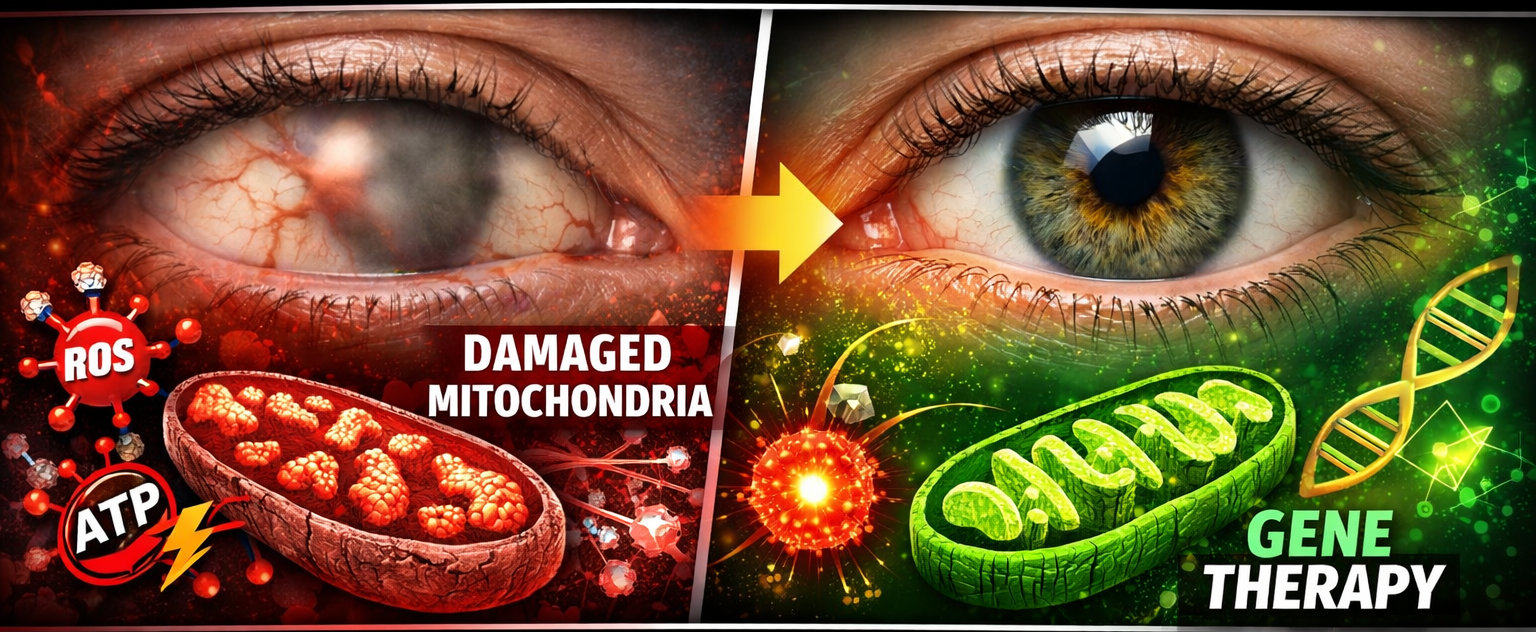
Scientists Reverse Genetic Blindness by Rewiring Cell Metabolism in Vision Study

February 19, 2026

POPULAR NEWS

Chewing gum releases thousands of microplastic particles directly into your mouth with every piece you chew

Chewing gum releases thousands of microplastic particles directly into your mouth with every piece you chew

by Shibasis Rath
May 8, 2026
0

Microplastics are turning up in places researchers never expected: deep-sea sediments, Arctic ice, and human blood. Now, a UCLA pilot...

Yelling Isn’t Just Yelling: How a Hostile Home Rewires a Child’s Brain for Constant Alert

Yelling Isn’t Just Yelling: How a Hostile Home Rewires a Child’s Brain for Constant Alert

by Shibasis Rath
March 8, 2026
0

To a parent in the heat of the moment, a raised voice may feel like simple frustration. To a child...

a group of gen Z kids walking down a street

Is Gen Z the First Generation Less Intelligent Than Their Parents?

by Shibasis Rath
February 5, 2026
0

Gen Z intelligence decline is emerging as a serious concern among neuroscientists and education researchers. For over a century, each...

Whole Brain Emulation Achieved: Scientists Run a Fruit Fly Brain in Simulation

by Shibasis Rath
March 9, 2026
0

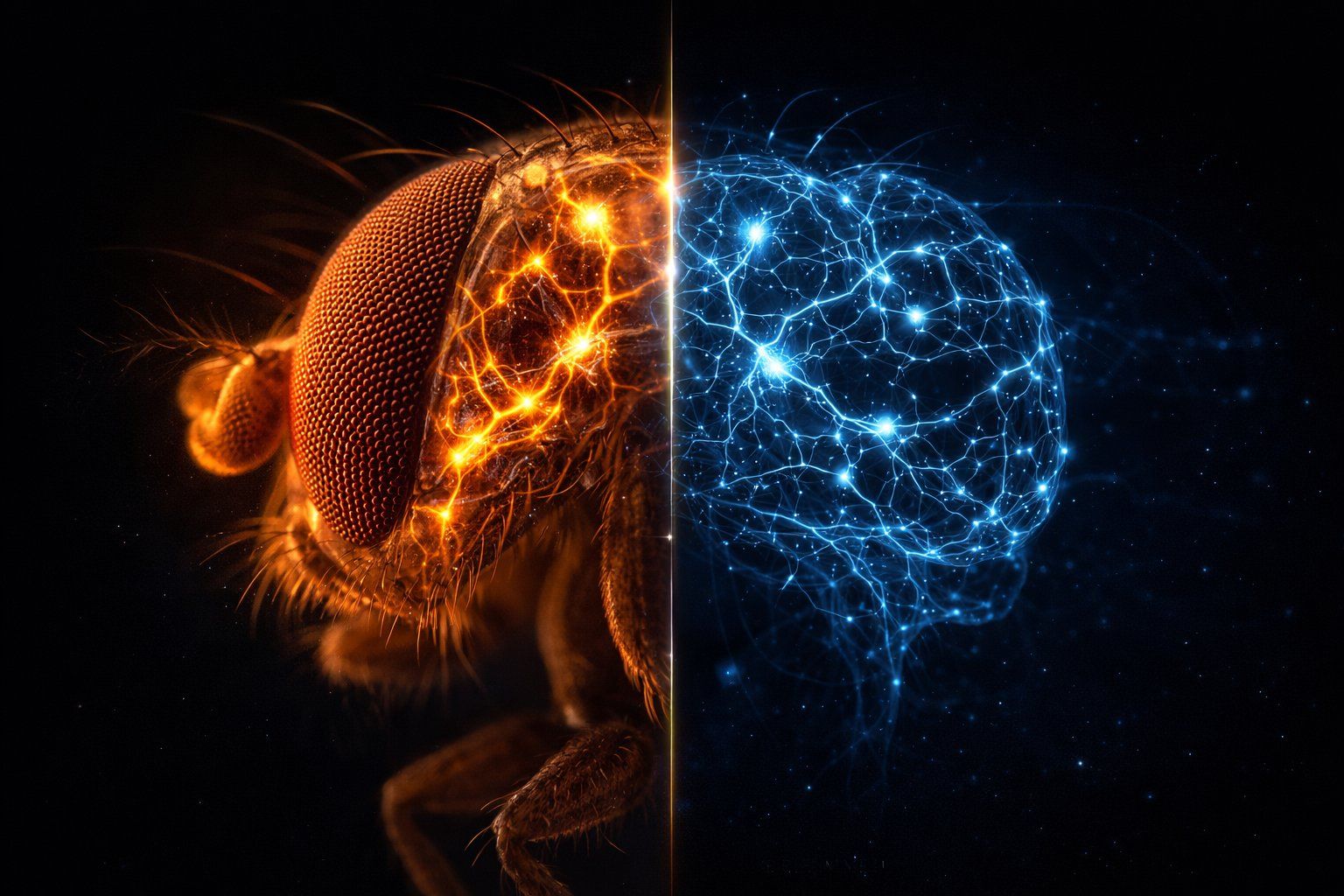
Scientists have copied an entire biological brain neuron by neuron and synapse by synapse and made it control a simulated...

Global Sperm Counts Have Dropped 50% in 50 Years Now 128 Men Are Racing Their Way to a $100,000 Prize to Prove the Point

Global Sperm Counts Have Dropped 50% in 50 Years Now 128 Men Are Racing Their Way to a $100,000 Prize to Prove the Point

by Staff Writer
May 5, 2026
0

A group of technology entrepreneurs is staging a competitive event in San Francisco in which semen samples from 128 men...

EDITOR CHOICE‘S

  • All
  • NEWS
  • SPOTLIGHTS
A new study has found that men’s brains shrink faster than women’s as they age.

12,638 MRI Scans Confirm Men’s Brains Shrink Faster in PNAS Study

by Staff Writer
May 14, 2026
0

A large-scale analysis of brain scans taken over time has found that men's brains shrink faster than women's across a...

Volcanic Eruptions Can Destroy Their Own Methane — Tonga’s Plume Shows How

Volcanic Eruptions Can Destroy Their Own Methane — Tonga’s Plume Shows How

by Shibasis Rath
May 13, 2026
0

A study published in Nature Communications analyzed the Hunga Tonga-Hunga Ha'apai volcano eruption's impact on methane in the atmosphere. It...

3 men standing on rocky shore during daytime

For Future Space Missions, Molecular Ecology Finally Offers a Clear Biosignature Target

by Shibasis Rath
May 12, 2026
0

When the next generation of probes scoops up dust from the icy shell of Europa or the surface of Mars,...

Babies Yawn in the Womb

Scientists Say Babies May Learn to Yawn Before Birth

by Shibasis Rath
May 11, 2026
0

Mothers can spread yawns to their yet-to-be-born offspring during pregnancy, researchers report May 5 in Current Biology  the first empirical evidence...

ADVERTISEMENT

RathBiotaClan – RBC

RathBiotaClan – Connecting Research To Reality

Your trusted source for life science news, biology research & discoveries. Covering neuroscience, genetics, ecology, and more — connecting research to reality.

Privacy Policies

Contact Us

About Us

Editorial Standards

Latest Posts

  • 12,638 MRI Scans Confirm Men’s Brains Shrink Faster in PNAS Study
  • Volcanic Eruptions Can Destroy Their Own Methane — Tonga’s Plume Shows How
  • For Future Space Missions, Molecular Ecology Finally Offers a Clear Biosignature Target
  • Scientists Say Babies May Learn to Yawn Before Birth

SHIBASIS RATH

Contact Mail

rathbiotaclan@gmail.com

No Result
View All Result
MSME (Udyam) Certified Science Platform
Govt. of India

Get Us On PlayStore

playstore app for rathbiotaclan
  • About Us
  • Advertise With Us
  • Cancellation and Refund Policy
  • Contact Us
  • Contribute
  • Editorial Standards
  • Home
  • Pricing Details
  • Privacy Policies
  • Shipping Policy
  • Terms & Conditions

© 2026 RathBiotaClan. All rights reserved.

Welcome Back!

Sign In with Google
OR

Login to your account below

Forgotten Password? Sign Up

Create New Account!

Sign Up with Google
OR

Fill the forms bellow to register

*By registering into our website, you agree to the Terms & Conditions and Privacy Policy.
All fields are required. Log In

Retrieve your password

Please enter your username or email address to reset your password.

Log In

Add New Playlist

No Result
View All Result
  • HOME
  • HEALTH SCIENCE
  • NEUROSCIENCE
    • PHYSIOLOGY
    • IMMUNOLOGY
    • CANCER
  • DISCOVERIES
    • SPOTLIGHTS
    • STUDENT PORTAL
    • SCIENCE FEATURED
  • MOLECULAR BIOLOGY
    • GENETICS
    • BIOTECHNOLOGY
    • BIOINFORMATICS
    • BIOCHEMISTRY
    • BIOPHYSICS
  • ZOOLOGY & ECOLOGY
    • ENVIRONMENTAL SCIENCE
    • ECOLOGY
    • EVOLUTION
  • MICRO & PLANT SCIENCE
    • MICROBIOLOGY
    • CELL BIOLOGY
    • DEVELOPMENTAL BIOLOGY
  • PSYCHOLOGY
  • Login
  • Sign Up
SAVED POSTS

© 2026 RathBiotaClan. All rights reserved.

This website uses cookies. By continuing to use this website you are giving consent to cookies being used. Visit our Privacy and Cookie Policy.