






Venomous creatures have long captivated humanity, utilizing complex biochemical cocktails designed for predation, defense, and competition. This article delves into the fascinating world of venom, exploring its evolutionary origins, diverse delivery mechanisms, medical applications, and conservation concerns across the animal kingdom.
Evolutionary Origins and Venom Diversity
Venom has evolved independently in over 30 animal groups, a testament to its effectiveness in natural selection. Key venom components, such as phospholipases and proteases, target critical physiological processes, demonstrating the phenomenon of convergent evolution in venomous species. This showcases how different creatures have developed similar venom strategies to survive and thrive in their respective environments.
Mechanisms of Venom Delivery
From fangs to stingers and specialized cells like cnidocytes in cnidarians, venomous creatures have evolved diverse mechanisms for delivering their toxins. These adaptations reflect the ongoing evolutionary arms race between predators and prey, shaping ecosystems and influencing species interactions. Understanding these delivery systems is key to appreciating the complexity of venom evolution.
Cnidarians: The Pioneers of Venom Evolution
Cnidarians, including jellyfish and sea anemones, are among the earliest venomous animals. Their venom delivery system, which involves specialized cells called cnidocytes, enables them to capture prey and defend themselves against predators. This group serves as a critical model for studying the evolution and mechanisms of venom delivery, helping scientists unravel the origins of venomous traits in animals.
Mollusks: Cones and Cephalopods
Within the Mollusca phylum, species like cone snails (Conidae) and cephalopods use potent venoms for both hunting and defense. Cone snails employ harpoon-like structures to inject neurotoxic venom into their prey, disrupting the nervous system and ensuring efficient predation. Their venomous mechanisms are a perfect example of the evolutionary strategies that venomous animals use to target specific prey.
Potential Medical Applications of Venom
The toxins produced by venomous creatures have immense potential in the medical field. For example, ShK toxins from sea anemones are being investigated for their potential in treating neurological disorders. Ongoing research continues to uncover new venom compounds that may inspire novel treatments for various human diseases, highlighting the untapped medical potential of venom.
Conservation and Ethical Considerations
Many venomous species face threats from habitat loss and climate change, making conservation efforts crucial. Protecting these species ensures the preservation of biodiversity and the valuable medical resources they provide. Ethical considerations also play a role in venom research, with an emphasis on sustainable practices that respect the ecological roles of venomous organisms while advancing scientific knowledge.
Exploring Coleoid Cephalopod Venoms: Insights into Marine Predation
Coleoid cephalopods, such as the infamous blue-ringed octopus (Hapalochlaena spp.), utilize venom for hunting and defense. These marine mollusks employ highly specialized venomous structures like their beaks and radular teeth to subdue prey. The venom of these cephalopods is a prime example of how marine predation and venom interact to create sophisticated hunting strategies.
Venom Composition and Function in Cephalopods
The venom of blue-ringed octopuses contains maculotoxins, which resemble tetrodotoxin (TTX) and block sodium ion channels in the prey. Specialized venom glands secrete α- and β-cephalotoxins, which are specifically designed to target prey like crabs, showcasing the precision of cephalopod venom in action. These toxins highlight the sophisticated biochemical arsenals that cephalopods possess.
Venomous Adaptations in Extreme Environments
Some Antarctic octopus species have developed venoms adapted to extreme cold environments, underscoring the evolutionary flexibility of venomous animals. These adaptations allow them to thrive in conditions that would be inhospitable to other creatures, reflecting the diverse ways venom evolves to suit specific environmental challenges.
Venomous Strategies in Platyhelminthes, Nemertea, Chaetognatha, and Echinodermata
This section explores the venomous adaptations of flatworms, ribbon worms, arrow worms, and echinoderms, highlighting their unique strategies for predation and defense in marine ecosystems.
Platyhelminthes: Flatworms and Their Venomous Toxins
Flatworms, with over 30,000 species, use harpoon-like structures to inject toxins like tetrodotoxin (TTX) into their prey. While the biochemistry of their venom is still not fully understood, these species exemplify the diversity of venomous strategies in invertebrates, offering new insights into how venom can evolve to serve various ecological purposes.
Nemertea: Ribbon Worms and Their Enigmatic Venom
Ribbon worms (Nemertea) possess an eversible proboscis armed with calcareous stylets, injecting toxins that immobilize prey. In species without a proboscis, TTX serves as a defensive toxin, providing an interesting look at how different species utilize venom in predatory and defensive contexts.
Chaetognatha: Arrow Worms and Their Venomous Precision
Arrow worms (Chaetognatha), with over 100 species, inject TTX into their prey using specialized hooked spines. The origins of this venom are believed to be linked to symbiotic bacteria, adding another layer of complexity to the evolution of venom in these marine predators.
Echinodermata: Venomous Innovations in Sea Creatures
Echinoderms, such as sea stars and sea urchins, exhibit venomous adaptations like plancitoxins in Acanthaster planci and muscular contraction-inducing toxins in sea urchins. These toxic innovations play a crucial role in both defense and predation, demonstrating the evolutionary significance of venom in marine ecosystems.
Venomous Reptiles, Vertebrates, and Mammals: Nature’s Deadly Arsenal
Venomous creatures across various vertebrate lineages, including reptiles, amphibians, and even mammals, demonstrate fascinating evolutionary adaptations that utilize venom for survival and predation.
Venomous Reptiles: Masters of Subtle Lethality
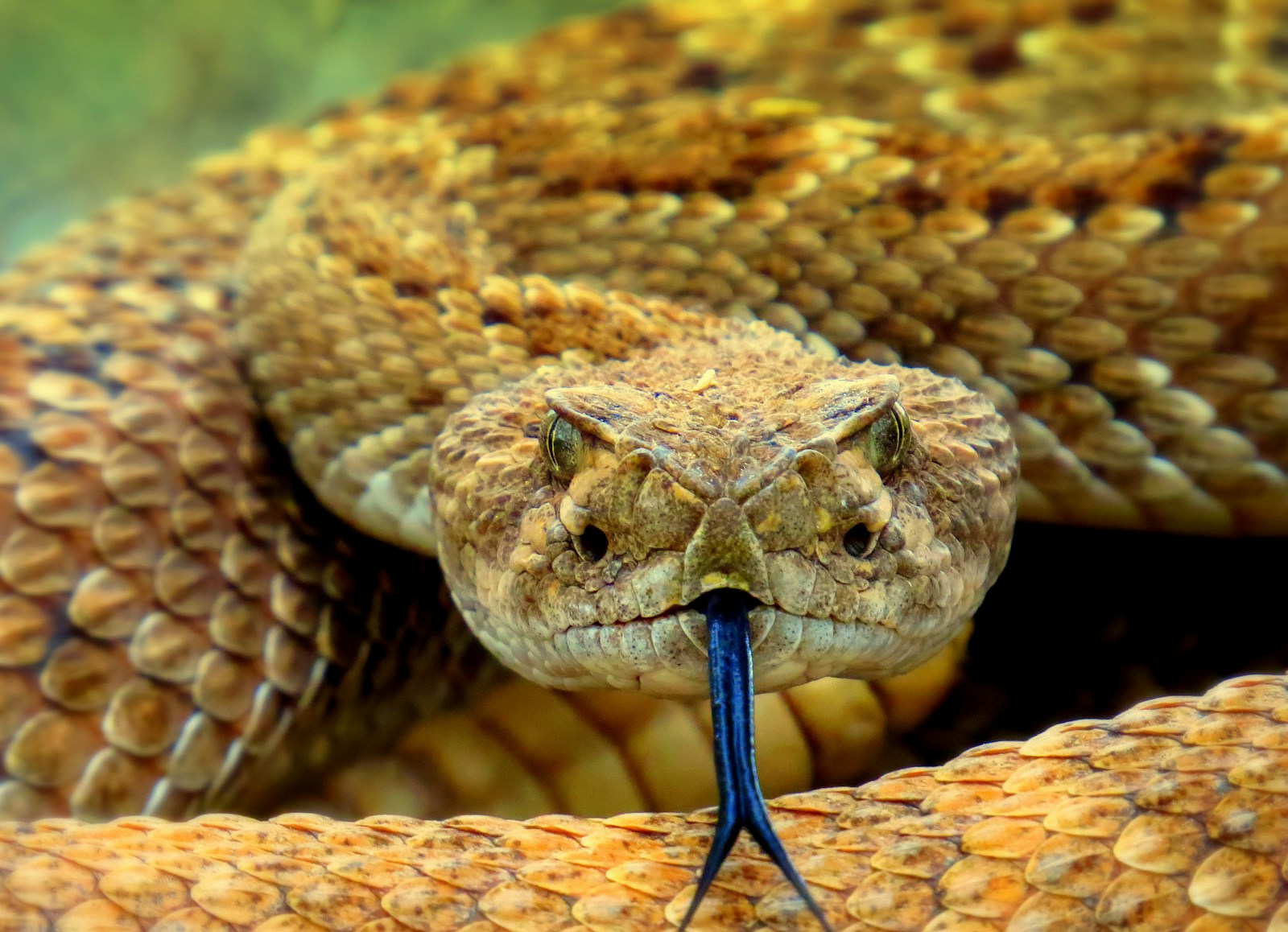
Venomous reptiles, such as snakes, have evolved a variety of venom types. Neurotoxic venoms paralyze prey, while hemotoxic venoms disrupt blood clotting and cause tissue damage. Geographic variation in venom composition underscores the evolutionary pressures exerted by local prey species, illustrating the ongoing evolutionary arms race between predators and prey.
Venomous Vertebrates: Aquatic Defenders and Predators
Venomous fish like lionfish and stonefish use venomous spines for defense and capturing prey. Similarly, amphibians like poison dart frogs secrete potent toxins through their skin to deter predators. These species represent a different approach to venomous defense, utilizing chemical defenses for survival.
Venomous Mammals: Rare and Remarkable
Mammals like the platypus and solenodon exhibit rare venomous adaptations. The platypus produces venom through spurs on the male’s hind limbs, which serves in territorial disputes. Solenodons secrete venomous saliva to subdue prey, demonstrating the evolutionary diversity of venom in mammals.
Conservation Challenges
Venomous reptiles, vertebrates, and mammals not only play vital ecological roles but also hold immense potential for drug development, particularly in areas like pain management and the treatment of cardiovascular diseases. However, conservation of these species is equally critical, as habitat loss and climate change threaten both their populations and the valuable venom compounds they produce.