




Thursday, June 18, 2026
SAVED POSTS
  • Login
  • Register
RathBiotaClan
No Result
View All Result
  • HOME
  • HEALTH SCIENCE

    TRENDING ON HEALTH (TOP)

    For People Antidepressants Never Helped, a 30-Minute Home Session Is Now FDA-Approved

    Scientists Say Your Next Tube of Toothpaste Could Be Made From Human Hair

    Your Lungs, Liver, and Pancreas Also Age Faster When You Sleep Wrong

    Cycling Linked to Lower Dementia Risk in Study of Nearly 480,000 Adults

    NOW ON AIR (RBC)

    NEUROSCIENCE

    Step-Synchronized Brain Stimulation Reduces Falls in Small Parkinson’s Trial

    June 16, 2026
    NEWS

    A Father’s Touch in Infancy Can Shape a Child’s Health for Years, New Science Explains Why

    June 9, 2026
    MutExpress
    BIOINFORMATICS

    South Asian Patients Have Been Left Out of Cancer Genomics for Decades & MutExpress-India Is Changing That

    June 8, 2026
    Biodiversity Loss
    ECOLOGY

    Biodiversity Loss Could Bankrupt Nations And Wall Street Hasn’t Noticed Yet

    June 5, 2026
  • NEUROSCIENCE
    • PHYSIOLOGY
    • IMMUNOLOGY
    • CANCER
  • DISCOVERIES
    • SPOTLIGHTS
    • STUDENT PORTAL
    • SCIENCE FEATURED
  • MOLECULAR BIOLOGY
    • GENETICS
    • BIOTECHNOLOGY
    • BIOINFORMATICS
    • BIOCHEMISTRY
    • BIOPHYSICS
  • ZOOLOGY & ECOLOGY
    • ENVIRONMENTAL SCIENCE
    • ECOLOGY
    • EVOLUTION
  • MICRO & PLANT SCIENCE
    • MICROBIOLOGY
    • CELL BIOLOGY
    • DEVELOPMENTAL BIOLOGY
  • PSYCHOLOGY
RathBiotaClan
RathBiotaClan
No Result
View All Result
Home ECOLOGY

Most Poisoning Birds In The World

Shibasis Rath by Shibasis Rath
September 28, 2024
in ECOLOGY, SCIENCE FEATURED, ZOOLOGY
Reading Time: 10 mins read
0
A A
0

Spur-winged Goose: A Poisoned Fowl

The Spur-winged Goose is a species of bird that is native to sub-Saharan Africa. It is an interesting but deadly bird. It is not exactly poisonous, but the meat can be if it has been eating the right things. It eats blister beetles that contain a chemical called cantharidin. What’s toxic in those blister beetles is toxic for most animals, including humans. In the spur-winged goose, meat consumption leads to vomiting, renal damage, or even death.

This bird has a resistance that is unique when it comes to this toxin, which would be lethal in many other species. The resistance might be related to the peculiar metabolism of the bird, one that stores the toxin in its tissues yet does not feel the negative impacts of such poisoning. Even though game enthusiasts appreciate the Spur-winged Goose, they should know that, if the meat is not prepared correctly, it can bring horrific cases of poisoning.

Historically, birds of this type have had a place in African folklore, where the poisonous nature of the species sometimes connected them to supernatural powers. Today, they remind everyone about the duality of nature – how beauty and danger can reside within one species.

Bronzewing Pigeons: The Toxic Natives of Southwest Australia

Such Bronzewing Pigeons, which inhabit southwest Australia, have gorgeous iridescent feathers, ironically poisonous. Also, as is the case with the Spur-winged Goose, which owes its toxicity due to its dietary habits, these pigeons are harmful due to their diet, feeding on pyrrolizidine alkaloids, which are toxic in nature and especially hepatotoxic. Though the pigeon itself does not appear to be affected by its diet, the toxins can accumulate within the body of the bird and cause unsafe effects within predators as well as among humans.

ADVERTISEMENT

This is an extremely rare characteristic among pigeons and puts the Bronzewing Pigeon at a distinct pedestal. Birds are very well adapted to their setting. They therefore do well in arid lands and feed on several plants, which are partially toxic. Australian natives have for long known that the bird in question has the potential to be toxic, and thus have traditional ways of preparing the meat to ensure that it’s safe.

READ ALSO

Biodiversity Loss Could Bankrupt Nations And Wall Street Hasn’t Noticed Yet

Human-generated electromagnetic noise has long lasting effects on light orientation in bats

The Bronzewing Pigeon is further important in the controlling of toxic plants as it feeds on them. The fascinating biology of the Bronzewing Pigeon reflects the complex interactions between animals and their environment, thus showing how species can adapt to challenges by turning potential threats into survival mechanisms.

ADVERTISEMENT
a bird in flight with a blue sky in the background
Bronzewing Pigeons

Rough Grouse: A Bird with a Toxic Twist

The example of birds that can be poisonous according to what it eats is the Rough Grouse, a native bird from North America. It consumes many varieties of plants and some that contain coniine, a known toxin in poison hemlock. Most of the time, the bird itself is safe to eat, but will consume toxic plants when its source of food becomes scarce during winter.

ADVERTISEMENT

The amount of toxicity that Rough Grouse may have consumed having eaten poison hemlock could range from mild illness to death, based on the amount of toxin found to reside inside a bird’s tissue. This seasonal issue is something that has always plagued hunters who focus their efforts during the winter time on the Rough Grouse.

Although for this reason alone the Rough Grouse is a great game bird-to keep the hunters on their toes and able to be hunted during milder seasons-it is very highly valued, it also is an important part of the ecosystem helping in seed dispersal, as well as controlling plant populations, its’ example in relationship with the toxic plants is a great example of how animals cope with harmful elements in nature and even at times becoming a threat.

The European Quail: A Poisonous Balance

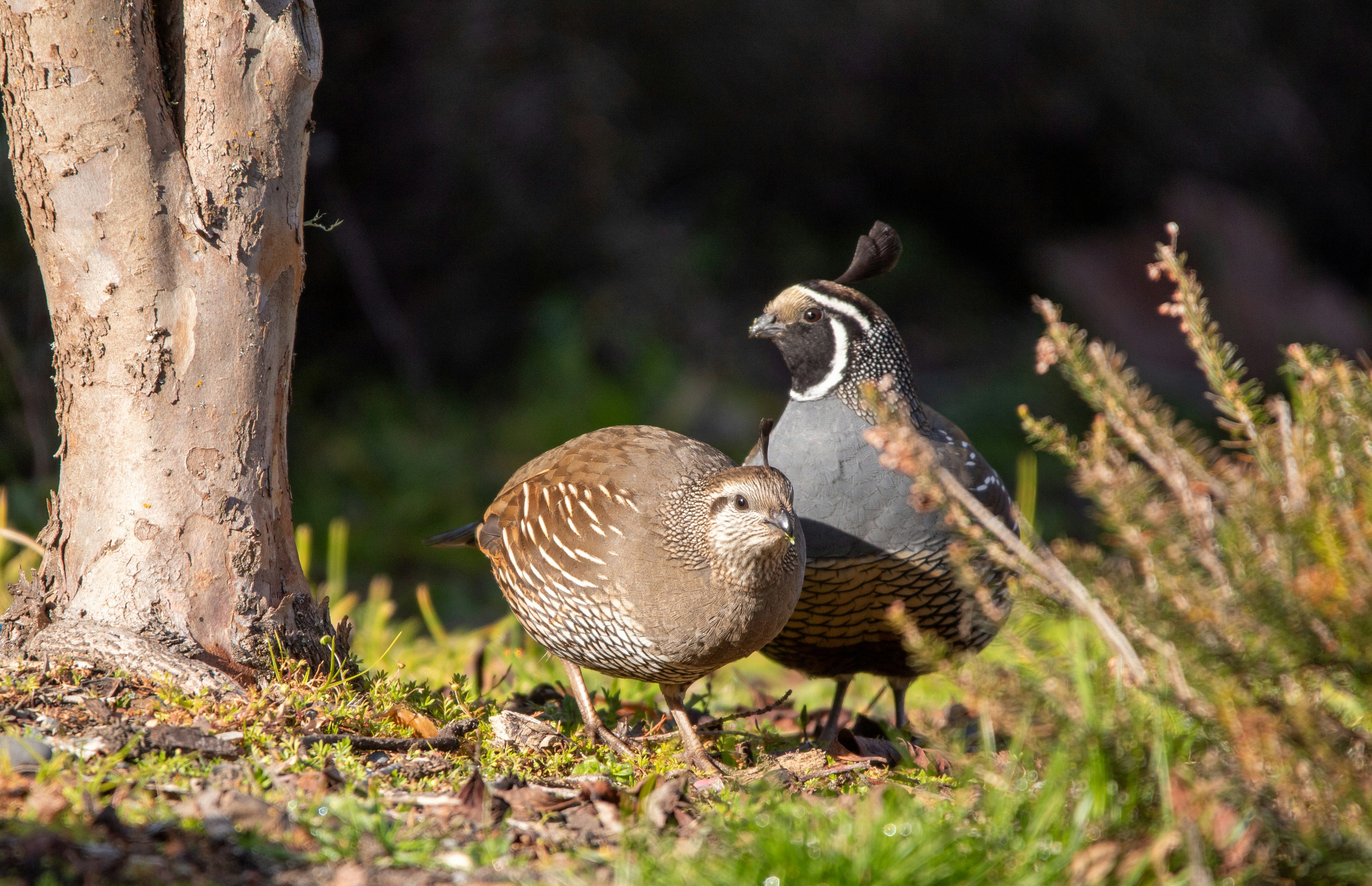
European Quail has an excellent reputation of being at once some kind of delicacy as well as a danger. Being the small game bird native to many regions of Europe, Africa, and Asia, these birds are usually consumed for their tender flesh. However, several outbreaks of European Quail flocks feeding on poisonous hellebore- containing plants have been documented to bring about the condition known to physicians as “coturnism” in humans consuming poisoned meat.

Coturnism is characterized by muscle pain, weakness, and sometimes severe kidney damage. The toxicity of these quails varies with their migratory pattern and diet because all European Quail populations are not affected. The birds mostly become toxic during their migratory season when they feed on toxic plants along their route.

Traditionally, European Quails are suspected at certain times of the year of being a cause of sickness. Currently, knowledge of coturnism guides the hunter as well as the consumer as to when it is safe to consume quail. Never one to shy from public attention, European Quails remain a crucial species in the wild and within the realm of culinary tradition.
a couple of birds standing next to a tree

Blue-capped Ifrita: The Venomous Songbird of New Guinea

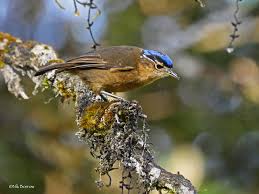
Another specimen-and probably the only one in the world-is a small bird endemic to the forests of New Guinea. While the other birds are ingesting toxins from their diet, the Blue-capped Ifrita is able to produce batrachotoxin, a powerful neurotoxin that is the same deadly chemical as poison frogs, thus paralyzing or killing predators.

The producers believe the toxin is connected with the birds’ consumption of toxic beetles, its primary source. As if this were not interesting enough, this bird does not exhibit effects of the toxin due to its potency.

On one hand, there is this bird that incorporates an excellent bright blue hood and a splatter of bright yellow feathers, which makes it a brilliant work of visual art; then again, the death-dealing defensive mechanism is something that any would-be predator has better pay attention to.

Here we have an example of the Blue-capped Ifrita that is a perfect demonstration of how nature could come up with strange ways of survival, using something like toxic defense as a manner of putting a shield on those threats that she perceives through her senses.

Read More Topics

red fire digital wallpaper
  • World’s First Stem Cell Trial Aims to Reverse Hearing Loss
  • Why Your Brain Focuses on the Negative Even When Life Is Good
  • Why Your Body Remembers Childhood Trauma Even When Your Mind Doesn’t
  • Why Epstein Barr Virus Lingers Dangerously in Some People
  • Why Do Men Tend to Have Worse Handwriting Than Women?
  • When Sperm Meets Egg, a Flash of Light Reveals Success

Hooded Pitohui: Poisonous Perch of Papua New Guinea

Another Pacific island bird is the Hooded Pitohui, which has poisonous feathers and skin. Similar to the Blue-capped Ifrita, this species contains batrachotoxin from its diet. It feeds on a number of toxic beetles. The bright orange and black plumage of the Hooded Pitohui contains warning colors that alert predators it is unsafe to consume.

Hooded Pitohui

Hooded Pitohui

Blue-capped Ifrita

Blue-capped Ifrita

This toxin is so toxic that merely touching the bird can numb human skin with an electric shock of sorts. The people of Papua New Guinea have long known that the bird was toxic and adapted in ways to handle it without its harming them. Besides, scientists are also fascinated by the Hooded Pitohui since its remarkable defence mechanism sheds more light on the evolution of chemical protection in species against environmental threats.

Though poisonous, it has a very crucial role in its environment, regulating the insect populations, and therefore contributes to biodiversity in the region.

  • Share on WhatsApp (Opens in new window) WhatsApp
  • Share on Facebook (Opens in new window) Facebook
  • Share on Reddit (Opens in new window) Reddit
  • Share on X (Opens in new window) X
  • Print (Opens in new window) Print
Shibasis Rath

Shibasis Rath

"𝓒𝓸𝓷𝓷𝓮𝓬𝓽𝓲𝓷𝓰 𝓡𝓮𝓼𝓮𝓪𝓻𝓬𝓱 𝓣𝓸 𝓡𝓮𝓪𝓵𝓲𝓽𝔂" 𝓲𝓼𝓷'𝓽 𝓙𝓾𝓼𝓽 𝓪 𝓜𝓸𝓽𝓽𝓸 - 𝓘𝓽'𝓼 𝓜𝔂 𝓜𝓲𝓼𝓼𝓲𝓸𝓷

Related Posts

Biodiversity Loss
ECOLOGY

Biodiversity Loss Could Bankrupt Nations And Wall Street Hasn’t Noticed Yet

June 5, 2026
Soprano pipistrelle (Pipistrellus pygmaeus) emerging from a tree hollow at the moment of take-off.
ECOLOGY

Human-generated electromagnetic noise has long lasting effects on light orientation in bats

June 4, 2026
woman in black jacket sitting on gray concrete wall during daytime
PSYCHOLOGY

Psychology Study Says, Why People Who Enjoy Being Alone Often Build Stronger Minds and Deeper Connections

May 21, 2026

POPULAR NEWS

Chewing gum releases thousands of microplastic particles directly into your mouth with every piece you chew

Chewing gum releases thousands of microplastic particles directly into your mouth with every piece you chew

by Shibasis Rath
May 8, 2026
0

Microplastics are turning up in places researchers never expected: deep-sea sediments, Arctic ice, and human blood. Now, a UCLA pilot...

New Studys Says Gen Z is the least sexually active young cohort in modern recorded history

New Studys Says Gen Z is the least sexually active young cohort in modern recorded history

by Shibasis Rath
January 24, 2026
0

A generation that grew up with dating apps in their pockets, pornography a tap away, and sex discussed more openly...

Yelling Isn’t Just Yelling: How a Hostile Home Rewires a Child’s Brain for Constant Alert

Yelling Isn’t Just Yelling: How a Hostile Home Rewires a Child’s Brain for Constant Alert

by Shibasis Rath
March 8, 2026
0

To a parent in the heat of the moment, a raised voice may feel like simple frustration. To a child...

a group of gen Z kids walking down a street

Is Gen Z the First Generation Less Intelligent Than Their Parents?

by Shibasis Rath
February 5, 2026
0

Gen Z intelligence decline is emerging as a serious concern among neuroscientists and education researchers. For over a century, each...

Whole Brain Emulation Achieved: Scientists Run a Fruit Fly Brain in Simulation

by Shibasis Rath
March 9, 2026
0

Scientists have copied an entire biological brain neuron by neuron and synapse by synapse and made it control a simulated...

EDITOR CHOICE‘S

  • All
  • NEWS
  • SPOTLIGHTS
Step-Synchronized Brain Stimulation Reduces Falls in Small Parkinson’s Trial

Step-Synchronized Brain Stimulation Reduces Falls in Small Parkinson’s Trial

by Staff Writer
June 16, 2026
0

Researchers have reported encouraging results from a small feasibility study testing a new form of adaptive deep brain stimulation (aDBS)...

A Father’s Touch in Infancy Can Shape a Child’s Health for Years, New Science Explains Why

A Father’s Touch in Infancy Can Shape a Child’s Health for Years, New Science Explains Why

by Staff Writer
June 9, 2026
0

A study from Penn State University has revealed something startling beneath that simplicity those early interactions carry biological consequences that...

MutExpress

South Asian Patients Have Been Left Out of Cancer Genomics for Decades & MutExpress-India Is Changing That

by Staff Writer
June 8, 2026
0

The databases that underpin modern cancer genomics have a geography problem. The gnomAD database the gold standard for allele frequency...

Biodiversity Loss

Biodiversity Loss Could Bankrupt Nations And Wall Street Hasn’t Noticed Yet

by Staff Writer
June 5, 2026
0

Every year, governments borrow trillions of dollars to function. The interest rate they pay depends almost entirely on their credit...

ADVERTISEMENT

RathBiotaClan – RBC

RathBiotaClan – Connecting Research To Reality

Your trusted source for life science news, biology research & discoveries. Covering neuroscience, genetics, ecology, and more — connecting research to reality.

About Us

Privacy Policies

Contact Us

Editorial Standard

Latest Posts

  • Step-Synchronized Brain Stimulation Reduces Falls in Small Parkinson’s Trial
  • A Father’s Touch in Infancy Can Shape a Child’s Health for Years, New Science Explains Why
  • South Asian Patients Have Been Left Out of Cancer Genomics for Decades & MutExpress-India Is Changing That
  • Biodiversity Loss Could Bankrupt Nations And Wall Street Hasn’t Noticed Yet

SHIBASIS RATH

Contact Mail

rathbiotaclan@gmail.com

No Result
View All Result
MSME (Udyam) Certified Science Platform
Govt. of India

Get Us On PlayStore

playstore app for rathbiotaclan
  • About Us
  • Advertise With Us
  • Cancellation and Refund Policy
  • Contact Us
  • Contribute
  • Editorial Standards
  • Home
  • Pricing Details
  • Privacy Policies
  • Shipping Policy
  • Terms & Conditions

© 2026 RathBiotaClan. All rights reserved.

Welcome Back!

Sign In with Google
OR

Login to your account below

Forgotten Password? Sign Up

Create New Account!

Sign Up with Google
OR

Fill the forms below to register

*By registering into our website, you agree to the Terms & Conditions and Privacy Policy.
All fields are required. Log In

Retrieve your password

Please enter your username or email address to reset your password.

Log In

Add New Playlist

No Result
View All Result
  • HOME
  • HEALTH SCIENCE
  • NEUROSCIENCE
    • PHYSIOLOGY
    • IMMUNOLOGY
    • CANCER
  • DISCOVERIES
    • SPOTLIGHTS
    • STUDENT PORTAL
    • SCIENCE FEATURED
  • MOLECULAR BIOLOGY
    • GENETICS
    • BIOTECHNOLOGY
    • BIOINFORMATICS
    • BIOCHEMISTRY
    • BIOPHYSICS
  • ZOOLOGY & ECOLOGY
    • ENVIRONMENTAL SCIENCE
    • ECOLOGY
    • EVOLUTION
  • MICRO & PLANT SCIENCE
    • MICROBIOLOGY
    • CELL BIOLOGY
    • DEVELOPMENTAL BIOLOGY
  • PSYCHOLOGY
  • Login
  • Sign Up
SAVED POSTS

© 2026 RathBiotaClan. All rights reserved.

This website uses cookies. By continuing to use this website you are giving consent to cookies being used. Visit our Privacy and Cookie Policy.