





Monday, May 4, 2026
SAVED POSTS
  • Login
  • Register
RathBiotaClan
No Result
View All Result
  • HOME
  • HEALTH SCIENCE

    TRENDING ON HEALTH (TOP)

    Dreams about loved ones can bring comfort before death

    Male G-Spot Found: New Study Identifies Frenular Delta as Penis’s Most Sensitive Area

    New Stem Cell Therapy Rebuilds Bone in Osteoporosis, Shows 30% Density Gain

    Walnut Extract May Help Control Blood Sugar Naturally, New Study Finds

    NOW ON AIR (RBC)

    Smiling Female Child Showing Success While Writing Homework In Front Of Parents
    PSYCHOLOGY

    Recent Study Indicates Constant Praise May Actually Lower a Child’s Academic Risk-Taking.

    May 3, 2026
    SLC38A4 expression was confirmed by western blot in multiple tumor cell lines. In mouse models, liver tissue imaging (H&E staining) showed that overexpression of SLC38A4 reduced metastatic tumor areas, while knockdown increased them across Hepa1-6, MC38, and B16F10 cells. Results were consistent in both immunocompetent and nude mice, with statistically significant differences.
    MOLECULAR BIOLOGY

    Scientists Find Molecule That Wipes Out Liver Cancer

    May 2, 2026
    DISCOVERIES

    Fossil Penguins From New Zealand Reveal Stages of the Birds’ Long Evolutionary History

    May 1, 2026
    Bluebuck antelope with silvery-blue coat and curved horns running across open South African grassland, representing extinct species targeted for de-extinction by scientists
    MOLECULAR BIOLOGY

    Colossal Biosciences Announces De-Extinction of Bluebuck Antelope, 226 Years After Its Extinction

    May 1, 2026
  • NEUROSCIENCE
    • PHYSIOLOGY
    • IMMUNOLOGY
    • CANCER
  • DISCOVERIES
    • SPOTLIGHTS
    • STUDENT PORTAL
    • SCIENCE FEATURED
  • MOLECULAR BIOLOGY
    • GENETICS
    • BIOTECHNOLOGY
    • BIOINFORMATICS
    • BIOCHEMISTRY
    • BIOPHYSICS
  • ZOOLOGY & ECOLOGY
    • ENVIRONMENTAL SCIENCE
    • ECOLOGY
    • EVOLUTION
  • MICRO & PLANT SCIENCE
    • MICROBIOLOGY
    • CELL BIOLOGY
    • DEVELOPMENTAL BIOLOGY
  • PSYCHOLOGY
RBC Interactive Sticky Bar
RathBiotaClan Logo
Shop Resources
Life Science Whole Spectrum Focus
24/7 Digital Access
Pro Resources For Students & Researchers
Premium Articles
Research-backed insights for the curious mind.
eBooks
Digital books covering lab protocols.
RBC Magazines
Deep dives and science innovations.
Research Guides
Methodologies and application frameworks.
Pro Notes PDF
High-yield study notes for quick review.
View All Resources
Browse the complete digital library.
RathBiotaClan Seal

Connecting Research to Reality

Science is our safest secret. Explore the life science spectrum with insights for the curious mind.

RathBiotaClan
No Result
View All Result
Home HEALTH SCIENCE

How Tetanus Invades The Body

Shibasis Rath by Shibasis Rath
December 2, 2025
in HEALTH SCIENCE, MICROBIOLOGY, SCIENCE FEATURED
Reading Time: 6 mins read
0
A A
0
person holding white ballpoint pen

Tetanus is a severe and potentially life-threatening condition caused by the bacterium Clostridium tetani. These bacteria produce spores that are highly resistant to environmental factors and are prevalent in many places, particularly in soil, dust, and animal feces. Tetanus occurs when these spores enter the body, usually through a wound or cut, where they release a toxin that affects the nervous system, leading to muscle stiffness and spasms.

The Pathway of Infection

When the skin is punctured, torn, or otherwise compromised, Clostridium tetani spores can enter the wound. Common sources include rusty nails, needles, splinters, or any object contaminated with soil or dust.

Once inside the body, these spores can become active bacteria under anaerobic (oxygen-poor) conditions, typically found in deep puncture wounds or areas with significant tissue damage.

Susceptible Populations

While anyone can contract tetanus, certain groups are at higher risk.

ADVERTISEMENT

These include individuals who have not been vaccinated, newborns in areas with low immunization rates, and people with inadequate wound care practices.

READ ALSO

Researchers Identify a Hidden Memory Risk Hiding in Plain Sight for Older Adults

Dreams about loved ones can bring comfort before death

Pregnant women and those who have recently given birth are also at risk, particularly in regions where maternal and neonatal tetanus remain public health concerns.

ADVERTISEMENT

Global Health Concern

Tetanus continues to pose a significant health challenge, particularly in low-income countries where immunisation coverage is limited and birth practices may be unhygienic. For instance, neonatal tetanus can occur when the umbilical cord is cut with unsterile instruments, or when contaminated substances are applied to the stump.

As of 2018, neonatal tetanus caused around 25,000 deaths globally, a stark improvement from previous decades, but still a considerable concern.

Symptoms and Diagnosis

Tetanus typically presents within 3 to 21 days after exposure, with most cases occurring within 14 days. The initial symptoms are often subtle, including jaw cramping and muscle stiffness, particularly around the wound site. As the infection progresses, more severe symptoms develop, such as:

ADVERTISEMENT

– Muscle spasms in the back, abdomen, and extremities

– Difficulty swallowing

– Sudden, painful muscle contractions triggered by external stimuli

– Fever and sweating

– Changes in blood pressure and heart rate

In newborns, early signs of tetanus may include an inability to suck or breastfeed, excessive crying, and muscle spasms. If untreated, these symptoms can lead to severe complications, including respiratory failure and death.

Types of Tetanus

Tetanus can be classified into four main types based on the area of the body affected:

1. Generalised Tetanus

This is the most common form, affecting the entire body.

Symptoms include muscle stiffness and spasms, often beginning in the jaw (lockjaw) and then spreading to the rest of the body.

2. Localised Tetanus

This form is restricted to the muscles near the site of infection and is generally less severe.

However, it can progress to generalised tetanus if not treated.

3. Cephalic Tetanus

A rare form that occurs following head injuries or infections like otitis media.

It primarily affects the cranial nerves, leading to symptoms such as facial muscle spasms and palsies.

4. Neonatal Tetanus

A severe form affecting newborns, often due to unsanitary birth practices. This type has a very poor prognosis if not treated promptly.

Treatment and Prevention

The treatment of tetanus focuses on neutralising the toxin, controlling muscle spasms, and supporting the respiratory system.

Important interventions include:

– Wound Care: Proper cleaning of the wound is essential to remove any debris or foreign material that might harbour bacteria.

Dead tissue should also be removed to prevent bacterial growth.

– Antitoxin Therapy: Tetanus immune globulin (TIG) is administered to neutralize toxins that haven’t yet reached the nervous system. T

his is a critical early intervention.

– Vaccination: Tetanus can be effectively prevented through vaccination.

In cases where tetanus is suspected, a booster dose may be given to bolster the immune response.

– Antibiotics: These may be prescribed to kill the bacteria that produce the toxin, helping to prevent the spread of infection.

– Supportive Medications: Muscle relaxants and sedatives can help manage muscle spasms, while other medications might be used to stabilize heart rate and blood pressure.

Conclusion

Tetanus remains a significant but preventable disease.

Understanding how it enters the body, recognizing the symptoms, and knowing the appropriate treatment options are crucial steps in combating this deadly infection. Immunization is the most effective way to prevent tetanus, and maintaining proper wound care practices can significantly reduce the risk of infection.

Despite advancements in healthcare, tetanus continues to be a global health issue, particularly in regions with limited access to vaccines and healthcare services.


Stay tuned for more captivating insights and News. Visit our Blogs and Follow Us on social media to never miss an update. Together, let’s unravel the mysteries of the natural world.


  • Share on WhatsApp (Opens in new window) WhatsApp
  • Share on Facebook (Opens in new window) Facebook
  • Share on Reddit (Opens in new window) Reddit
  • Share on X (Opens in new window) X
  • Print (Opens in new window) Print

Did you like this read? Turn on notifications so we can let you know the second a new post goes live.

Turn off Alerts
Shibasis Rath

Shibasis Rath

"𝓒𝓸𝓷𝓷𝓮𝓬𝓽𝓲𝓷𝓰 𝓡𝓮𝓼𝓮𝓪𝓻𝓬𝓱 𝓣𝓸 𝓡𝓮𝓪𝓵𝓲𝓽𝔂" 𝓲𝓼𝓷'𝓽 𝓙𝓾𝓼𝓽 𝓪 𝓜𝓸𝓽𝓽𝓸 - 𝓘𝓽'𝓼 𝓜𝔂 𝓜𝓲𝓼𝓼𝓲𝓸𝓷

Related Posts

Group of seniors walking down a city street.
NEUROSCIENCE

Researchers Identify a Hidden Memory Risk Hiding in Plain Sight for Older Adults

April 30, 2026
end-of-life dreams
HEALTH SCIENCE

Dreams about loved ones can bring comfort before death

April 28, 2026
Strict Parenting Linked to Increased Deceptive Behavior in Children, Study Suggests.
PSYCHOLOGY

Strict Parenting Linked to Increased Deceptive Behavior in Children, Study Suggests.

April 25, 2026

POPULAR NEWS

Yelling Isn’t Just Yelling: How a Hostile Home Rewires a Child’s Brain for Constant Alert

Yelling Isn’t Just Yelling: How a Hostile Home Rewires a Child’s Brain for Constant Alert

by Shibasis Rath
March 9, 2026
0

To a parent in the heat of the moment, a raised voice may feel like simple frustration. To a child...

a group of gen Z kids walking down a street

Is Gen Z the First Generation Less Intelligent Than Their Parents?

by Shibasis Rath
March 14, 2026
0

Gen Z intelligence decline is emerging as a serious concern among neuroscientists and education researchers. For over a century, each...

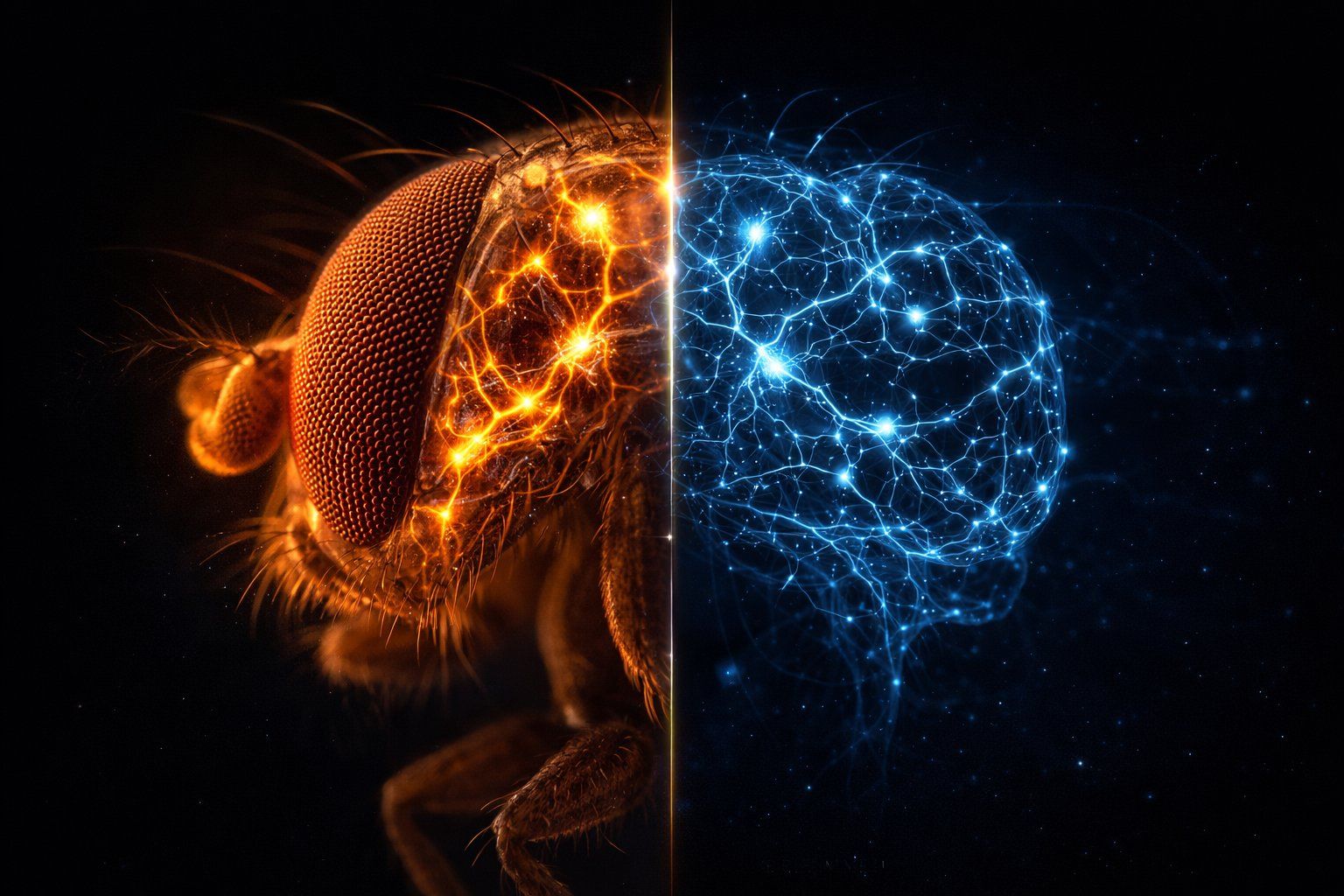
Whole Brain Emulation Achieved: Scientists Run a Fruit Fly Brain in Simulation

by Shibasis Rath
March 9, 2026
0

Scientists have copied an entire biological brain neuron by neuron and synapse by synapse and made it control a simulated...

Male G-spot isn’t where we thought it was

Male G-Spot Found: New Study Identifies Frenular Delta as Penis’s Most Sensitive Area

by Staff Writer
April 27, 2026
0

The study found that human penile innervation develops in distinct fetal stages and shows region-specific patterns in adults, with the...

person holding white ballpoint pen

How Tetanus Invades The Body

by Shibasis Rath
December 2, 2025
0

Tetanus is a severe and potentially life-threatening condition caused by the bacterium Clostridium tetani. These bacteria produce spores that are...

EDITOR CHOICE‘S

  • All
  • NEWS
  • SPOTLIGHTS
Recent Study Indicates Constant Praise May Actually Lower a Child’s Academic Risk-Taking.

Recent Study Indicates Constant Praise May Actually Lower a Child’s Academic Risk-Taking.

by Staff Writer
May 3, 2026
0

Recent studies on types of praise and children's academic motivation show that constantly praising a child's fixed traits, such as their intelligence...

SLC38A4 expression was confirmed by western blot in multiple tumor cell lines. In mouse models, liver tissue imaging (H&E staining) showed that overexpression of SLC38A4 reduced metastatic tumor areas, while knockdown increased them across Hepa1-6, MC38, and B16F10 cells. Results were consistent in both immunocompetent and nude mice, with statistically significant differences.

Scientists Find Molecule That Wipes Out Liver Cancer

by Shibasis Rath
May 2, 2026
0

Researchers investigated this question because metastasis causes most cancer deaths, and the liver is a frequent site of spread for...

Fossil Penguins From New Zealand Reveal Stages of the Birds’ Long Evolutionary History

Fossil Penguins From New Zealand Reveal Stages of the Birds’ Long Evolutionary History

by Shibasis Rath
May 1, 2026
0

The discovery of four new species of fossil penguins in New Zealand in 2025 sheds light on the long evolutionary...

Bluebuck antelope with silvery-blue coat and curved horns running across open South African grassland, representing extinct species targeted for de-extinction by scientists

Colossal Biosciences Announces De-Extinction of Bluebuck Antelope, 226 Years After Its Extinction

by Staff Writer
May 1, 2026
0

It has been 226 years since humans last saw a living bluebuck, an elegant antelope species native to South Africa...

ADVERTISEMENT

RathBiotaClan – RBC

RathBiotaClan – Connecting Research To Reality

Your trusted source for life science news, biology research & discoveries. Covering neuroscience, genetics, ecology, and more — connecting research to reality.

Privacy Policies

Shipping Policy

Cancellation & Refund Policy

Pricing Details

Contact Us

Latest Posts

  • Recent Study Indicates Constant Praise May Actually Lower a Child’s Academic Risk-Taking.
  • Scientists Find Molecule That Wipes Out Liver Cancer
  • Fossil Penguins From New Zealand Reveal Stages of the Birds’ Long Evolutionary History
  • Colossal Biosciences Announces De-Extinction of Bluebuck Antelope, 226 Years After Its Extinction

SHIBASIS RATH

Contact Mail

rathbiotaclan@gmail.com

No Result
View All Result
MSME (Udyam) Certified Science Platform
Govt. of India

Get Us On PlayStore

playstore app for rathbiotaclan
  • About Us
  • Advertise With Us
  • Cancellation and Refund Policy
  • Contact Us
  • Contribute
  • Editorial Standards
  • Home
  • Pricing Details
  • Privacy Policies
  • Shipping Policy
  • Terms & Conditions

© 2026 RathBiotaClan. All rights reserved.

Welcome Back!

Sign In with Google
OR

Login to your account below

Forgotten Password? Sign Up

Create New Account!

Sign Up with Google
OR

Fill the forms below to register

*By registering into our website, you agree to the Terms & Conditions and Privacy Policy.
All fields are required. Log In

Retrieve your password

Please enter your username or email address to reset your password.

Log In
No Result
View All Result
  • HOME
  • HEALTH SCIENCE
  • NEUROSCIENCE
    • PHYSIOLOGY
    • IMMUNOLOGY
    • CANCER
  • DISCOVERIES
    • SPOTLIGHTS
    • STUDENT PORTAL
    • SCIENCE FEATURED
  • MOLECULAR BIOLOGY
    • GENETICS
    • BIOTECHNOLOGY
    • BIOINFORMATICS
    • BIOCHEMISTRY
    • BIOPHYSICS
  • ZOOLOGY & ECOLOGY
    • ENVIRONMENTAL SCIENCE
    • ECOLOGY
    • EVOLUTION
  • MICRO & PLANT SCIENCE
    • MICROBIOLOGY
    • CELL BIOLOGY
    • DEVELOPMENTAL BIOLOGY
  • PSYCHOLOGY
  • Login
  • Sign Up
SAVED POSTS

© 2026 RathBiotaClan. All rights reserved.

This website uses cookies. By continuing to use this website you are giving consent to cookies being used. Visit our Privacy and Cookie Policy.
Are you sure want to unlock this post?
Unlock left : 0
Are you sure want to cancel subscription?