




Saturday, May 2, 2026
SAVED POSTS
  • Login
  • Register
RathBiotaClan
No Result
View All Result
  • HOME
  • HEALTH SCIENCE
    • NEUROSCIENCE
    • PHYSIOLOGY
    • IMMUNOLOGY
    • CANCER
  • DISCOVERIES
    • SPOTLIGHTS
    • STUDENT PORTAL
    • SCIENCE FEATURED
  • MOLECULAR BIOLOGY
    • GENETICS
    • BIOTECHNOLOGY
    • BIOINFORMATICS
    • BIOCHEMISTRY
    • BIOPHYSICS
  • ZOOLOGY & ECOLOGY
    • ENVIRONMENTAL SCIENCE
    • ECOLOGY
    • EVOLUTION
  • MICRO & PLANT SCIENCE
    • MICROBIOLOGY
    • CELL BIOLOGY
    • DEVELOPMENTAL BIOLOGY
  • PSYCHOLOGY
  • E STORE
No Result
View All Result
RathBiotaClan
No Result
View All Result
Home CANCER

Revolutionary Immunotherapy for Lung Cancer Treatment

Shibasis Rath by Shibasis Rath
January 26, 2026
in CANCER, NEWS
Reading Time: 6 mins read
0
A A
0
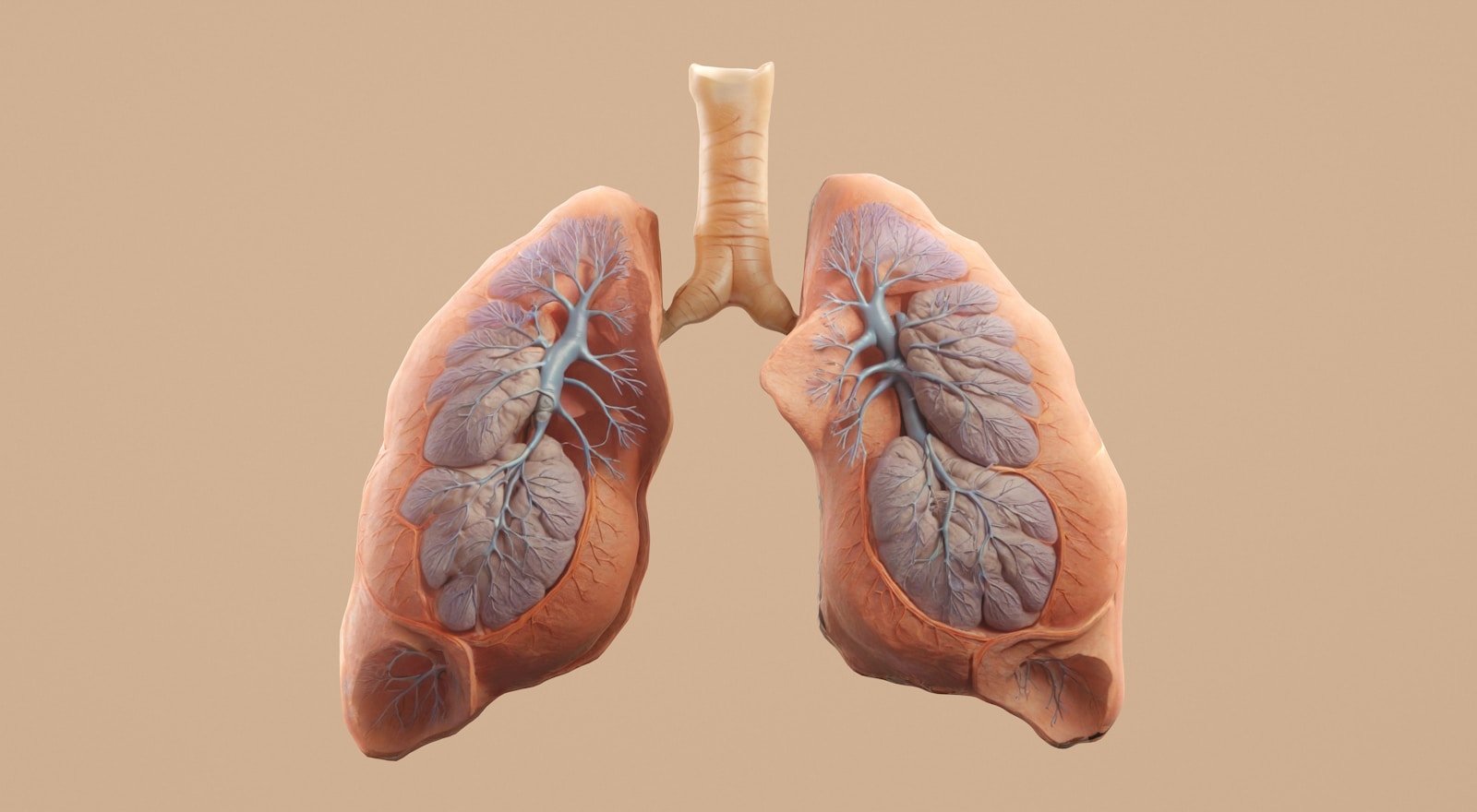
Here's a caption for the image: human lungs with trachea shown.

Recently, the treatment of lung cancer has been revolutionized by the use of immune checkpoint inhibitors, drugs that allow the body’s immune system to “see” the cancer cells and destroy them. These drugs block certain “checkpoint” proteins that cancer cells use to evade the immune system. There are two main classes of checkpoint proteins targeted in lung cancer therapy: PD-1/PD-L1 and CTLA-4, each playing distinct roles in immunoregulation.

  • Immune checkpoint inhibitors enhance immune response against cancer.
  • PD-1/PD-L1 and CTLA-4 are critical targets in therapy.
  • Monitoring side effects is essential for patient safety.

PD-1/PD-L1 Inhibitors

PD-1 (Programmed Death-1) is an immune checkpoint protein that is expressed on T cells and plays a crucial role in regulating the immune response by inhibiting T cell activation, thus preventing autoimmune reactions. PD-L1 (Programmed Death-Ligand 1) is a protein that cancer cells sometimes express to “turn off” T cells and avoid an immune response.

PD-1/PD-L1 inhibitors block these proteins, essentially “turning the immune system back on” to fight the cancer.

Notable Drugs and Their Mechanisms

These drugs specifically target PD-1 on T cells. By inhibiting PD-1, they remove the brakes from the immune system, enabling T cells to recognize and destroy lung cancer cells, especially in non-small cell lung cancer (NSCLC).

READ ALSO

Scientists Find Molecule That Wipes Out Liver Cancer

Colossal Biosciences Announces De-Extinction of Bluebuck Antelope, 226 Years After Its Extinction

ADVERTISEMENT
  • Atezolizumab (Tecentriq) and Durvalumab (Imfinzi): These drugs work on PD-L1 expressing tumor and immune cells. Blocking PD-L1 enhances immune response, allowing T cells to attack cancer cells. Atezolizumab is available as IV infusion or a subcutaneous injection (Tecentriq Hybreza), usually given every 3 weeks.

Applications in Treatment

PD-1/PD-L1 inhibitors are used at various stages of NSCLC treatment. PD-L1 expression and genetic mutations help decide whether to use them alone or with chemotherapy or CTLA-4 inhibitors, especially in advanced or metastatic cases. These drugs are typically administered via IV infusion every 2–3 weeks.

Potential Side Effects

Common Side Effects: Fatigue, cough, nausea, skin rash, joint pain, anorexia, constipation, diarrhea.

ADVERTISEMENT

Serious Reactions: Infusion reactions (fever, chills, dizziness, rash, difficulty breathing).

Autoimmune Side Effects: These drugs can cause the immune system to attack healthy organs (lungs, liver, intestines, etc.). Any symptoms must be reported immediately. Treatment may include corticosteroids or therapy discontinuation.

CTLA-4 Inhibitors

CTLA-4 (Cytotoxic T-Lymphocyte Antigen 4) regulates T-cell activity. CTLA-4 inhibitors boost immune response by blocking this protein and are usually used alongside PD-1 inhibitors in NSCLC.

ADVERTISEMENT

Notable Drugs and Their Mechanisms

  • Ipilimumab (Yervoy) and Tremelimumab (Imjudo): These inhibit CTLA-4 to strengthen immune response. They’re often combined with PD-1 inhibitors (ipilimumab + nivolumab, tremelimumab + durvalumab) and sometimes with chemotherapy. Administered via IV infusion every 3–6 weeks.

Applications in Treatment

Used in advanced NSCLC cases, these combinations offer a more comprehensive checkpoint blockade, increasing treatment efficacy.

Potential Side Effects

Common: Fatigue, diarrhea, rash, itching, abdominal pain.

Serious: Infusion reactions (fever, chills, dizziness, rash, wheezing).

Autoimmune: Can cause severe inflammatory or autoimmune conditions affecting liver, intestines, endocrine glands, nervous system, eyes, or skin.

The Importance of Side Effect Management

While immune checkpoint inhibitors are powerful, managing their side effects is essential. Early detection and treatment of immune-related side effects (often with corticosteroids) can prevent severe complications. Patients must report new symptoms immediately.

Future Directions for Checkpoint Inhibitors

Research continues to refine immune checkpoint therapies. Clinical trials are exploring combinations, sequencing, and biomarkers to improve personalized treatment. Immunotherapy is the forefront of lung cancer care, offering hope for longer and healthier lives.


Resource Overview: Immune Checkpoint Inhibitors for Lung Cancer

Revolutionary Immunotherapy Breakthrough for Lung Cancer Treatment

Immune checkpoint inhibitors help the immune system attack cancer by blocking evasion proteins on tumor cells.
🔗 Read More – National Cancer Institute

PD-1/PD-L1 Inhibitors in Lung Cancer Treatment

PD-1/PD-L1 inhibitors block immune checkpoints used by cancer cells to avoid destruction.
🔗 ASCO Resource
🔗 NCI Resource

CTLA-4 Inhibitors in Lung Cancer Treatment

CTLA-4 inhibitors boost immune response and are used with PD-1 inhibitors for enhanced results.
🔗 Read More – ASCO

Immunotherapy for Non-Small Cell Lung Cancer (NSCLC)

Checkpoint inhibitors are especially effective in treating NSCLC.
🔗 NCI on NSCLC Immunotherapy

Side Effects of Checkpoint Inhibitors

Checkpoint inhibitors may cause immune-related or infusion side effects.
🔗 NCI Side Effect Info

Advancements in Lung Cancer Immunotherapy

Ongoing advancements and clinical trials aim to improve outcomes with checkpoint inhibitors.
🔗 Explore Research – ASCO

Atezolizumab and Durvalumab in Lung Cancer

These PD-L1 inhibitors are widely used in lung cancer therapy.
🔗 Details at NCI

Combination Immunotherapy for NSCLC

Combining checkpoint inhibitors enhances treatment response in advanced NSCLC cases.
🔗 Read More – NCI

Checkpoint Inhibitors Side Effect Management

Effective side effect monitoring is vital for safe immunotherapy.
🔗 Management Guide – NCI
🔗 ASCO Info

Future of Immunotherapy in Lung Cancer Treatment

The future is bright with emerging research and personalized strategies for lung cancer immunotherapy.
🔗 Stay Informed – ASCO


  • Share on WhatsApp (Opens in new window) WhatsApp
  • Share on Facebook (Opens in new window) Facebook
  • Share on Reddit (Opens in new window) Reddit
  • Share on X (Opens in new window) X
  • Print (Opens in new window) Print

Did you like this read? Turn on notifications so we can let you know the second a new post goes live.

Turn off Alerts
Shibasis Rath

Shibasis Rath

"𝓒𝓸𝓷𝓷𝓮𝓬𝓽𝓲𝓷𝓰 𝓡𝓮𝓼𝓮𝓪𝓻𝓬𝓱 𝓣𝓸 𝓡𝓮𝓪𝓵𝓲𝓽𝔂" 𝓲𝓼𝓷'𝓽 𝓙𝓾𝓼𝓽 𝓪 𝓜𝓸𝓽𝓽𝓸 - 𝓘𝓽'𝓼 𝓜𝔂 𝓜𝓲𝓼𝓼𝓲𝓸𝓷

Related Posts

SLC38A4 expression was confirmed by western blot in multiple tumor cell lines. In mouse models, liver tissue imaging (H&E staining) showed that overexpression of SLC38A4 reduced metastatic tumor areas, while knockdown increased them across Hepa1-6, MC38, and B16F10 cells. Results were consistent in both immunocompetent and nude mice, with statistically significant differences.
MOLECULAR BIOLOGY

Scientists Find Molecule That Wipes Out Liver Cancer

May 1, 2026
Bluebuck antelope with silvery-blue coat and curved horns running across open South African grassland, representing extinct species targeted for de-extinction by scientists
MOLECULAR BIOLOGY

Colossal Biosciences Announces De-Extinction of Bluebuck Antelope, 226 Years After Its Extinction

May 1, 2026
Rare Peacock Tarantula Image
NEWS

Critically Endangered Blue Tarantula Surveyed in India’s Largest Tiger Reserve

April 30, 2026

POPULAR NEWS

Yelling Isn’t Just Yelling: How a Hostile Home Rewires a Child’s Brain for Constant Alert

Yelling Isn’t Just Yelling: How a Hostile Home Rewires a Child’s Brain for Constant Alert

by Shibasis Rath
March 9, 2026
0

To a parent in the heat of the moment, a raised voice may feel like simple frustration. To a child...

a group of gen Z kids walking down a street

Is Gen Z the First Generation Less Intelligent Than Their Parents?

by Shibasis Rath
March 14, 2026
0

Gen Z intelligence decline is emerging as a serious concern among neuroscientists and education researchers. For over a century, each...

Whole Brain Emulation Achieved: Scientists Run a Fruit Fly Brain in Simulation

by Shibasis Rath
March 9, 2026
0

Scientists have copied an entire biological brain neuron by neuron and synapse by synapse and made it control a simulated...

Male G-spot isn’t where we thought it was

Male G-Spot Found: New Study Identifies Frenular Delta as Penis’s Most Sensitive Area

by Staff Writer
April 27, 2026
0

The study found that human penile innervation develops in distinct fetal stages and shows region-specific patterns in adults, with the...

Here's a caption for the image: human lungs with trachea shown.

Revolutionary Immunotherapy for Lung Cancer Treatment

by Shibasis Rath
January 26, 2026
0

Recently, the treatment of lung cancer has been revolutionized by the use of immune checkpoint inhibitors, drugs that allow the...

EDITOR CHOICE‘S

  • All
  • NEWS
  • SPOTLIGHTS
SLC38A4 expression was confirmed by western blot in multiple tumor cell lines. In mouse models, liver tissue imaging (H&E staining) showed that overexpression of SLC38A4 reduced metastatic tumor areas, while knockdown increased them across Hepa1-6, MC38, and B16F10 cells. Results were consistent in both immunocompetent and nude mice, with statistically significant differences.

Scientists Find Molecule That Wipes Out Liver Cancer

by Shibasis Rath
May 1, 2026
0

Researchers investigated this question because metastasis causes most cancer deaths, and the liver is a frequent site of spread for...

Fossil Penguins From New Zealand Reveal Stages of the Birds’ Long Evolutionary History

Fossil Penguins From New Zealand Reveal Stages of the Birds’ Long Evolutionary History

by Shibasis Rath
May 1, 2026
0

The discovery of four new species of fossil penguins in New Zealand in 2025 sheds light on the long evolutionary...

Bluebuck antelope with silvery-blue coat and curved horns running across open South African grassland, representing extinct species targeted for de-extinction by scientists

Colossal Biosciences Announces De-Extinction of Bluebuck Antelope, 226 Years After Its Extinction

by Staff Writer
May 1, 2026
0

It has been 226 years since humans last saw a living bluebuck, an elegant antelope species native to South Africa...

Group of seniors walking down a city street.

Researchers Identify a Hidden Memory Risk Hiding in Plain Sight for Older Adults

by Shibasis Rath
April 30, 2026
0

More and more research suggests that psychological and behavioral factors can play a role in cognitive decline as people get...

ADVERTISEMENT

RathBiotaClan – RBC

RathBiotaClan – Connecting Research To Reality

Your trusted source for life science news, biology research & discoveries. Covering neuroscience, genetics, ecology, and more — connecting research to reality.

Privacy Policies

Shipping Policy

Cancellation & Refund Policy

Pricing Details

Contact Us

Latest Posts

  • Scientists Find Molecule That Wipes Out Liver Cancer
  • Fossil Penguins From New Zealand Reveal Stages of the Birds’ Long Evolutionary History
  • Colossal Biosciences Announces De-Extinction of Bluebuck Antelope, 226 Years After Its Extinction
  • Researchers Identify a Hidden Memory Risk Hiding in Plain Sight for Older Adults

SHIBASIS RATH

Contact Mail

rathbiotaclan@gmail.com

No Result
View All Result
MSME (Udyam) Certified Science Platform
Govt. of India

Get Us On PlayStore

playstore app for rathbiotaclan
  • About Us
  • Advertise With Us
  • Cancellation and Refund Policy
  • Contact Us
  • Contribute
  • Editorial Standards
  • Home
  • Pricing Details
  • Privacy Policies
  • Shipping Policy
  • Terms & Conditions

© 2026 RathBiotaClan. All rights reserved.

Welcome Back!

Sign In with Google
OR

Login to your account below

Forgotten Password? Sign Up

Create New Account!

Sign Up with Google
OR

Fill the forms below to register

*By registering into our website, you agree to the Terms & Conditions and Privacy Policy.
All fields are required. Log In

Retrieve your password

Please enter your username or email address to reset your password.

Log In
No Result
View All Result
  • HOME
  • HEALTH SCIENCE
    • NEUROSCIENCE
    • PHYSIOLOGY
    • IMMUNOLOGY
    • CANCER
  • DISCOVERIES
    • SPOTLIGHTS
    • STUDENT PORTAL
    • SCIENCE FEATURED
  • MOLECULAR BIOLOGY
    • GENETICS
    • BIOTECHNOLOGY
    • BIOINFORMATICS
    • BIOCHEMISTRY
    • BIOPHYSICS
  • ZOOLOGY & ECOLOGY
    • ENVIRONMENTAL SCIENCE
    • ECOLOGY
    • EVOLUTION
  • MICRO & PLANT SCIENCE
    • MICROBIOLOGY
    • CELL BIOLOGY
    • DEVELOPMENTAL BIOLOGY
  • PSYCHOLOGY
  • E STORE
  • Login
  • Sign Up
  • Cart
SAVED POSTS

© 2026 RathBiotaClan. All rights reserved.

This website uses cookies. By continuing to use this website you are giving consent to cookies being used. Visit our Privacy and Cookie Policy.
Are you sure want to unlock this post?
Unlock left : 0
Are you sure want to cancel subscription?