




Wednesday, May 6, 2026
SAVED POSTS
  • Login
  • Register
RathBiotaClan
No Result
View All Result
  • HOME
  • HEALTH SCIENCE

    TRENDING ON HEALTH (TOP)

    Trauma Shrinks the Brain But Science Shows Exercise Can Rebuild It from the Inside Out

    Dreams about loved ones can bring comfort before death

    Male G-Spot Found: New Study Identifies Frenular Delta as Penis’s Most Sensitive Area

    New Stem Cell Therapy Rebuilds Bone in Osteoporosis, Shows 30% Density Gain

    NOW ON AIR (RBC)

    SCIENCE FEATURED

    Low Sexual Frequency Linked to Worse Cardiovascular Outcomes, Two US Studies Find

    May 5, 2026
    NEWS

    Global Sperm Counts Have Dropped 50% in 50 Years Now 128 Men Are Racing Their Way to a $100,000 Prize to Prove the Point

    May 5, 2026
    a person sitting on a bench on a sidewalk
    HEALTH SCIENCE

    Trauma Shrinks the Brain But Science Shows Exercise Can Rebuild It from the Inside Out

    May 5, 2026
    Functional Lab-Grown Esophagus Successfully Implanted in Growing Pigs
    BIOTECHNOLOGY

    Functional Lab-Grown Esophagus Successfully Implanted in Growing Pigs

    May 4, 2026
  • NEUROSCIENCE
    • PHYSIOLOGY
    • IMMUNOLOGY
    • CANCER
  • DISCOVERIES
    • SPOTLIGHTS
    • STUDENT PORTAL
    • SCIENCE FEATURED
  • MOLECULAR BIOLOGY
    • GENETICS
    • BIOTECHNOLOGY
    • BIOINFORMATICS
    • BIOCHEMISTRY
    • BIOPHYSICS
  • ZOOLOGY & ECOLOGY
    • ENVIRONMENTAL SCIENCE
    • ECOLOGY
    • EVOLUTION
  • MICRO & PLANT SCIENCE
    • MICROBIOLOGY
    • CELL BIOLOGY
    • DEVELOPMENTAL BIOLOGY
  • PSYCHOLOGY
RBC Interactive Sticky Bar
RathBiotaClan Logo
Shop Resources
Life Science Whole Spectrum Focus
24/7 Digital Access
Pro Resources For Students & Researchers
Premium Articles
Research-backed insights for the curious mind.
eBooks
Digital books covering lab protocols.
RBC Magazines
Deep dives and science innovations.
Research Guides
Methodologies and application frameworks.
Pro Notes PDF
High-yield study notes for quick review.
View All Resources
Browse the complete digital library.
RathBiotaClan Seal

Connecting Research to Reality

Science is our safest secret. Explore the life science spectrum with insights for the curious mind.

RathBiotaClan
No Result
View All Result
Home HEALTH SCIENCE

Insomnia Linked to 1 in 8 Dementia Cases Improve Sleep to Cut Risk

Shibasis Rath by Shibasis Rath
February 4, 2026
in HEALTH SCIENCE, NEUROSCIENCE, NEWS
Reading Time: 5 mins read
0
A A
0
a man holds his head while sitting on a sofa

Could a good night’s sleep be one of our best defenses against dementia?

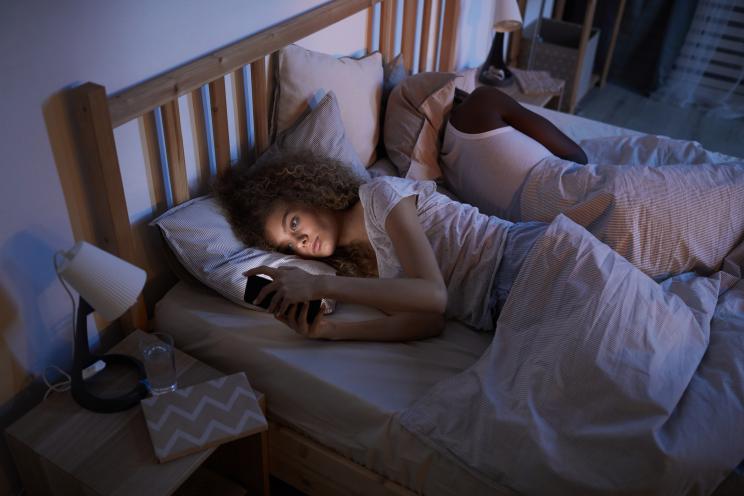
For millions of older adults who spend their nights tossing and turning, struggling to fall asleep or stay asleep, insomnia often feels like nothing more than an exhausting inconvenience. But new research into the link between sleep and dementia suggests these nighttime struggles may be far more serious than previously thought.

According to a study published in the Journals of Gerontology: Series A, nearly one in eight dementia cases in the United States could be linked to insomnia. That translates to roughly 500,000 people whose cognitive decline might be connected to chronic sleep problems a number that rivals the impact of hearing loss, already recognized as a major modifiable risk factor for dementia.

“We were pretty surprised at the magnitude of the effect,” says Yuqian Lin, a data analyst at Massachusetts General Hospital who led the study.

A Hidden Connection Emerges

The researchers analyzed data from nearly 6,000 Americans aged 65 and older enrolled in the National Health and Aging Trends Study. This long-running survey tracks the health and aging of older adults over time. Participants reported difficulties with falling asleep, staying asleep, or both. Researchers then tracked who developed dementia using cognitive assessments and reports from family members.

ADVERTISEMENT

The team combined these findings with data from large-scale reviews of earlier studies. This approach allowed them to estimate how much insomnia may contribute to dementia cases at the population level. Their conclusion: approximately 12 percent of dementia cases could potentially be attributed to sleep disturbances.

READ ALSO

Global Sperm Counts Have Dropped 50% in 50 Years Now 128 Men Are Racing Their Way to a $100,000 Prize to Prove the Point

Trauma Shrinks the Brain But Science Shows Exercise Can Rebuild It from the Inside Out

This places insomnia alongside other well-known risk factors like high blood pressure and hearing loss conditions that, crucially, can be treated or managed, offering hope that some dementia cases might be preventable.

ADVERTISEMENT

Not Everyone Faces Equal Risk

The study revealed important patterns in who might be most vulnerable to insomnia-related cognitive decline. The connection between poor sleep and dementia appeared strongest in people in their late 60s and early 70s, suggesting this might be a critical window for intervention. Women also showed a slightly higher proportion of dementia cases tied to insomnia compared to men.

These findings point to a potential strategy: targeting sleep health in specific age groups could yield the greatest benefits in reducing future dementia cases.

The Chicken-or-Egg Question

While the statistical link is compelling, the relationship between sleep and dementia is far from simple. Scientists face a classic causality puzzle: Does poor sleep damage the brain and lead to dementia, or is insomnia an early warning sign of neurodegeneration that’s already underway?

ADVERTISEMENT

“There’s a two-way relationship between sleep and neurodegeneration,” explains Kristen Knutson, a sleep researcher at Northwestern University Feinberg School of Medicine who wasn’t involved in the study.

On one hand, biological mechanisms suggest sleep disturbances could directly harm brain health. During sleep, the brain clears out metabolic waste products, including proteins linked to Alzheimer’s disease. When sleep is disrupted, this crucial cleaning process may be impaired. Poor sleep also triggers inflammation and cardiovascular changes that could damage brain tissue over time.

On the other hand, the earliest stages of dementia may disrupt the brain’s sleep–wake systems. This disruption could trigger insomnia years before memory problems become obvious. In that case, treating insomnia would not prevent dementia. It would instead address a symptom of a disease already underway.

Lin emphasizes that her study identifies insomnia’s contribution at the population level. It does not show that insomnia directly causes dementia in any single individual. This distinction is crucial for interpreting the findings and deciding how to act on them.

Why This Matters Now

Regardless of which direction the causality runs or whether it flows both way experts agree that the connection between sleep and brain health demands attention.

“I think we need to recognize the importance of sleep disturbance for brain health,” Knutson emphasizes. Sleep problems aren’t “just a nuisance,” but a vital sign of overall health that deserves serious medical attention.

As the global population ages, dementia cases are expected to rise sharply in the coming decades. Identifying modifiable risk factors has therefore become a major public health priority. Even preventing or delaying a fraction of dementia cases could have a profound impact. It would reduce human suffering and ease the growing burden on healthcare systems and caregivers.

The findings suggest that sleep health deserves closer attention, particularly during the late 60s and early 70s. This period may represent a critical window for dementia prevention. For millions of older adults living with insomnia, seeking treatment may offer benefits beyond better sleep. It could be a meaningful investment in long-term brain health.


References

[1] Lin, Y., et al. (2024). “Population Attributable Fraction of Insomnia for Dementia in the United States.” Journals of Gerontology

[2] Original interview quotes with Yuqian Lin, Massachusetts General Hospital.

[3] Study findings regarding demographic variations and effect magnitude from Journals of Gerontology

[4] National Health and Aging Trends Study (NHATS) methodology and participant data.

[5] Expert commentary from Kristen Knutson, Ph.D., Northwestern University Feinberg School of Medicine.

[6] Information produced as part of the Journalists in Aging Fellows Program, organized by The Gerontological Society of America and The Journalists Network on Generations.

  • Share on WhatsApp (Opens in new window) WhatsApp
  • Share on Facebook (Opens in new window) Facebook
  • Share on Reddit (Opens in new window) Reddit
  • Share on X (Opens in new window) X
  • Print (Opens in new window) Print

Did you like this read? Turn on notifications so we can let you know the second a new post goes live.

Turn off Alerts
Shibasis Rath

Shibasis Rath

"𝓒𝓸𝓷𝓷𝓮𝓬𝓽𝓲𝓷𝓰 𝓡𝓮𝓼𝓮𝓪𝓻𝓬𝓱 𝓣𝓸 𝓡𝓮𝓪𝓵𝓲𝓽𝔂" 𝓲𝓼𝓷'𝓽 𝓙𝓾𝓼𝓽 𝓪 𝓜𝓸𝓽𝓽𝓸 - 𝓘𝓽'𝓼 𝓜𝔂 𝓜𝓲𝓼𝓼𝓲𝓸𝓷

Related Posts

NEWS

Global Sperm Counts Have Dropped 50% in 50 Years Now 128 Men Are Racing Their Way to a $100,000 Prize to Prove the Point

May 5, 2026
a person sitting on a bench on a sidewalk
HEALTH SCIENCE

Trauma Shrinks the Brain But Science Shows Exercise Can Rebuild It from the Inside Out

May 5, 2026
person seeing someone sick
NEUROSCIENCE

How Seeing Someone Sick Boosts Your Immune System: Study Says

May 4, 2026

POPULAR NEWS

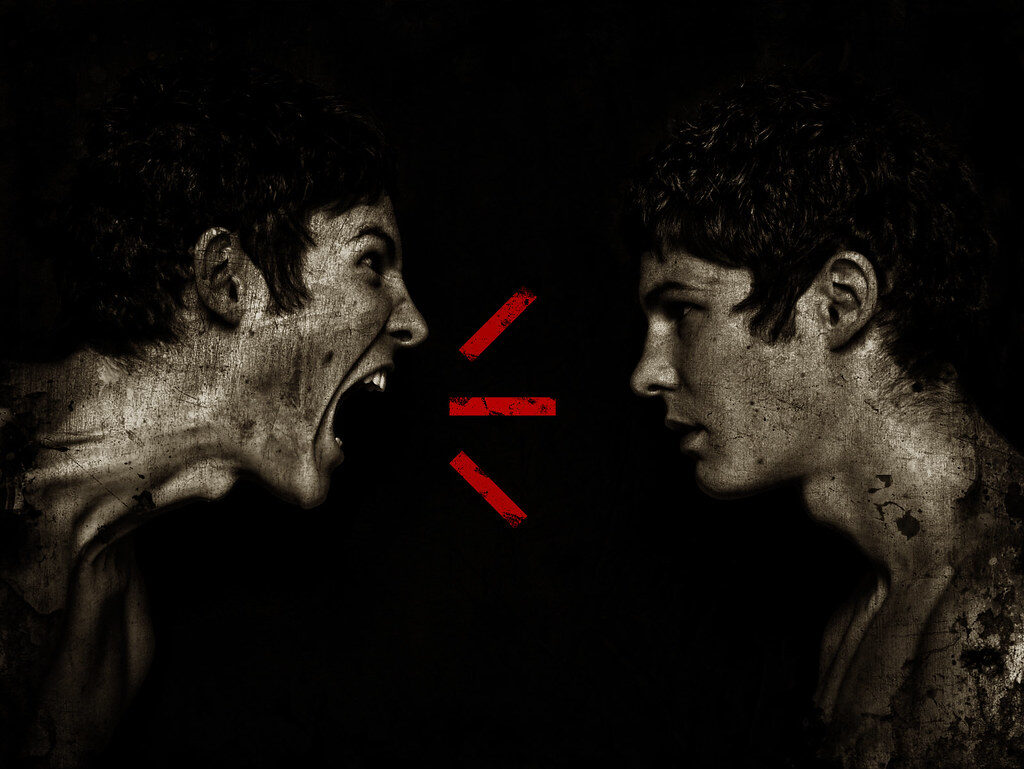
Yelling Isn’t Just Yelling: How a Hostile Home Rewires a Child’s Brain for Constant Alert

Yelling Isn’t Just Yelling: How a Hostile Home Rewires a Child’s Brain for Constant Alert

by Shibasis Rath
March 9, 2026
0

To a parent in the heat of the moment, a raised voice may feel like simple frustration. To a child...

a group of gen Z kids walking down a street

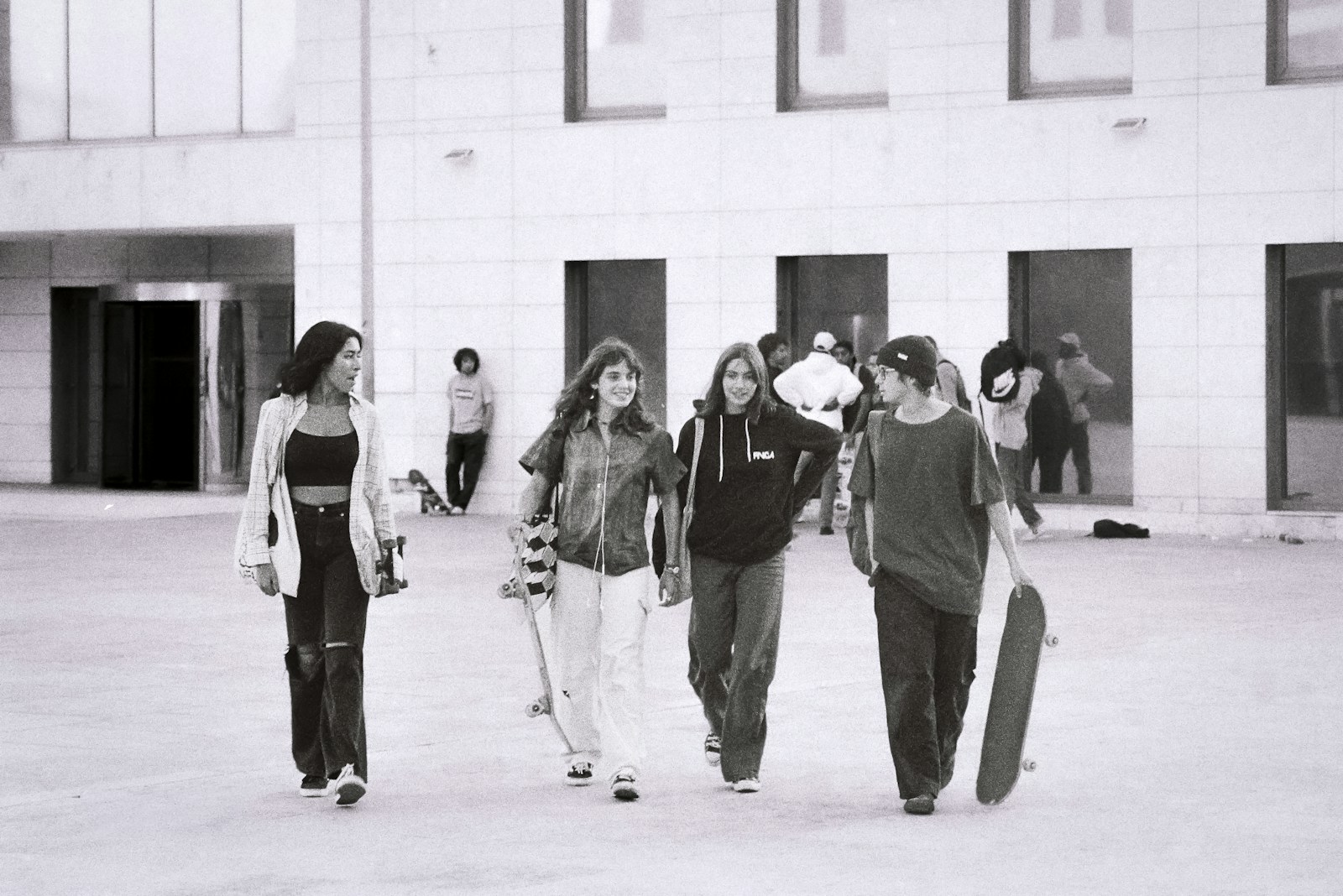
Is Gen Z the First Generation Less Intelligent Than Their Parents?

by Shibasis Rath
March 14, 2026
0

Gen Z intelligence decline is emerging as a serious concern among neuroscientists and education researchers. For over a century, each...

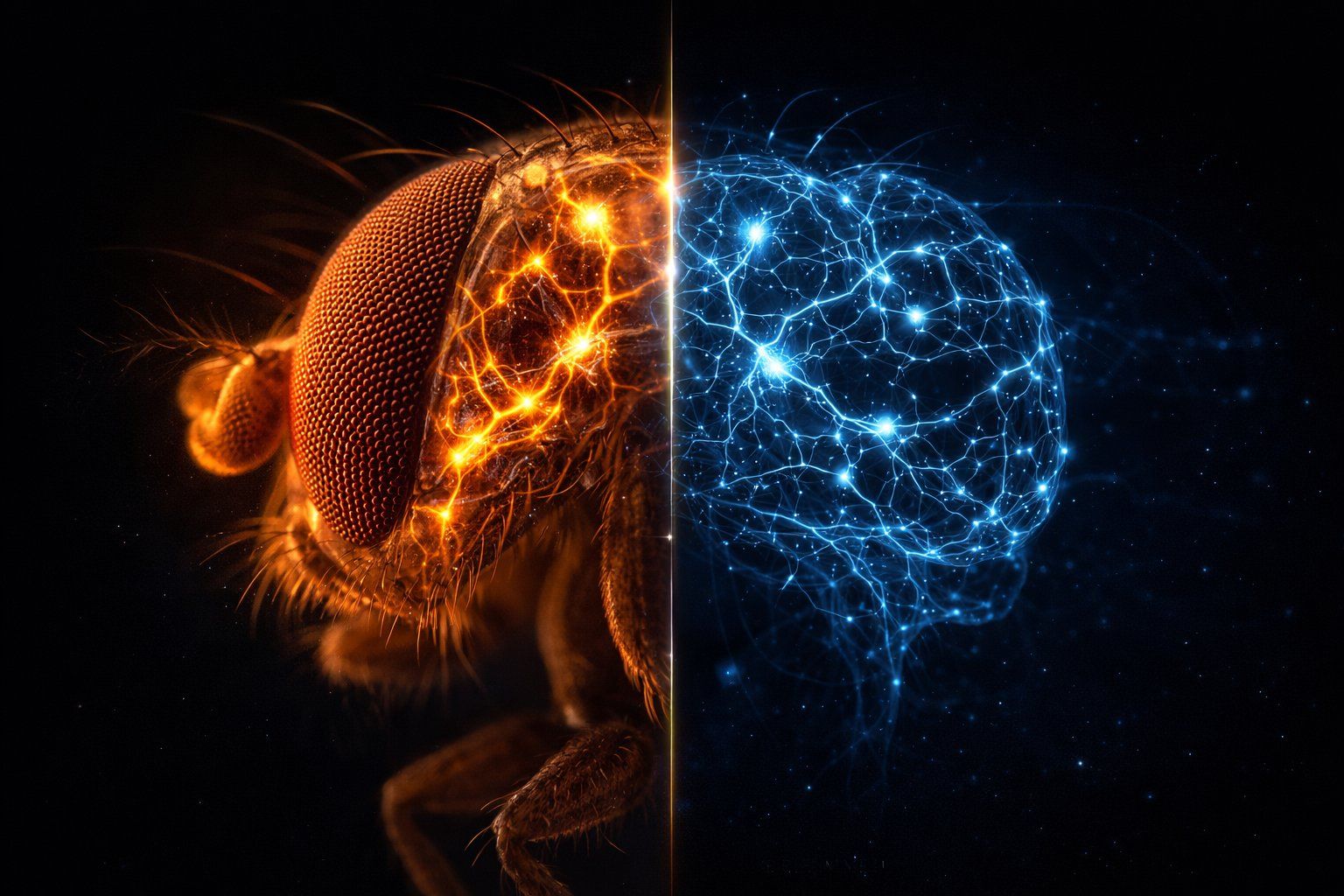
Whole Brain Emulation Achieved: Scientists Run a Fruit Fly Brain in Simulation

by Shibasis Rath
March 9, 2026
0

Scientists have copied an entire biological brain neuron by neuron and synapse by synapse and made it control a simulated...

Male G-spot isn’t where we thought it was

Male G-Spot Found: New Study Identifies Frenular Delta as Penis’s Most Sensitive Area

by Staff Writer
April 27, 2026
0

The study found that human penile innervation develops in distinct fetal stages and shows region-specific patterns in adults, with the...

Global Sperm Counts Have Dropped 50% in 50 Years Now 128 Men Are Racing Their Way to a $100,000 Prize to Prove the Point

by Staff Writer
May 5, 2026
0

A group of technology entrepreneurs is staging a competitive event in San Francisco in which semen samples from 128 men...

EDITOR CHOICE‘S

  • All
  • NEWS
  • SPOTLIGHTS

Low Sexual Frequency Linked to Worse Cardiovascular Outcomes, Two US Studies Find

by Shibasis Rath
May 5, 2026
0

A study using over a decade of national health survey data found that adults with cardiovascular disease who also reported...

Global Sperm Counts Have Dropped 50% in 50 Years Now 128 Men Are Racing Their Way to a $100,000 Prize to Prove the Point

by Staff Writer
May 5, 2026
0

A group of technology entrepreneurs is staging a competitive event in San Francisco in which semen samples from 128 men...

a person sitting on a bench on a sidewalk

Trauma Shrinks the Brain But Science Shows Exercise Can Rebuild It from the Inside Out

by Shibasis Rath
May 5, 2026
0

The relationship between psychological trauma and the physical structure of the brain is one of the most striking discoveries in...

Functional Lab-Grown Esophagus Successfully Implanted in Growing Pigs

Functional Lab-Grown Esophagus Successfully Implanted in Growing Pigs

by Staff Writer
May 4, 2026
0

Researchers implanted autologous, cell-seeded esophageal segments into growing minipigs. The grafts integrated with host tissue. They showed contractility, remodeling, and...

ADVERTISEMENT

RathBiotaClan – RBC

RathBiotaClan – Connecting Research To Reality

Your trusted source for life science news, biology research & discoveries. Covering neuroscience, genetics, ecology, and more — connecting research to reality.

Privacy Policies

Contact Us

About Us

Editorial Standards

Latest Posts

  • Low Sexual Frequency Linked to Worse Cardiovascular Outcomes, Two US Studies Find
  • Global Sperm Counts Have Dropped 50% in 50 Years Now 128 Men Are Racing Their Way to a $100,000 Prize to Prove the Point
  • Trauma Shrinks the Brain But Science Shows Exercise Can Rebuild It from the Inside Out
  • Functional Lab-Grown Esophagus Successfully Implanted in Growing Pigs

SHIBASIS RATH

Contact Mail

rathbiotaclan@gmail.com

No Result
View All Result
MSME (Udyam) Certified Science Platform
Govt. of India

Get Us On PlayStore

playstore app for rathbiotaclan
  • About Us
  • Advertise With Us
  • Cancellation and Refund Policy
  • Contact Us
  • Contribute
  • Editorial Standards
  • Home
  • Pricing Details
  • Privacy Policies
  • Shipping Policy
  • Terms & Conditions

© 2026 RathBiotaClan. All rights reserved.

Welcome Back!

Sign In with Google
OR

Login to your account below

Forgotten Password? Sign Up

Create New Account!

Sign Up with Google
OR

Fill the forms below to register

*By registering into our website, you agree to the Terms & Conditions and Privacy Policy.
All fields are required. Log In

Retrieve your password

Please enter your username or email address to reset your password.

Log In
No Result
View All Result
  • HOME
  • HEALTH SCIENCE
  • NEUROSCIENCE
    • PHYSIOLOGY
    • IMMUNOLOGY
    • CANCER
  • DISCOVERIES
    • SPOTLIGHTS
    • STUDENT PORTAL
    • SCIENCE FEATURED
  • MOLECULAR BIOLOGY
    • GENETICS
    • BIOTECHNOLOGY
    • BIOINFORMATICS
    • BIOCHEMISTRY
    • BIOPHYSICS
  • ZOOLOGY & ECOLOGY
    • ENVIRONMENTAL SCIENCE
    • ECOLOGY
    • EVOLUTION
  • MICRO & PLANT SCIENCE
    • MICROBIOLOGY
    • CELL BIOLOGY
    • DEVELOPMENTAL BIOLOGY
  • PSYCHOLOGY
  • Login
  • Sign Up
SAVED POSTS

© 2026 RathBiotaClan. All rights reserved.

This website uses cookies. By continuing to use this website you are giving consent to cookies being used. Visit our Privacy and Cookie Policy.
Are you sure want to unlock this post?
Unlock left : 0
Are you sure want to cancel subscription?