






Monday, May 4, 2026
SAVED POSTS
  • Login
  • Register
RathBiotaClan
No Result
View All Result
  • HOME
  • HEALTH SCIENCE

    TRENDING ON HEALTH (TOP)

    Dreams about loved ones can bring comfort before death

    Male G-Spot Found: New Study Identifies Frenular Delta as Penis’s Most Sensitive Area

    New Stem Cell Therapy Rebuilds Bone in Osteoporosis, Shows 30% Density Gain

    Walnut Extract May Help Control Blood Sugar Naturally, New Study Finds

    NOW ON AIR (RBC)

    Smiling Female Child Showing Success While Writing Homework In Front Of Parents
    PSYCHOLOGY

    Recent Study Indicates Constant Praise May Actually Lower a Child’s Academic Risk-Taking.

    May 3, 2026
    SLC38A4 expression was confirmed by western blot in multiple tumor cell lines. In mouse models, liver tissue imaging (H&E staining) showed that overexpression of SLC38A4 reduced metastatic tumor areas, while knockdown increased them across Hepa1-6, MC38, and B16F10 cells. Results were consistent in both immunocompetent and nude mice, with statistically significant differences.
    MOLECULAR BIOLOGY

    Scientists Find Molecule That Wipes Out Liver Cancer

    May 2, 2026
    DISCOVERIES

    Fossil Penguins From New Zealand Reveal Stages of the Birds’ Long Evolutionary History

    May 1, 2026
    Bluebuck antelope with silvery-blue coat and curved horns running across open South African grassland, representing extinct species targeted for de-extinction by scientists
    MOLECULAR BIOLOGY

    Colossal Biosciences Announces De-Extinction of Bluebuck Antelope, 226 Years After Its Extinction

    May 1, 2026
  • NEUROSCIENCE
    • PHYSIOLOGY
    • IMMUNOLOGY
    • CANCER
  • DISCOVERIES
    • SPOTLIGHTS
    • STUDENT PORTAL
    • SCIENCE FEATURED
  • MOLECULAR BIOLOGY
    • GENETICS
    • BIOTECHNOLOGY
    • BIOINFORMATICS
    • BIOCHEMISTRY
    • BIOPHYSICS
  • ZOOLOGY & ECOLOGY
    • ENVIRONMENTAL SCIENCE
    • ECOLOGY
    • EVOLUTION
  • MICRO & PLANT SCIENCE
    • MICROBIOLOGY
    • CELL BIOLOGY
    • DEVELOPMENTAL BIOLOGY
  • PSYCHOLOGY
RBC Interactive Sticky Bar
RathBiotaClan Logo
Shop Resources
Life Science Whole Spectrum Focus
24/7 Digital Access
Pro Resources For Students & Researchers
Premium Articles
Research-backed insights for the curious mind.
eBooks
Digital books covering lab protocols.
RBC Magazines
Deep dives and science innovations.
Research Guides
Methodologies and application frameworks.
Pro Notes PDF
High-yield study notes for quick review.
View All Resources
Browse the complete digital library.
RathBiotaClan Seal

Connecting Research to Reality

Science is our safest secret. Explore the life science spectrum with insights for the curious mind.

RathBiotaClan
No Result
View All Result
Home HEALTH SCIENCE

Hair Pulling Trigger One Of The Fastest Pain Signaling

Shibasis Rath by Shibasis Rath
July 7, 2025
in HEALTH SCIENCE, NEUROSCIENCE, SCIENCE FEATURED
Reading Time: 5 mins read
0
A A
0

Hair pulling is a seemingly simple act that initiates a complex dynamic process along the pathway for pain signaling. It is one of the fastest known responses to pain and is activated directly by the stimulation of sensory receptors embedded in the skin surrounding hair follicles. This article seeks to enlighten on the science behind how the body can recognize pain from hair pulling through nociceptors, nerve fibers, and how the brain responds.

Biology of Hair Follicles and Pain Receptors

Hair follicles are very innervated structures with many nerve endings. Within these are nociceptors, special receptors that have the ability to detect noxious stimuli, pressure, changes in temperature, or tissue damage. Upon the pulling of a hair, the mechanical stress to the follicle immediately activates the nociceptors implanted in the root of the follicle.

There are two major categories of nociceptors that are used:

1. Mechanonociceptors: It is the category of nociceptors that responds to mechanical insults, such as pulling of hair or tissue compression.

2. Polymodal nociceptors: They respond to a multitude of stimuli, such as mechanical and thermal forms of injury as well as chemical insult.

ADVERTISEMENT

They causes the sharp, severe pain felt in hair pulling. A-delta fibers are thin, myelinated-far better say, covered by a protective sheath of myelin-and thus may therefore conduct electrical impulses very quickly. In fact, this myelination means that A-delta fibers propagate signals anywhere from 20 to 120 meters per second. The speed depends on the diameter of the fiber.

READ ALSO

Researchers Identify a Hidden Memory Risk Hiding in Plain Sight for Older Adults

Dreams about loved ones can bring comfort before death

This signal from nociceptors in skin transmits to the brain through three stages.

ADVERTISEMENT

The three stages are as follows:

1. Transmission to the spinal cord: The pain signal moves to dorsal horn of spinal cord once A-delta fibers are activated.

2. Spinal Cord Synapse: The signal passes through second-order neurons located in the dorsal horn. Signal transmitted through the spinothalamic tract to the thalamus in the brain.

ADVERTISEMENT

3. Transmission to the Brain From the thalamus, the signal is relayed to the somatosensory cortex that processes painful information, touch, and temperature.

This process, from the activation of nociceptors up to the perception of pain in the brain, only takes milliseconds. Hair-pulling thus is one of the fastest pain-triggering events.

Brain Perception of Pain

Once this signal reaches the brain, it is spread across the somatosensory cortex in the parietal lobe, a very special region that maps sensory input from the whole body to easily, with high speed, determine where and how intense the stimulus :

1. Somatosensory Cortex: This area is responsible for processing the sensory information the person receives, such as pain, temperature, and pressure. Through the interpretation of the signal from the A-delta fibers and translating it into a conscious perception of sharp pain.

2. ACC (Anterior Cingulate Cortex): This is the seat of emotional pain. That’s why, in certain situations, when a person pulls on his hair, it can cause physiological pain and also emotional pain, mostly in those who are pain sensitive, so they feel pain.

Fast Pain vs. Slow Pain: Role of A-delta and C-fibers

The mechanism of the body in signaling pain can be differentiated into two pathways: fast pain and slow pain. Fast pain is transmitted by A-delta fibers, that we have discussed; it’s usually sharp, localized, and of short duration. Slow pain, on the other hand, is transmitted by C-fibers, which, because they are unmyelinated, conduct impulses much more slowly-about 0.5 to 2 meters per second. C-fiber pain is usually dull and throbbing, but also much less easily localized.

Hair pulling activates nearly exclusively A-delta fibers; thus why the pain is very sharp and immediate. After the initial sharp pain, C-fibers may add a dull soreness, but the initiating sensation is carried by the quick activation of A-delta fibers.

Scientific studies on Pain Transmission Mechanisms

In the past few years, neuroscientific research has become impressively effective in unraveling finer details about how pain signals in the nervous system are being processed, using state-of-the-art imaging techniques, such as functional MRI, in the study of brain activity evoked by hair pulling and other forms of mechanical pain stimuli.

A 2021 journal article entitled in the Journal of Neuroscience measured the speed of the transmission of pain it was caused by a hair-pulling stimulus. This study made researchers expose 50 subjects to mechanical forces given to the hair, from moderate to strong. The researchers used EEG to measure the latency of processing from the stimulus to the brain activity and showed that the signals coming from nociception by hair pulling is as fast as milliseconds when it reaches the brain at 50.

This study further served to demonstrate the activation of A-delta fibers would immediately cause a spike in activity in the somatosensory cortex and subsequent activation in the anterior cingulate cortex, demonstrating the sensory and emotional components of pain perception.

Clinical Applications and Trichotillomania

The fast pain response following hair pulling has clinical applications, especially in understanding conditions like trichotillomania, a form of psychological disorder characterized by compulsive hair-pulling activity. Such a study on the perception of pain in patients with trichotillomania may, at the least, provide evidence of changes in activity of nociceptors or differences in pain thresholds. The compulsive nature of hair pulling in trichotillomania might then be related to the peculiar way of an interaction of pain and pulling that such patients may describe as a soothing process despite immediate sharp pain.

This future research into the mechanisms that modulate pain may unscramble better treatment interventions for patients with trichotillomania orientation like cellular level of sensitivity or aberration of the pathway in the anterior cingulate cortex that processes emotions.

Conclusion

Hair pulling leads to one of the fastest responses in pain mechanisms involving the activation of nociceptors and transmission via A-delta fibers. Such a mechanism allows the organism to respond highly promptly to potential damage, thus becoming an important feedback of protection. Further studies on pain perception and signal transmission processes will be continuing, and this would open up new pathways of research in treating pain-related disorders and conditions like trichotillomania by furthering our understanding of this fast-acting system.


  • Share on WhatsApp (Opens in new window) WhatsApp
  • Share on Facebook (Opens in new window) Facebook
  • Share on Reddit (Opens in new window) Reddit
  • Share on X (Opens in new window) X
  • Print (Opens in new window) Print

Did you like this read? Turn on notifications so we can let you know the second a new post goes live.

Turn off Alerts
Shibasis Rath

Shibasis Rath

"𝓒𝓸𝓷𝓷𝓮𝓬𝓽𝓲𝓷𝓰 𝓡𝓮𝓼𝓮𝓪𝓻𝓬𝓱 𝓣𝓸 𝓡𝓮𝓪𝓵𝓲𝓽𝔂" 𝓲𝓼𝓷'𝓽 𝓙𝓾𝓼𝓽 𝓪 𝓜𝓸𝓽𝓽𝓸 - 𝓘𝓽'𝓼 𝓜𝔂 𝓜𝓲𝓼𝓼𝓲𝓸𝓷

Related Posts

Group of seniors walking down a city street.
NEUROSCIENCE

Researchers Identify a Hidden Memory Risk Hiding in Plain Sight for Older Adults

April 30, 2026
end-of-life dreams
HEALTH SCIENCE

Dreams about loved ones can bring comfort before death

April 28, 2026
Strict Parenting Linked to Increased Deceptive Behavior in Children, Study Suggests.
PSYCHOLOGY

Strict Parenting Linked to Increased Deceptive Behavior in Children, Study Suggests.

April 25, 2026

POPULAR NEWS

Yelling Isn’t Just Yelling: How a Hostile Home Rewires a Child’s Brain for Constant Alert

Yelling Isn’t Just Yelling: How a Hostile Home Rewires a Child’s Brain for Constant Alert

by Shibasis Rath
March 9, 2026
0

To a parent in the heat of the moment, a raised voice may feel like simple frustration. To a child...

a group of gen Z kids walking down a street

Is Gen Z the First Generation Less Intelligent Than Their Parents?

by Shibasis Rath
March 14, 2026
0

Gen Z intelligence decline is emerging as a serious concern among neuroscientists and education researchers. For over a century, each...

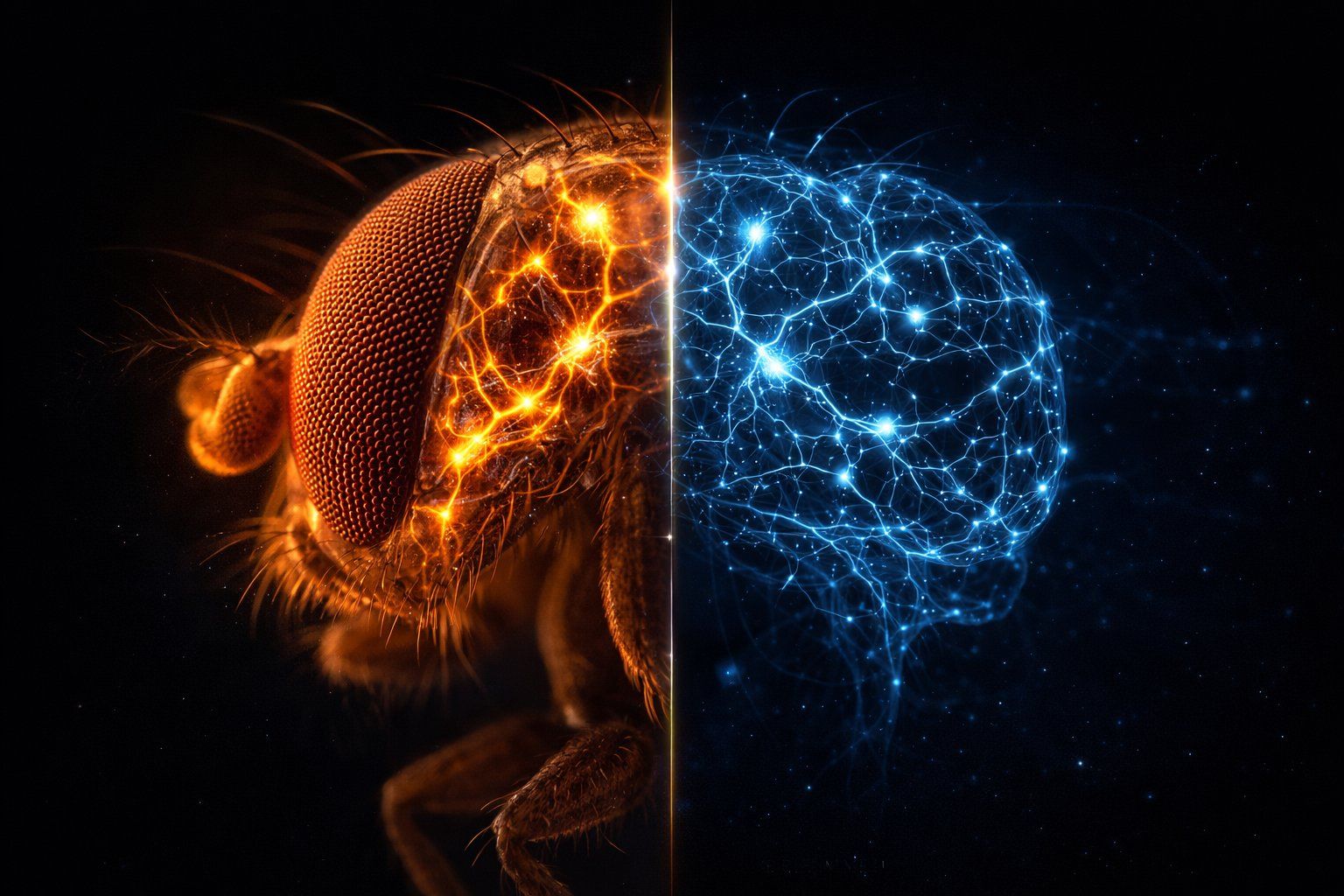
Whole Brain Emulation Achieved: Scientists Run a Fruit Fly Brain in Simulation

by Shibasis Rath
March 9, 2026
0

Scientists have copied an entire biological brain neuron by neuron and synapse by synapse and made it control a simulated...

Male G-spot isn’t where we thought it was

Male G-Spot Found: New Study Identifies Frenular Delta as Penis’s Most Sensitive Area

by Staff Writer
April 27, 2026
0

The study found that human penile innervation develops in distinct fetal stages and shows region-specific patterns in adults, with the...

Hair Pulling Trigger One Of The Fastest Pain Signaling

by Shibasis Rath
July 7, 2025
0

Hair pulling is a seemingly simple act that initiates a complex dynamic process along the pathway for pain signaling. It...

EDITOR CHOICE‘S

  • All
  • NEWS
  • SPOTLIGHTS
Recent Study Indicates Constant Praise May Actually Lower a Child’s Academic Risk-Taking.

Recent Study Indicates Constant Praise May Actually Lower a Child’s Academic Risk-Taking.

by Staff Writer
May 3, 2026
0

Recent studies on types of praise and children's academic motivation show that constantly praising a child's fixed traits, such as their intelligence...

SLC38A4 expression was confirmed by western blot in multiple tumor cell lines. In mouse models, liver tissue imaging (H&E staining) showed that overexpression of SLC38A4 reduced metastatic tumor areas, while knockdown increased them across Hepa1-6, MC38, and B16F10 cells. Results were consistent in both immunocompetent and nude mice, with statistically significant differences.

Scientists Find Molecule That Wipes Out Liver Cancer

by Shibasis Rath
May 2, 2026
0

Researchers investigated this question because metastasis causes most cancer deaths, and the liver is a frequent site of spread for...

Fossil Penguins From New Zealand Reveal Stages of the Birds’ Long Evolutionary History

Fossil Penguins From New Zealand Reveal Stages of the Birds’ Long Evolutionary History

by Shibasis Rath
May 1, 2026
0

The discovery of four new species of fossil penguins in New Zealand in 2025 sheds light on the long evolutionary...

Bluebuck antelope with silvery-blue coat and curved horns running across open South African grassland, representing extinct species targeted for de-extinction by scientists

Colossal Biosciences Announces De-Extinction of Bluebuck Antelope, 226 Years After Its Extinction

by Staff Writer
May 1, 2026
0

It has been 226 years since humans last saw a living bluebuck, an elegant antelope species native to South Africa...

ADVERTISEMENT

RathBiotaClan – RBC

RathBiotaClan – Connecting Research To Reality

Your trusted source for life science news, biology research & discoveries. Covering neuroscience, genetics, ecology, and more — connecting research to reality.

Privacy Policies

Shipping Policy

Cancellation & Refund Policy

Pricing Details

Contact Us

Latest Posts

  • Recent Study Indicates Constant Praise May Actually Lower a Child’s Academic Risk-Taking.
  • Scientists Find Molecule That Wipes Out Liver Cancer
  • Fossil Penguins From New Zealand Reveal Stages of the Birds’ Long Evolutionary History
  • Colossal Biosciences Announces De-Extinction of Bluebuck Antelope, 226 Years After Its Extinction

SHIBASIS RATH

Contact Mail

rathbiotaclan@gmail.com

No Result
View All Result
MSME (Udyam) Certified Science Platform
Govt. of India

Get Us On PlayStore

playstore app for rathbiotaclan
  • About Us
  • Advertise With Us
  • Cancellation and Refund Policy
  • Contact Us
  • Contribute
  • Editorial Standards
  • Home
  • Pricing Details
  • Privacy Policies
  • Shipping Policy
  • Terms & Conditions

© 2026 RathBiotaClan. All rights reserved.

Welcome Back!

Sign In with Google
OR

Login to your account below

Forgotten Password? Sign Up

Create New Account!

Sign Up with Google
OR

Fill the forms below to register

*By registering into our website, you agree to the Terms & Conditions and Privacy Policy.
All fields are required. Log In

Retrieve your password

Please enter your username or email address to reset your password.

Log In
No Result
View All Result
  • HOME
  • HEALTH SCIENCE
  • NEUROSCIENCE
    • PHYSIOLOGY
    • IMMUNOLOGY
    • CANCER
  • DISCOVERIES
    • SPOTLIGHTS
    • STUDENT PORTAL
    • SCIENCE FEATURED
  • MOLECULAR BIOLOGY
    • GENETICS
    • BIOTECHNOLOGY
    • BIOINFORMATICS
    • BIOCHEMISTRY
    • BIOPHYSICS
  • ZOOLOGY & ECOLOGY
    • ENVIRONMENTAL SCIENCE
    • ECOLOGY
    • EVOLUTION
  • MICRO & PLANT SCIENCE
    • MICROBIOLOGY
    • CELL BIOLOGY
    • DEVELOPMENTAL BIOLOGY
  • PSYCHOLOGY
  • Login
  • Sign Up
SAVED POSTS

© 2026 RathBiotaClan. All rights reserved.

This website uses cookies. By continuing to use this website you are giving consent to cookies being used. Visit our Privacy and Cookie Policy.
Are you sure want to unlock this post?
Unlock left : 0
Are you sure want to cancel subscription?