






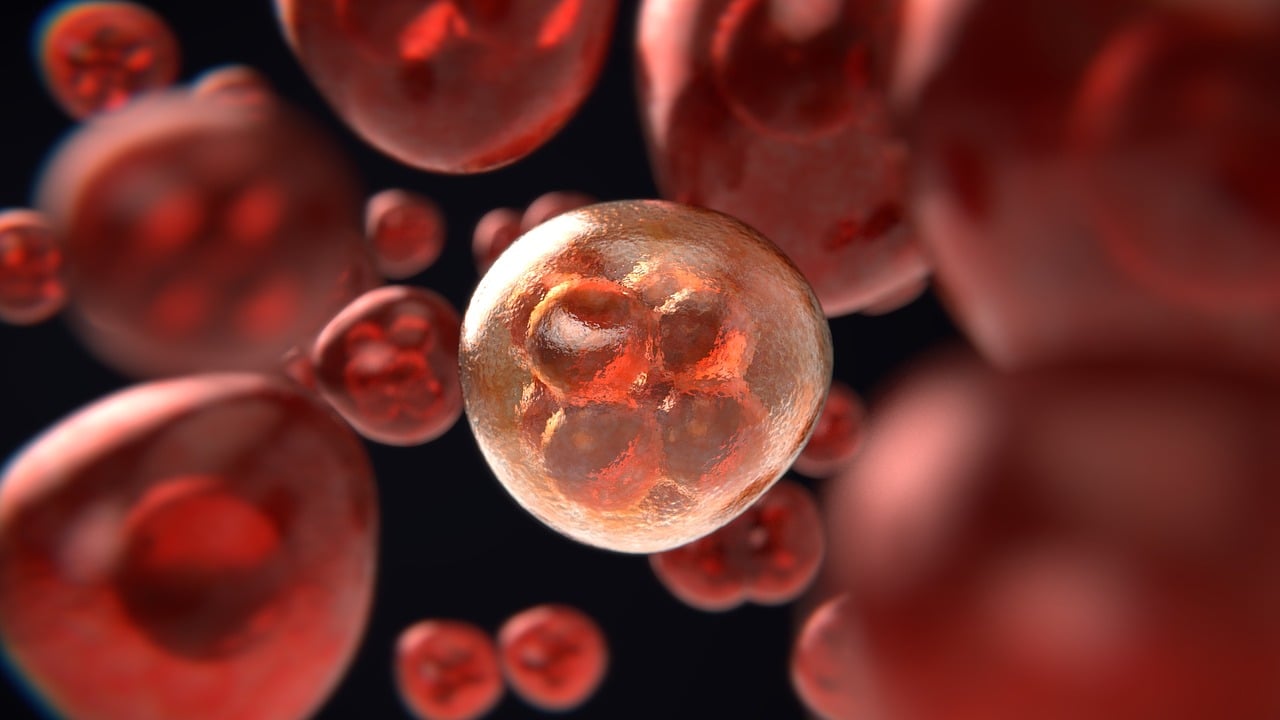
Eukaryotic cells contain specialized intracellular spaces called subcellular compartments. Each compartment supports specific metabolic activities, and this organization ensures that the cell functions with high precision and efficiency.
Spatial Separation of Metabolic Pathways
Metabolic pathways occur in distinct regions or organelles, for instance, mitochondria, the cytoplasm, and the endoplasmic reticulum. Furthermore, because these regions remain separate, multiple metabolic processes can operate simultaneously without interfering with one another. Crucially, this separation also allows the cell to coordinate complex biochemical reactions more effectively.
Functional Efficiency Through Localization
In addition to spatial separation, compartmentalization increases the efficiency of metabolic reactions because enzymes and substrates stay close together. Consequently, substrates travel shorter distances, reaction rates increase, and metabolic pathways operate far more smoothly. Moreover, localized enzyme clusters reduce unnecessary energy loss, thereby enhancing the overall functional efficiency.
Maintaining Optimal Conditions
Each enzyme requires specific environmental conditions. Compartmentalization provides tailored microenvironments with ideal temperature and pH. For example, lysosomes maintain an acidic setting that supports digestive enzymes while protecting other organelles from accidental degradation. Consequently, compartments preserve cell integrity.
Protection Against Lytic Enzymes
Cells also use compartmentalization to isolate harmful enzymes. For instance, lysosomal enzymes function only within their acidic compartment. When these compartments remain intact, the cell avoids unwanted auto-digestion. However, if they break down, necrosis or apoptosis may follow.
Regulation and Precise Control
Organizing metabolic pathways into compartments allows the cell to regulate reactions with greater accuracy. Transport mechanisms across membranes act as control points that dictate substrate entry and exit. Therefore, pathways remain isolated, interference decreases, and metabolic control becomes more targeted.
Energy Demand of Compartmentalization
Although compartmentalization offers major advantages, it also increases energy requirements. ATP-dependent transporters frequently move molecules across membranes against concentration gradients. This creates distinct internal environments while maintaining metabolic efficiency.
Examples of Compartmentalized Pathways
Cytosol
Metabolism of Saccharides
• Glycolysis
• Part of gluconeogenesis
• Glycogenolysis
• Glycogen synthesis
• Phosphate pentose cycle
Metabolism of Fatty Acids
• Fatty acid synthesis
Metabolism of Amino Acids
• Synthesis of non-essential amino acids
• Several transamination reactions
Other Pathways
• Portions of heme and urea synthesis
• Metabolism of purines and pyrimidines
Mitochondria
Metabolism of Saccharides
• Pyruvate dehydrogenase complex
• Part of gluconeogenesis (pyruvate to oxaloacetate)
Metabolism of Fatty Acids
• Beta-oxidation
• Synthesis of ketone bodies
• Degradation of ketone bodies
Examples of Specific Metabolic Pathways
Glycolysis
Glycolysis occurs in the cytosol and converts glucose into pyruvate while generating ATP and NADH. Under anaerobic conditions, pyruvate reduces to lactate to regenerate NAD+. Under aerobic conditions, NAD+ regenerates through the electron-transport chain, allowing glycolysis to continue efficiently.
Citric Acid Cycle and Oxidative Phosphorylation
These processes take place in mitochondria. The citric acid cycle oxidizes acetyl CoA to produce GTP, NADH, and FADH₂. These molecules then drive ATP synthesis through oxidative phosphorylation.
Pentose Phosphate Pathway
This pathway occurs in the cytosol and produces NADPH for reductive biosynthesis and ribose-5-phosphate for nucleotide synthesis. It also supplies intermediates for other metabolic pathways.
Gluconeogenesis
Gluconeogenesis takes place mainly in the liver and kidneys. It requires both mitochondrial and cytosolic enzymes and produces glucose from non-carbohydrate precursors such as lactate and amino acids.
Glycogen Synthesis and Degradation
Both reactions occur in the cytosol. Glycogen synthesis forms glycogen from glucose residues, while glycogen degradation releases glucose-1-phosphate for further metabolism.
Fatty Acid Synthesis and Degradation
Fatty acid synthesis occurs in the cytosol, where acetyl CoA and malonyl CoA assemble into long-chain fatty acids. In contrast, fatty acid degradation happens in mitochondria through beta-oxidation, producing acetyl CoA for the citric acid cycle.