



The accelerated rates of species extinction due to habitat loss, climate change, and poaching pose a serious threat to global biodiversity. Conservation biology’s response to date has been the growing consideration of innovative technologies that can help overcome these challenges. One such innovative technology, cloning, is an intensely controversial yet probably revolutionary technique in the field of endangered species preservation. Paper proceeds to outline the cloning techniques and mechanisms, application in field of conservation, problems and limitations arising out of this technology and ethical considerations.
- Cloning Techniques and Mechanisms
- Somatic Cell Nuclear Transfer (SCNT)
SCNT, or somatic cell nuclear transfer, is the generally recognizable type of cloning. In SCNT, what takes place is that the original cell or organism has a nuclear genome, or a duplicate copy by nuclear transfer into an enucleated oocyte.
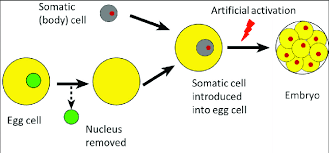
The major steps in SCNT include:
Somatic Cell Collection: All types of somatic cells, other than sperm and egg cells, are collected from the endangered species. The somatic cells contain a complete set of diploid chromosomes. This may be performed through techniques like skin biopsies or blood sampling.
Nuclear Transfer: The nucleus, containing all of the genetic material, is transferred from the somatic cell into an oocyte that has had its own nucleus removed. This enucleation of the recipient oocyte removes any DNA from that oocyte so that genetic material in the resultant embryo is provided by the donor of the somatic cell.
Embryo Development: The reconstituted oocyte is then induced to initiate its development. The inductions may be either chemical or electrical in nature. When the embryo has reached the stage where it can sustain development on its own, it is transferred into the womb of a surrogate mother for further gestation.
Applications of Cloning in Conservation
1. De-Extinction
De-extinction or the revival of extinct species is one of the most ambitious applications of cloning. For this process of de-extinction, the following major steps are involved:
DNA Extraction and Sequencing: DNA is taken from the conserved remains or tissues of extinct species. Further, the DNA sample is amplified by using various techniques such as Polymerase Chain Reaction (PCR) and next-generation sequencing. These methods reconstruct the genome from the extinct species with degraded and fragmented samples.
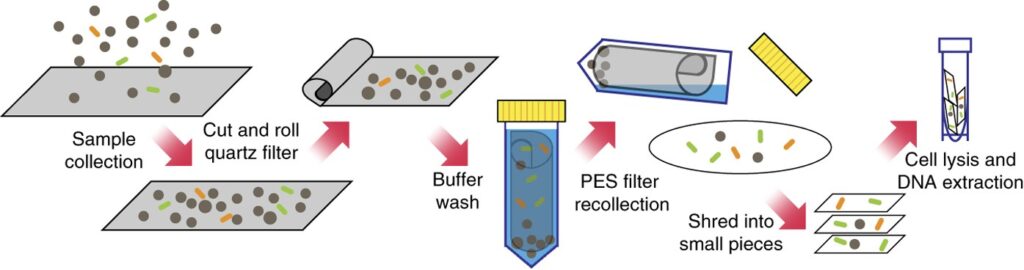
The DNA, after sequencing, serves as a template in reconstructing the genome of the extinct species. This reconstructed genome may serve as a guide to cloning in that it will supply the genetic blueprint necessary for the creation of a viable embryo.
Reproproductive Cloning: The assembled genome is transferred into a somatic cell of a closely related extant species. This cell is then used in the process of SCNT to produce a cloned embryo. In fact, scientists have tried their best to resurrect the Pleistocene-era extinct species, the woolly mammoth, using DNA from preserved specimens.
2. Population Augmentation
Cloning can be utilized to augment the population size of critically endangered species. The following are the method involved:
Genetic Restoration: Cloning increases genetic diversity in critically low populations of a certain species. By cloning from a small gene pool, it aids the conservationists in not developing a genetic bottleneck effect. A genetic bottleneck takes place when the population size goes down, leading to reduced genetic variability and susceptibility to diseases.
Breeding Programs: Cloned individuals can be incorporated into conventional breeding programs. For example, the cloning of the black-footed ferret, previously declared extinct in the wild, has contributed to the recovery program for that species by increasing population numbers and genetic diversity.
3. Genetic Variability
The amount of genetic variability determines how well adapted a species will be under unfavorable conditions and how capable it will continue to exist over a long period of time. Cloning maintains genetic diversity in the following ways:
Improvement of Genetic Base: Multiple cloning has the potential to retain a wider genetic base. This is of interest in the species that are of low genetic variation and ensures continuity of their genetic constituent into the future, especially on matters touching on adaptation to environmental changes.
Also, by Cloning, It can avoid inbreeding depression: Increasing the risks of inbreeding depression, this mainly occurs when similar types of individuals breed. This could be reducing the fertility rate, prone to diseases, and any other unhealthy disorder. Instead, cloning increases genetic diversity which reduces these risks.
Challenges and Limitations in Cloning
1. Technical Difficulties
Somatic cell reprogramming into a pluripotent state that has the ability to develop into any cell type by nuclear transfer is technically difficult. Generally, the outcome of this has been very low with a high developmental abnormality. This is due to incomplete reprogramming of the somatic nucleus or incompatibility between the donor nucleus and recipient oocyte.
Viability of the Embryo: Most cloned embryos never reach appropriate development. A high incidence of miscarriages or developmental defects commonly occurs owing to epigenetic discrepancies between the nucleus of the somatic cell and that of the oocyte. How to reprogram properly the somatic nucleus while keeping normal development remains a big challenge.
2. Genetic and Epigenetic Issues
These genetic abnormalities in cloned organisms include chromosomal aberrations and mutations. Genetic problems arise due to an error in the reprogramming process or in the cloning procedure itself, which may affect the health and viability of cloned individuals.
Epigenetic Modification: One of the problems that gene expression faces in the embryos produced by cloning is abnormal epigenetic modification. Epigenetics involve a change in gene expression without the involvement of any change in the DNA sequence. The abnormal patterns of epigenetic changes may cause disturbances in gene expression patterns that result in developmental problems or possibly health issues of cloned animals.
3. Ethical Concerns
Animal welfare: There is immense suffering from surrogate animals in the course of cloning, besides the high incidences of failings in pregnancies or deformed cloned offspring. Some ethical issues regarding animal welfare generally concern the manner of treatment and harm that might be caused to animals during the cloning process.
Biodiversity Implications: The release of cloned individuals into the wild could be a source of some ecological concerns with establishing them in natural conditions. This would disrupt ongoing ecosystems, species interactions, and possibly add new challenges to survival for the cloned species themselves.
Priorities for Conservation: The focus on cloning has the potential to shift resources away from other imperatives in conservation. Habitat preservation, anti-poaching measures, and tackling climate change are all vital forms of conservation that risk being pushed aside by the perceived glamour of a technological fix like cloning.
What the Future?
Cloning of endangered species represents a new frontier for conservation biology in mitigating the risk of extinction and restoring biodiversity. This technology offers unparalleled opportunities to surmount some of the major challenges that face most endangered species due to their small population sizes and lack of genetic diversity. The successful application of cloning in conservation, however, faces substantial scientific, technical, and ethical challenges.
In this respect, as research continues and technologies are improved, cloning can become part of an integrated approach to the conservation of biodiversity worldwide. The benefits of cloning will have to be weighed against the involved risks and other ethical issues so that the supplementing technologies do not replace the conventional methods of conservation. Eventually, it will take a multi-dimensional approach, protecting habitats, anti-poaching measures, and all forms of technological innovation, including cloning, if the future of endangered species is to be secured, along with healthy ecosystems in our planet.
ADVERTISEMENTS
ADVERTISEMENTS
Engage with Us:
Stay tuned for more captivating insights and News. Visit our Blogs , Science paper , Study Portal and Follow Us on social media to never miss an update. Together, let’s unravel the mysteries of the natural world.