






Heart disease remains the leading cause of death worldwide. In most cases, atherosclerosis drives this risk by causing fatty plaques to build up inside arteries. These plaques can trigger heart attacks and strokes. Now, Australian researchers report a promising breakthrough: arterial plaque nanoparticles designed to detect plaque, reduce inflammation, and remove harmful cholesterol from artery walls. This technology could reshape how doctors manage and prevent cardiovascular disease.
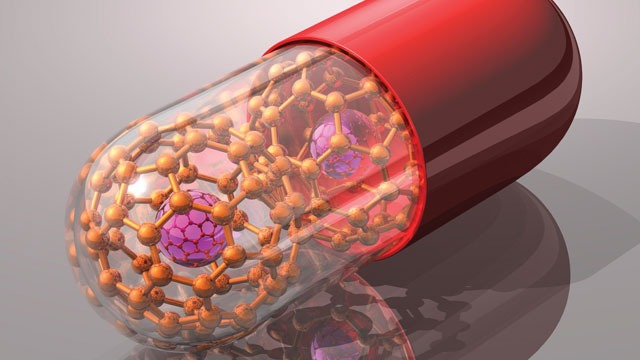
Scientists at the South Australian Health and Medical Research Institute (SAHMRI) demonstrated the approach in pre-clinical models. The nanoparticles enter immune cells located within diseased artery walls. Once inside, they lower inflammation and extract excess “bad” cholesterol. The particles then transport this cholesterol to the liver, where the body processes and removes it naturally. By doing so, the treatment interrupts the feedback loop in which inflammation accelerates plaque growth.
How Atherosclerosis Develops and Why It’s Dangerous
Atherosclerosis starts when factors such as high blood pressure, smoking, poor diet, or environmental toxins damage artery walls. This damage allows low-density lipoprotein (LDL) cholesterol to slip into the vessel lining. The immune system responds by sending macrophages, a type of white blood cell, to remove the cholesterol.
Over time, macrophages can become overwhelmed. They fill with cholesterol and turn into foam cells, which lodge in the artery wall and expand plaque size. As plaques grow, arteries narrow and restrict blood flow. The risk of clot formation rises sharply. When a plaque ruptures or a clot blocks circulation, a heart attack or stroke can occur.
Doctors currently rely on statins, lifestyle changes, angioplasty, and stents to manage the disease. These approaches lower risk and slow progression. However, they often fail to directly target arterial inflammation or meaningfully reverse plaque buildup. The new nanoparticle strategy aims to address those gaps.
The Nanoparticle Detection and Treatment in One
Dr. Victoria Nankivell led the SAHMRI research team that designed nanoparticles to target inflamed arterial plaques. In pre-clinical heart disease models, imaging tools tracked the particles as they moved directly into immune cells inside diseased arteries.
“These nanoparticles don’t just detect arterial plaque,” Dr. Nankivell explained. “They also remove cholesterol and transport it to the liver while lowering inflammation.”
The particles interact directly with macrophages. They draw cholesterol out of these cells and suppress inflammatory signals. As a result, plaques shrink and become more stable. This stability reduces the risk of rupture, which often causes sudden and severe cardiac events.
“One of the biggest challenges in treating atherosclerosis is the vicious cycle between inflammation and plaque growth,” Dr. Nankivell said. “Our nanoparticles help break that cycle and may improve long-term outcomes.”
The technology also offers diagnostic value. Because imaging can track the particles, doctors may detect dangerous plaques earlier. Early detection could allow preventive treatment before symptoms or heart attacks occur.
Fact-Checking Viral Claims Not Nanobots, and Not from Sweden
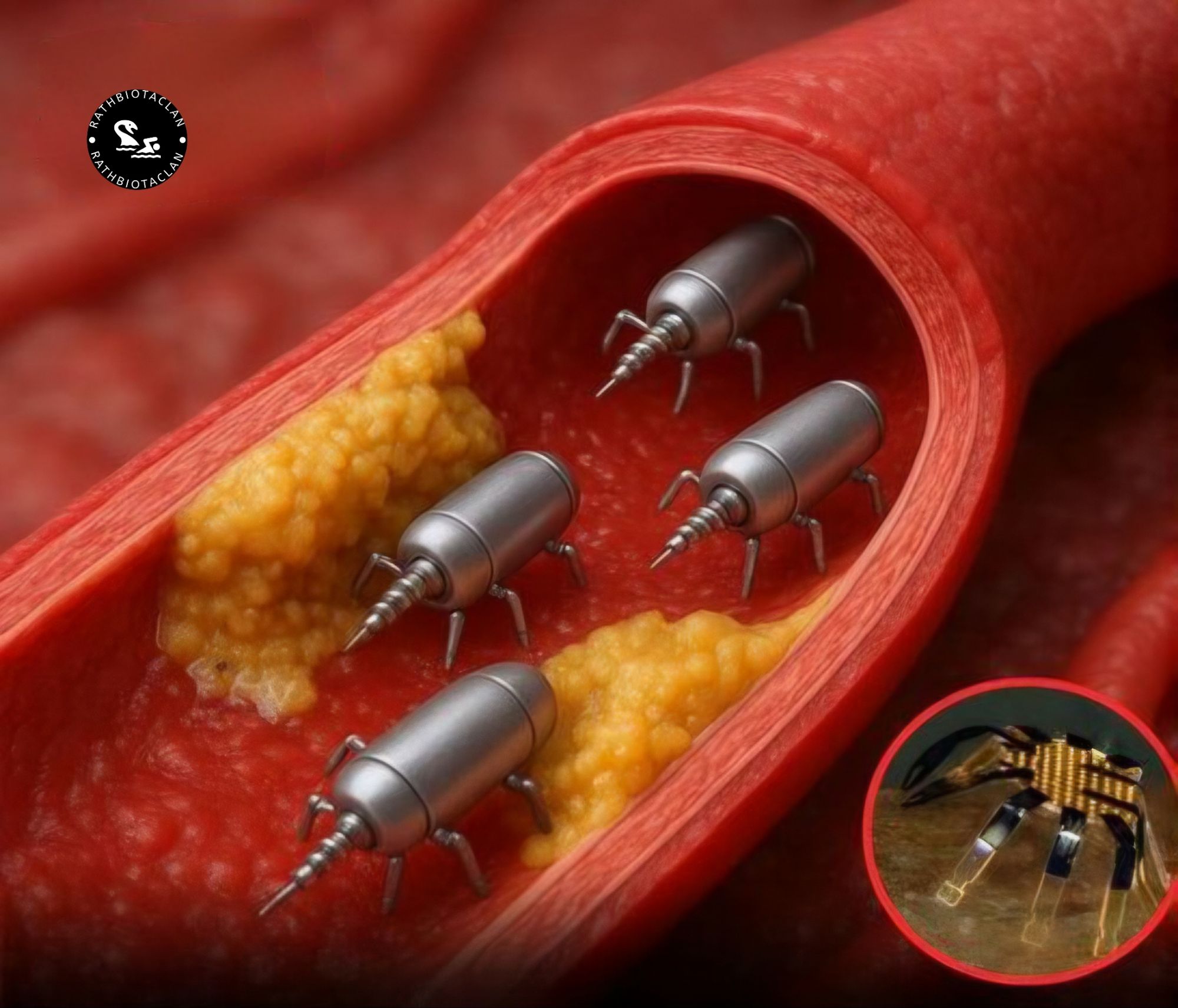
Recent viral posts on social media have claimed that Swedish scientists created “nanobots” that clear arterial plaque within minutes. Some posts even suggested that cardiologists opposed the technology due to lost surgical revenue.
These claims are incorrect. The Australian study involves passive nanoparticles, not autonomous nanobots. The particles do not scrape plaque mechanically, respond to magnets, or act instantly. Researchers observed the effects in laboratory and animal models, not in humans. No evidence supports claims of professional or industry controversy.
Future Implications and Remaining Challenges
If researchers successfully translate this technology to humans, it could complement existing heart disease treatments. The approach may offer a less invasive way to reduce plaque and inflammation. The research team is now preparing for future clinical trials. Their work focuses on safety, dosing, and how the nanoparticles might work alongside standard therapies.
Important challenges remain. Results in animal models do not always predict success in people. Researchers must also study long-term effects carefully. Still, this work builds on earlier advances in cardiovascular nanomedicine that targeted immune pathways involved in plaque formation.
“What makes these nanoparticles unique is their direct interaction with immune cells in the arteries,” Dr. Nankivell said. “They remove cholesterol and help the body process it more efficiently.”
For millions at risk of heart disease, this research points toward a future with better prevention, earlier detection, and fewer invasive procedures.
Reference
Nankivell, V. A., et al. (2025). Theranostic porphyrin nanoparticles identify atherosclerosis via multimodal imaging and elicit atheroprotective effects. Materials Today Bio, 34, 102202. https://doi.org/10.1016/j.mtbio.2025.102202