




Monday, May 18, 2026
SAVED POSTS
  • Login
  • Register
RathBiotaClan
No Result
View All Result
  • HOME
  • HEALTH SCIENCE

    TRENDING ON HEALTH (TOP)

    Cycling Linked to Lower Dementia Risk in Study of Nearly 480,000 Adults

    First oral GLP-1 weight-loss pill approved a new era for accessible treatment

    Chewing gum releases thousands of microplastic particles directly into your mouth with every piece you chew

    Single-Cell Study of Over a Million Immune Cells Reveals Why Women Are More Prone to Autoimmune Disease

    NOW ON AIR (RBC)

    A new study has found that men’s brains shrink faster than women’s as they age.
    NEUROSCIENCE

    12,638 MRI Scans Confirm Men’s Brains Shrink Faster in PNAS Study

    May 14, 2026
    ENVIRONMENTAL SCIENCE

    Volcanic Eruptions Can Destroy Their Own Methane — Tonga’s Plume Shows How

    May 13, 2026
    3 men standing on rocky shore during daytime
    MOLECULAR BIOLOGY

    For Future Space Missions, Molecular Ecology Finally Offers a Clear Biosignature Target

    May 12, 2026
    Babies Yawn in the Womb
    DEVELOPMENTAL BIOLOGY

    Scientists Say Babies May Learn to Yawn Before Birth

    May 11, 2026
  • NEUROSCIENCE
    • PHYSIOLOGY
    • IMMUNOLOGY
    • CANCER
  • DISCOVERIES
    • SPOTLIGHTS
    • STUDENT PORTAL
    • SCIENCE FEATURED
  • MOLECULAR BIOLOGY
    • GENETICS
    • BIOTECHNOLOGY
    • BIOINFORMATICS
    • BIOCHEMISTRY
    • BIOPHYSICS
  • ZOOLOGY & ECOLOGY
    • ENVIRONMENTAL SCIENCE
    • ECOLOGY
    • EVOLUTION
  • MICRO & PLANT SCIENCE
    • MICROBIOLOGY
    • CELL BIOLOGY
    • DEVELOPMENTAL BIOLOGY
  • PSYCHOLOGY
RathBiotaClan
RathBiotaClan
No Result
View All Result
Home DISCOVERIES

Rhino Tooth from the Arctic Unlocks 20 Million Year Old Secrets

Shibasis Rath by Shibasis Rath
July 10, 2025
in DISCOVERIES, EVOLUTION, MOLECULAR BIOLOGY
Reading Time: 4 mins read
0
A A
0
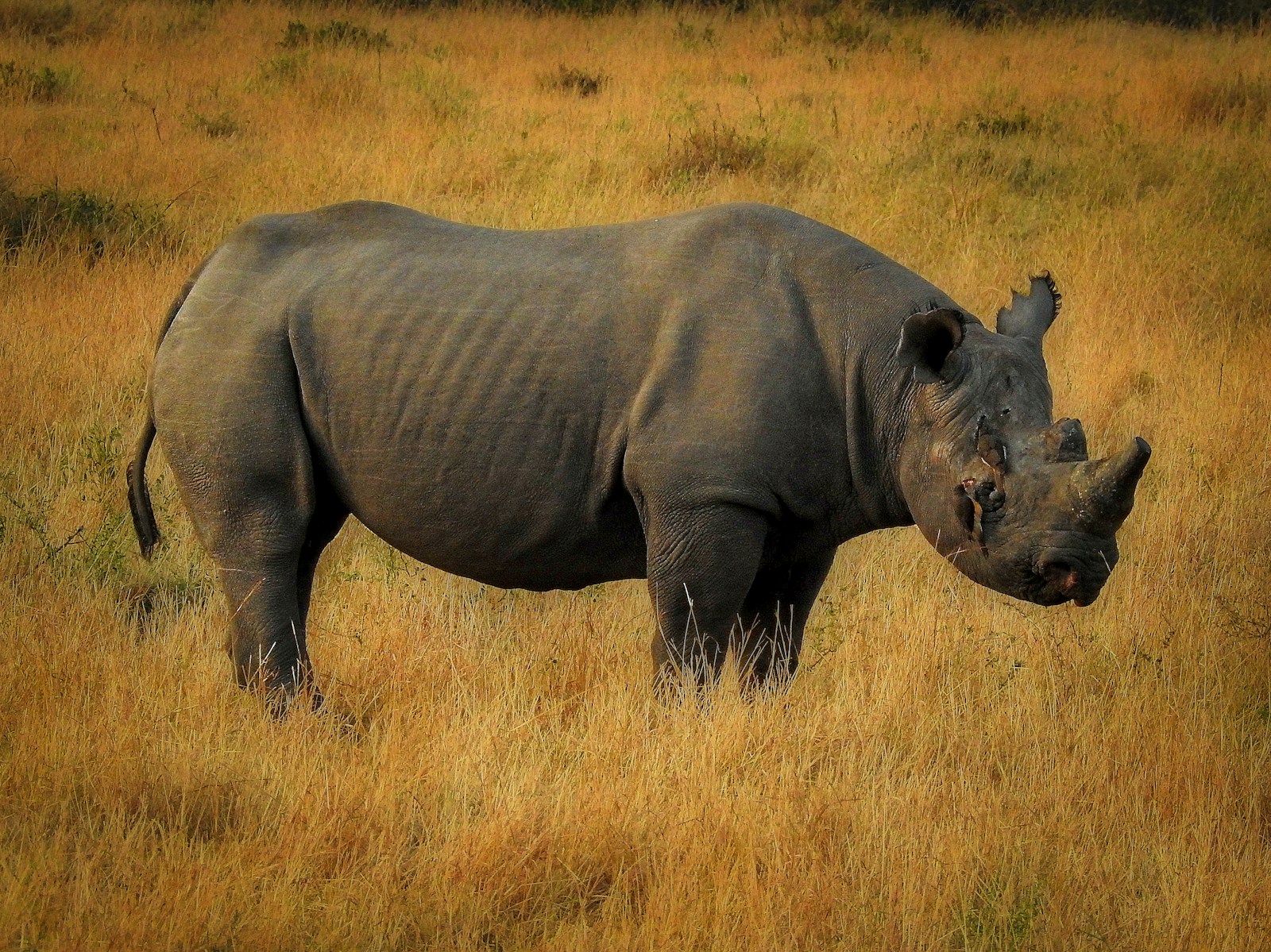
black rhino on field

Imagine holding a rhino tooth that’s over 20 million years old. Now imagine pulling ancient proteins from that tooth — not just fragments, but full sequences that tell us about how rhinos evolved over tens of millions of years. That’s exactly what a group of scientists just did, and it’s kind of mind-blowing.

This ancient rhino tooth, found in Canada’s icy High Arctic, turned out to be a genetic time capsule. Researchers managed to recover enamel proteins so well-preserved that they could trace the animal’s place in the rhino family tree — way back during the Middle Eocene to the Oligocene era, between 41 to 25 million years ago. They also discovered that the two major rhino subfamilies — Elasmotheriinae and Rhinocerotinae — likely split later than we thought, maybe around 34–22 million years ago.
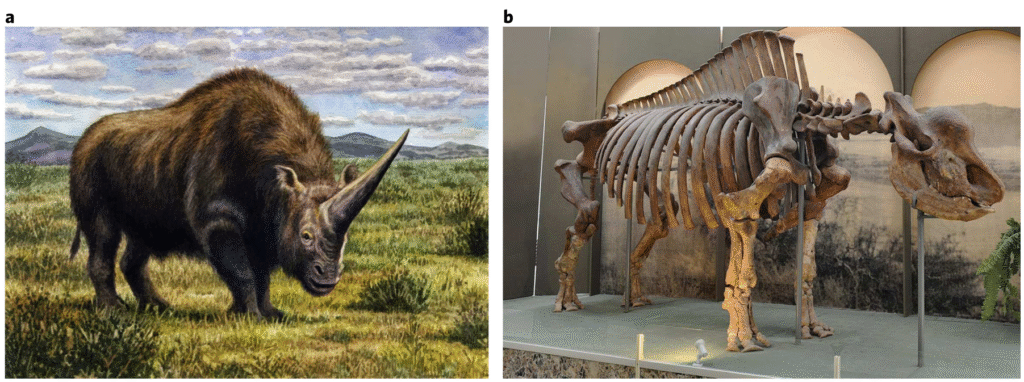
Evolution and extinction of the giant rhinoceros Elasmotherium sibiricum sheds light on late Quaternary megafaunal extinctions

Credit: Nature

ADVERTISEMENT

The huge thing that had to be noticed about this is to push the limits of what we thought was possible. Ancient DNA usually doesn’t survive more than a million years. But proteins? These enamel proteins survived 20 million. That’s ten times further back in time than the oldest ancient DNA ever found. Wild, right?

READ ALSO

For Future Space Missions, Molecular Ecology Finally Offers a Clear Biosignature Target

Scientists Find Molecule That Wipes Out Liver Cancer

The University of York’s team, including Dr. Marc Dickinson, helped confirm that these proteins weren’t just random contamination or modern molecules sneaking into the fossil. They used something called chiral amino acid analysis — basically, a test to check how much the amino acids had degraded over time and it was the real deal. “It’s phenomenal,” said Dickinson. “These tools help us go deeper and ask new questions about ancient life.”

ADVERTISEMENT

Credit: Nature

The high-latitude Haughton Crater on Devon Island has produced a highly endemic vertebrate fauna.

ADVERTISEMENT

And that’s important. Rhinos today are endangered. Learning how they evolved and survived past environmental changes could help us understand what they need to survive now.

Until recently, scientists mainly relied on fossil shape or bits of DNA to piece together evolutionary histories. But DNA has its limits. Proteins, though! Scientists are now proving that proteins can survive much longer, especially when dental enamel locks them inside and permafrost keeps them preserved. Enamel acts like armor — it protects what’s inside, even after millions of years.

Fazeelah Munir, a PhD researcher at York who helped analyze the tooth, said it best: “This gives a fresh perspective to scientists who already have incredible fossils sitting in collections. It shows we can learn so much more from them.”

And there’s something magical about where the fossil was found. According to Professor Enrico Cappellini from the University of Copenhagen, the Haughton Crater in the Arctic might be a kind of “biomolecular vault” — a spot on Earth where conditions are just right to preserve delicate proteins over deep time.

So yeah, this isn’t just about a rhino tooth. It’s a glimpse into a forgotten world — and a reminder that even the tiniest traces of ancient life can tell incredible stories if we look closely enough.

Reference:

Ryan S. Paterson et al. Phylogenetically informative proteins from an Early Miocene rhinocerotid, Nature (2025). DOI: 10.1038/s41586-025-09231-4, www.nature.com/articles/s41586-025-09231-4

Journal information: Nature 

  • Share on WhatsApp (Opens in new window) WhatsApp
  • Share on Facebook (Opens in new window) Facebook
  • Share on Reddit (Opens in new window) Reddit
  • Share on X (Opens in new window) X
  • Print (Opens in new window) Print
Shibasis Rath

Shibasis Rath

"𝓒𝓸𝓷𝓷𝓮𝓬𝓽𝓲𝓷𝓰 𝓡𝓮𝓼𝓮𝓪𝓻𝓬𝓱 𝓣𝓸 𝓡𝓮𝓪𝓵𝓲𝓽𝔂" 𝓲𝓼𝓷'𝓽 𝓙𝓾𝓼𝓽 𝓪 𝓜𝓸𝓽𝓽𝓸 - 𝓘𝓽'𝓼 𝓜𝔂 𝓜𝓲𝓼𝓼𝓲𝓸𝓷

Related Posts

3 men standing on rocky shore during daytime
MOLECULAR BIOLOGY

For Future Space Missions, Molecular Ecology Finally Offers a Clear Biosignature Target

May 12, 2026
SLC38A4 expression was confirmed by western blot in multiple tumor cell lines. In mouse models, liver tissue imaging (H&E staining) showed that overexpression of SLC38A4 reduced metastatic tumor areas, while knockdown increased them across Hepa1-6, MC38, and B16F10 cells. Results were consistent in both immunocompetent and nude mice, with statistically significant differences.
MOLECULAR BIOLOGY

Scientists Find Molecule That Wipes Out Liver Cancer

May 1, 2026
The oldest penguin species yet discovered, Daniadyptes primaevus, was a flightless bird that spent much of its time in the ocean, just like modern penguins. However, fossil evidence of the species’ long beaks suggests that it used hunting practices more like those of modern seabirds, such as cormorants, which stay near the water’s surface because they cannot swallow their prey underwater. Traces of the many varieties of ancient penguins that lived in New Zealand are al- lowing paleontologists to track their evolution into the semiaquatic birds found today.
DISCOVERIES

Fossil Penguins From New Zealand Reveal Stages of the Birds’ Long Evolutionary History

May 1, 2026

POPULAR NEWS

Chewing gum releases thousands of microplastic particles directly into your mouth with every piece you chew

Chewing gum releases thousands of microplastic particles directly into your mouth with every piece you chew

by Shibasis Rath
May 8, 2026
0

Microplastics are turning up in places researchers never expected: deep-sea sediments, Arctic ice, and human blood. Now, a UCLA pilot...

Yelling Isn’t Just Yelling: How a Hostile Home Rewires a Child’s Brain for Constant Alert

Yelling Isn’t Just Yelling: How a Hostile Home Rewires a Child’s Brain for Constant Alert

by Shibasis Rath
March 8, 2026
0

To a parent in the heat of the moment, a raised voice may feel like simple frustration. To a child...

a group of gen Z kids walking down a street

Is Gen Z the First Generation Less Intelligent Than Their Parents?

by Shibasis Rath
February 5, 2026
0

Gen Z intelligence decline is emerging as a serious concern among neuroscientists and education researchers. For over a century, each...

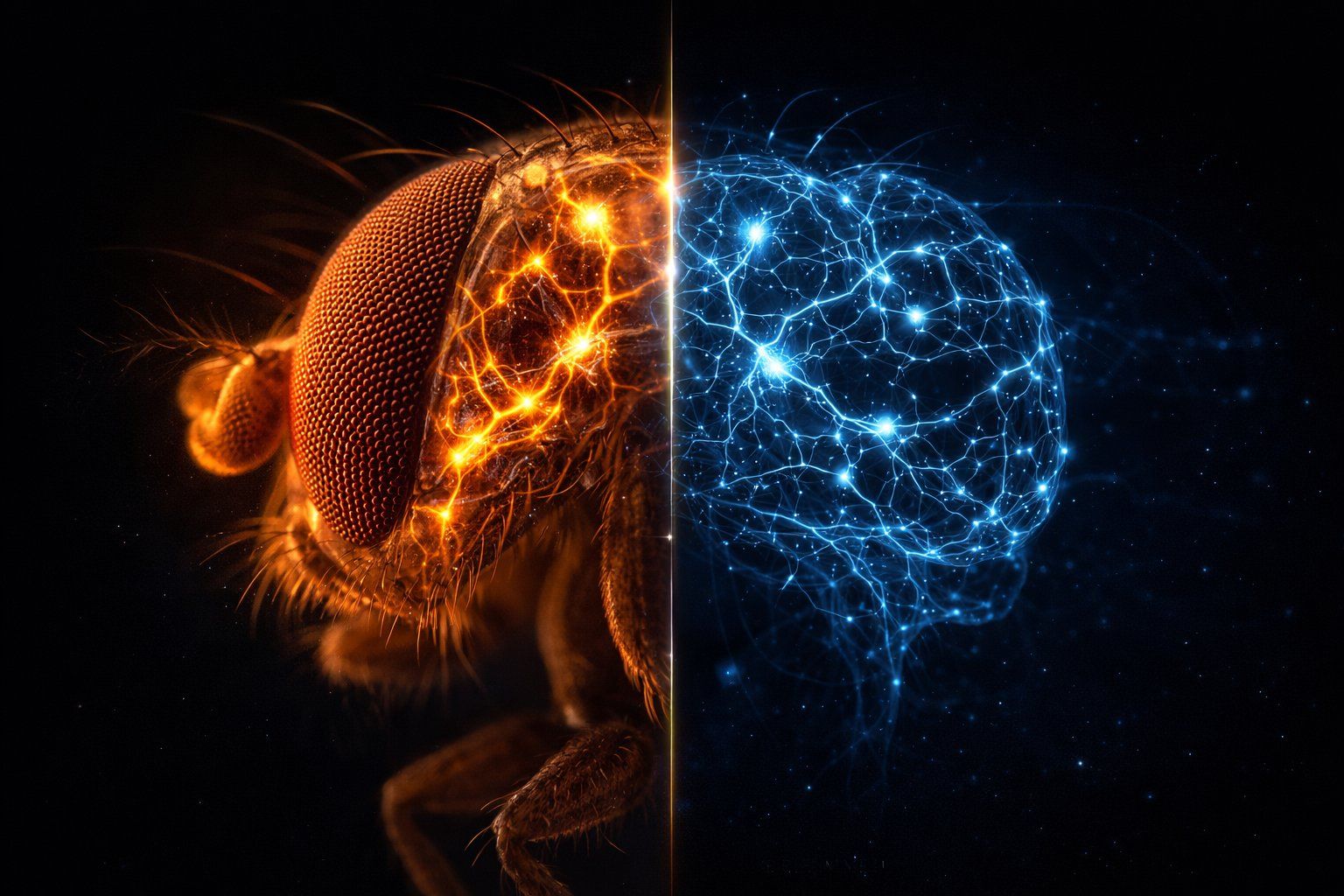
Whole Brain Emulation Achieved: Scientists Run a Fruit Fly Brain in Simulation

by Shibasis Rath
March 9, 2026
0

Scientists have copied an entire biological brain neuron by neuron and synapse by synapse and made it control a simulated...

Global Sperm Counts Have Dropped 50% in 50 Years Now 128 Men Are Racing Their Way to a $100,000 Prize to Prove the Point

Global Sperm Counts Have Dropped 50% in 50 Years Now 128 Men Are Racing Their Way to a $100,000 Prize to Prove the Point

by Staff Writer
May 5, 2026
0

A group of technology entrepreneurs is staging a competitive event in San Francisco in which semen samples from 128 men...

EDITOR CHOICE‘S

  • All
  • NEWS
  • SPOTLIGHTS
A new study has found that men’s brains shrink faster than women’s as they age.

12,638 MRI Scans Confirm Men’s Brains Shrink Faster in PNAS Study

by Staff Writer
May 14, 2026
0

A large-scale analysis of brain scans taken over time has found that men's brains shrink faster than women's across a...

Volcanic Eruptions Can Destroy Their Own Methane — Tonga’s Plume Shows How

Volcanic Eruptions Can Destroy Their Own Methane — Tonga’s Plume Shows How

by Shibasis Rath
May 13, 2026
0

A study published in Nature Communications analyzed the Hunga Tonga-Hunga Ha'apai volcano eruption's impact on methane in the atmosphere. It...

3 men standing on rocky shore during daytime

For Future Space Missions, Molecular Ecology Finally Offers a Clear Biosignature Target

by Shibasis Rath
May 12, 2026
0

When the next generation of probes scoops up dust from the icy shell of Europa or the surface of Mars,...

Babies Yawn in the Womb

Scientists Say Babies May Learn to Yawn Before Birth

by Shibasis Rath
May 11, 2026
0

Mothers can spread yawns to their yet-to-be-born offspring during pregnancy, researchers report May 5 in Current Biology  the first empirical evidence...

ADVERTISEMENT

RathBiotaClan – RBC

RathBiotaClan – Connecting Research To Reality

Your trusted source for life science news, biology research & discoveries. Covering neuroscience, genetics, ecology, and more — connecting research to reality.

Privacy Policies

Contact Us

About Us

Editorial Standards

Latest Posts

  • 12,638 MRI Scans Confirm Men’s Brains Shrink Faster in PNAS Study
  • Volcanic Eruptions Can Destroy Their Own Methane — Tonga’s Plume Shows How
  • For Future Space Missions, Molecular Ecology Finally Offers a Clear Biosignature Target
  • Scientists Say Babies May Learn to Yawn Before Birth

SHIBASIS RATH

Contact Mail

rathbiotaclan@gmail.com

No Result
View All Result
MSME (Udyam) Certified Science Platform
Govt. of India

Get Us On PlayStore

playstore app for rathbiotaclan
  • About Us
  • Advertise With Us
  • Cancellation and Refund Policy
  • Contact Us
  • Contribute
  • Editorial Standards
  • Home
  • Pricing Details
  • Privacy Policies
  • Shipping Policy
  • Terms & Conditions

© 2026 RathBiotaClan. All rights reserved.

Welcome Back!

Sign In with Google
OR

Login to your account below

Forgotten Password? Sign Up

Create New Account!

Sign Up with Google
OR

Fill the forms bellow to register

*By registering into our website, you agree to the Terms & Conditions and Privacy Policy.
All fields are required. Log In

Retrieve your password

Please enter your username or email address to reset your password.

Log In

Add New Playlist

No Result
View All Result
  • HOME
  • HEALTH SCIENCE
  • NEUROSCIENCE
    • PHYSIOLOGY
    • IMMUNOLOGY
    • CANCER
  • DISCOVERIES
    • SPOTLIGHTS
    • STUDENT PORTAL
    • SCIENCE FEATURED
  • MOLECULAR BIOLOGY
    • GENETICS
    • BIOTECHNOLOGY
    • BIOINFORMATICS
    • BIOCHEMISTRY
    • BIOPHYSICS
  • ZOOLOGY & ECOLOGY
    • ENVIRONMENTAL SCIENCE
    • ECOLOGY
    • EVOLUTION
  • MICRO & PLANT SCIENCE
    • MICROBIOLOGY
    • CELL BIOLOGY
    • DEVELOPMENTAL BIOLOGY
  • PSYCHOLOGY
  • Login
  • Sign Up
SAVED POSTS

© 2026 RathBiotaClan. All rights reserved.

This website uses cookies. By continuing to use this website you are giving consent to cookies being used. Visit our Privacy and Cookie Policy.