




Thursday, June 18, 2026
SAVED POSTS
  • Login
  • Register
RathBiotaClan
No Result
View All Result
  • HOME
  • HEALTH SCIENCE

    TRENDING ON HEALTH (TOP)

    For People Antidepressants Never Helped, a 30-Minute Home Session Is Now FDA-Approved

    Scientists Say Your Next Tube of Toothpaste Could Be Made From Human Hair

    Your Lungs, Liver, and Pancreas Also Age Faster When You Sleep Wrong

    Cycling Linked to Lower Dementia Risk in Study of Nearly 480,000 Adults

    NOW ON AIR (RBC)

    NEUROSCIENCE

    Step-Synchronized Brain Stimulation Reduces Falls in Small Parkinson’s Trial

    June 16, 2026
    NEWS

    A Father’s Touch in Infancy Can Shape a Child’s Health for Years, New Science Explains Why

    June 9, 2026
    MutExpress
    BIOINFORMATICS

    South Asian Patients Have Been Left Out of Cancer Genomics for Decades & MutExpress-India Is Changing That

    June 8, 2026
    Biodiversity Loss
    ECOLOGY

    Biodiversity Loss Could Bankrupt Nations And Wall Street Hasn’t Noticed Yet

    June 5, 2026
  • NEUROSCIENCE
    • PHYSIOLOGY
    • IMMUNOLOGY
    • CANCER
  • DISCOVERIES
    • SPOTLIGHTS
    • STUDENT PORTAL
    • SCIENCE FEATURED
  • MOLECULAR BIOLOGY
    • GENETICS
    • BIOTECHNOLOGY
    • BIOINFORMATICS
    • BIOCHEMISTRY
    • BIOPHYSICS
  • ZOOLOGY & ECOLOGY
    • ENVIRONMENTAL SCIENCE
    • ECOLOGY
    • EVOLUTION
  • MICRO & PLANT SCIENCE
    • MICROBIOLOGY
    • CELL BIOLOGY
    • DEVELOPMENTAL BIOLOGY
  • PSYCHOLOGY
RathBiotaClan
RathBiotaClan
No Result
View All Result
Home DISCOVERIES

New Microbe That Breath Iron to Detoxify the Planet

Shibasis Rath by Shibasis Rath
October 26, 2025
in DISCOVERIES, MICROBIOLOGY
Reading Time: 5 mins read
0
A A
0
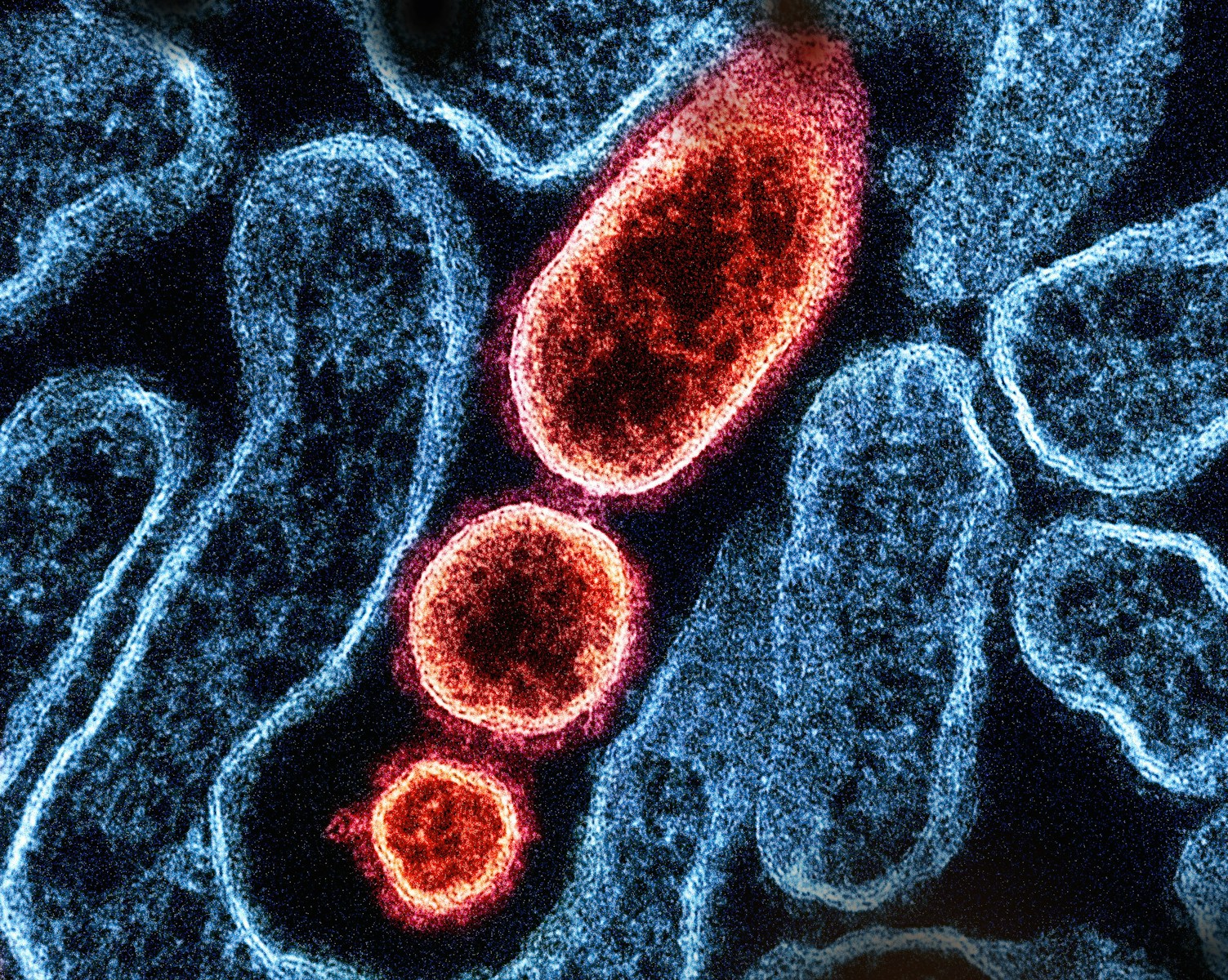
a close up of a blood cell with red blood cells

Scientists have discovered a novel biological metabolism called Microbial Iron Oxide Respiration Coupled to Sulfide Oxidation (MISO). Specifically, this process links the global sulfur and iron cycles in oxygen-free environments. Moreover, diverse prokaryotes catalyze this process, which researchers previously considered strictly abiotic.

Microorganisms have Earth’s sulfur cycle since life emerged. However, scientists incompletely understand how these organisms integrate sulfur cycling with other element cycles. For instance, in anoxic environments like marine sediments and wetlands, sulfide interacts with ferric oxyhydroxides and iron(III) oxides. Indeed, this interaction represents a major biogeochemical process. Traditionally, researchers modeled this as a purely chemical reaction. Consequently, the reaction produces elemental sulfur (S(0)) and FeS.

Genomic Diversity and Metabolic Pathways

To comprehensively assess microbial sulfur metabolism, researchers established a computational framework. They conducted phylogenetic analysis of 116 proteins involved in sulfur redox transformations. These proteins occur across bacterial and archaeal genomes. Subsequently, the analysis revealed widespread sulfur-cycling capability. In fact, more than half of the analyzed species possess this capability. These species represent 120 (80.5%) of 149 known bacterial and archaeal phyla.

Furthermore, the findings are particularly striking for uncultured microorganisms. Scientists found 5,561 species with sulfur-cycling potential across 71 phyla. Notably, genomes from uncultured microorganisms exclusively represent these species.

ADVERTISEMENT

Meanwhile, metabolic reconstructions predicted MISO potential across 37 prokaryotic phyla. Importantly, researchers identified three pathways that link dissimilatory reduction of solid phase extracellular iron(III) oxides with sulfur oxidation:

READ ALSO

Fossil Penguins From New Zealand Reveal Stages of the Birds’ Long Evolutionary History

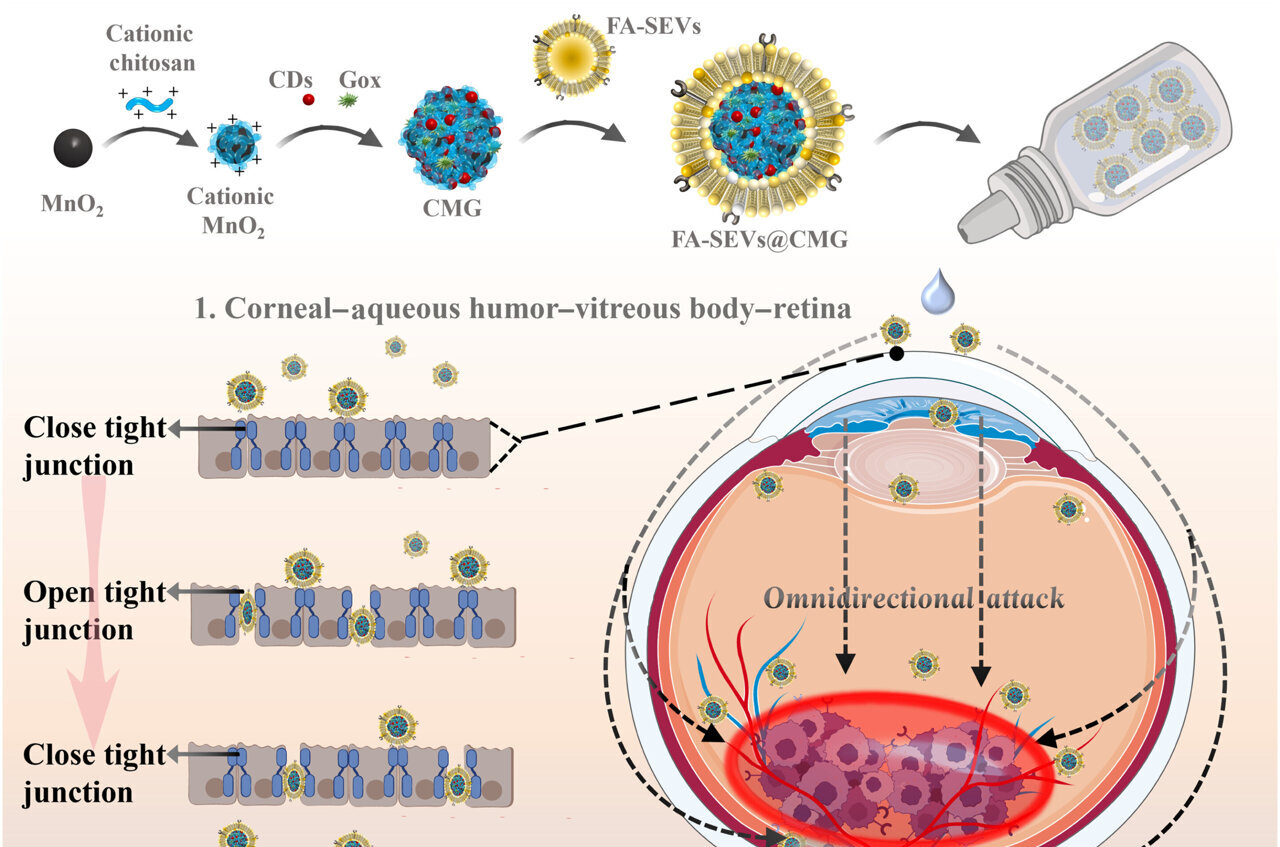
Pig Semen-Derived Exosomes Deliver Cancer Treatment to Mouse Retinas via Eye Drops

  1. First, members of Desulfurivibrionaceae couple iron(III) reduction to the oxidation of sulfide to sulfate (Reaction 1).
  2. Second, two uncultured Rhodoferax species couple iron(III) reduction to the oxidation of sulfide to elemental sulfur (Reaction 2). Additionally, they utilize sulfide:quinone oxidoreductase (Sqr) and the MtrCAB complex for extracellular respiration.
  3. Third, known thiosulfate oxidizers couple iron(III) reduction to the oxidation of thiosulfate to sulfate (Reaction 3).

Remarkably, thermodynamic modeling demonstrated that all three MISO reactions yield sufficient energy. For example, sulfide oxidation provides -20 to -40 kJ per mole electron. Therefore, this energy supports microbial growth even under alkaline conditions. Such conditions prevail in natural settings like freshwater and marine sediment.

ADVERTISEMENT

Experimental Validation in Desulfurivibrio alkaliphilus

Given the ubiquitous co-occurrence of sulfide and iron(III) oxides in ecosystems, the study prioritized experimental validation of Reaction 1. Researchers chose the cultivated representative D. alkaliphilus for this purpose. Initially, scientists confirmed that D. alkaliphilus can reduce extracellular solid iron(III) oxides (ferrihydrite). Specifically, the bacterium uses formate as an electron donor.

ADVERTISEMENT

Crucially, D. alkaliphilus grows autotrophically by oxidizing both dissolved sulfide and poorly crystalline iron monosulfide (FeS) to sulfate. Simultaneously, it reduces ferrihydrite. When researchers supplied FeS and ferrihydrite, they calculated the ratio of sulfate to Fe(II) formation. This ratio approached the predicted 1:8 stoichiometry for Reaction 1. Thus, the bacterium oxidizes FeS-sulfide to sulfate by reducing ferrihydrite.

Moreover, the experiment with dissolved sulfide and ferrihydrite revealed that sulfate formation requires biological activity. In particular, ferrihydrite is essential for this process. Indeed, biological oxidation contributes to sulfate formation beyond chemical oxidation. Chemical oxidation followed by microbial disproportionation of resultant S(0) cannot explain the observed sulfate levels.

Subsequently, researchers tracked sulfide consumption kinetics at environmentally relevant low concentrations (approximately 50 µM). They confirmed that MISO outpaces the chemical reaction rate between sulfide and ferrihydrite. Furthermore, D. alkaliphilus exhibited biphasic sulfate formation. The culture showed a high rate only when dissolved sulfide was present (Phase I). This indicates direct biological sulfide oxidation with ferrihydrite. Additionally, the culture showed significant cell growth when using ferrihydrite with either sulfide or FeS. Ultimately, carbon-13 bicarbonate labeling experiments confirmed a chemoautotrophic lifestyle.

Mechanistic Insights via Transcriptomics

Comparative transcriptomics revealed differential activity of candidate genes during MISO. Specifically, researchers hypothesize that sulfide oxidation occurs primarily through the reversal of the canonical dissimilatory sulfate reduction pathway (reverse Dsr pathway). Notably, related organisms show consistent observations. Key enzymes for this pathway include Sat, AprAB, and DsrAB. These enzymes showed substantial transcription during MISO growth. Often, their expression was significantly upregulated.

In addition, a network of Multi-Haem Cytochromes (MHCs) facilitates Extracellular Electron Transfer (EET). Electrons flow from sulfide-derived sources to ferrihydrite. Thirteen MHC genes showed upregulation under ferrihydrite-amended conditions. Interestingly, the most highly transcribed extracellular MHC shares structural homology with OmcS from Geobacter. This suggests it forms a conduit for channeling electrons to insoluble extracellular iron(III) oxides. Meanwhile, genes involved in the Wood-Ljungdahl pathway showed high transcription. This supports the observed autotrophic carbon fixation.

Ecological and Biogeochemical Importance

The discovery of MISO expands our understanding of sulfide oxidation pathways. Notably, the process relies on solid phase iron(III) oxides. These oxides are prevalent in mildly acidic to mildly alkaline habitats. Furthermore, the genomic potential for MISO represents a conserved trait within the Desulfurivibrionaceae family. Members of this family inhabit diverse global ecosystems. These include marine sediments and aquifers. Therefore, this suggests MISO holds biogeochemical relevance in these environments.

Significantly, MISO offers a mechanism to bypass the need for S(0) disproportionation in sulfate formation. It uniquely acts on FeS-sulfide, which remains chemically inert towards iron(III) oxides. Moreover, by exploiting sulfide’s reducing power, MISO helps overcome thermodynamic limitations. These limitations affect canonical iron reduction in alkaline environments.

Overall, the significance of MISO is considerable. It could potentially account for 1–7% of total sulfide oxidation to sulfate in marine sediments globally. Consequently, MISO fundamentally modulates the sulfur and iron cycles. Ultimately, this impacts Earth’s biogeochemistry and climate.

REFERENCES

NATURE PUBLICATION

Microbial iron oxide respiration coupled to sulfide oxidation
  • Share on WhatsApp (Opens in new window) WhatsApp
  • Share on Facebook (Opens in new window) Facebook
  • Share on Reddit (Opens in new window) Reddit
  • Share on X (Opens in new window) X
  • Print (Opens in new window) Print
Shibasis Rath

Shibasis Rath

"𝓒𝓸𝓷𝓷𝓮𝓬𝓽𝓲𝓷𝓰 𝓡𝓮𝓼𝓮𝓪𝓻𝓬𝓱 𝓣𝓸 𝓡𝓮𝓪𝓵𝓲𝓽𝔂" 𝓲𝓼𝓷'𝓽 𝓙𝓾𝓼𝓽 𝓪 𝓜𝓸𝓽𝓽𝓸 - 𝓘𝓽'𝓼 𝓜𝔂 𝓜𝓲𝓼𝓼𝓲𝓸𝓷

Related Posts

The oldest penguin species yet discovered, Daniadyptes primaevus, was a flightless bird that spent much of its time in the ocean, just like modern penguins. However, fossil evidence of the species’ long beaks suggests that it used hunting practices more like those of modern seabirds, such as cormorants, which stay near the water’s surface because they cannot swallow their prey underwater. Traces of the many varieties of ancient penguins that lived in New Zealand are al- lowing paleontologists to track their evolution into the semiaquatic birds found today.
DISCOVERIES

Fossil Penguins From New Zealand Reveal Stages of the Birds’ Long Evolutionary History

May 1, 2026
Pig Semen-Derived Exosomes Deliver Cancer Treatment to Mouse Retinas via Eye Drops
CANCER

Pig Semen-Derived Exosomes Deliver Cancer Treatment to Mouse Retinas via Eye Drops

April 2, 2026
Doolysaurus Huhmini: First New Dinosaur Species Discovered in South Korea in 15 Years
DISCOVERIES

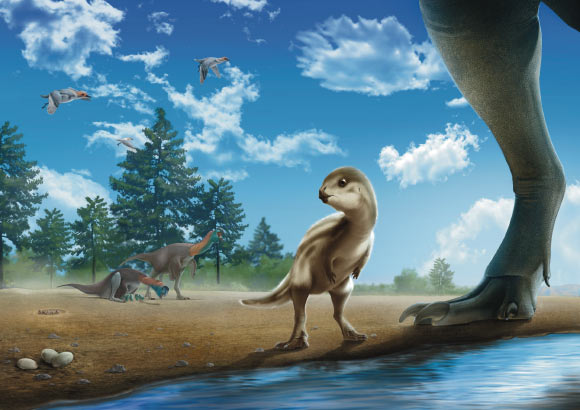
Doolysaurus Huhmini: First New Dinosaur Species Discovered in South Korea in 15 Years

March 20, 2026

POPULAR NEWS

Chewing gum releases thousands of microplastic particles directly into your mouth with every piece you chew

Chewing gum releases thousands of microplastic particles directly into your mouth with every piece you chew

by Shibasis Rath
May 8, 2026
0

Microplastics are turning up in places researchers never expected: deep-sea sediments, Arctic ice, and human blood. Now, a UCLA pilot...

New Studys Says Gen Z is the least sexually active young cohort in modern recorded history

New Studys Says Gen Z is the least sexually active young cohort in modern recorded history

by Shibasis Rath
January 24, 2026
0

A generation that grew up with dating apps in their pockets, pornography a tap away, and sex discussed more openly...

Yelling Isn’t Just Yelling: How a Hostile Home Rewires a Child’s Brain for Constant Alert

Yelling Isn’t Just Yelling: How a Hostile Home Rewires a Child’s Brain for Constant Alert

by Shibasis Rath
March 8, 2026
0

To a parent in the heat of the moment, a raised voice may feel like simple frustration. To a child...

a group of gen Z kids walking down a street

Is Gen Z the First Generation Less Intelligent Than Their Parents?

by Shibasis Rath
February 5, 2026
0

Gen Z intelligence decline is emerging as a serious concern among neuroscientists and education researchers. For over a century, each...

Whole Brain Emulation Achieved: Scientists Run a Fruit Fly Brain in Simulation

by Shibasis Rath
March 9, 2026
0

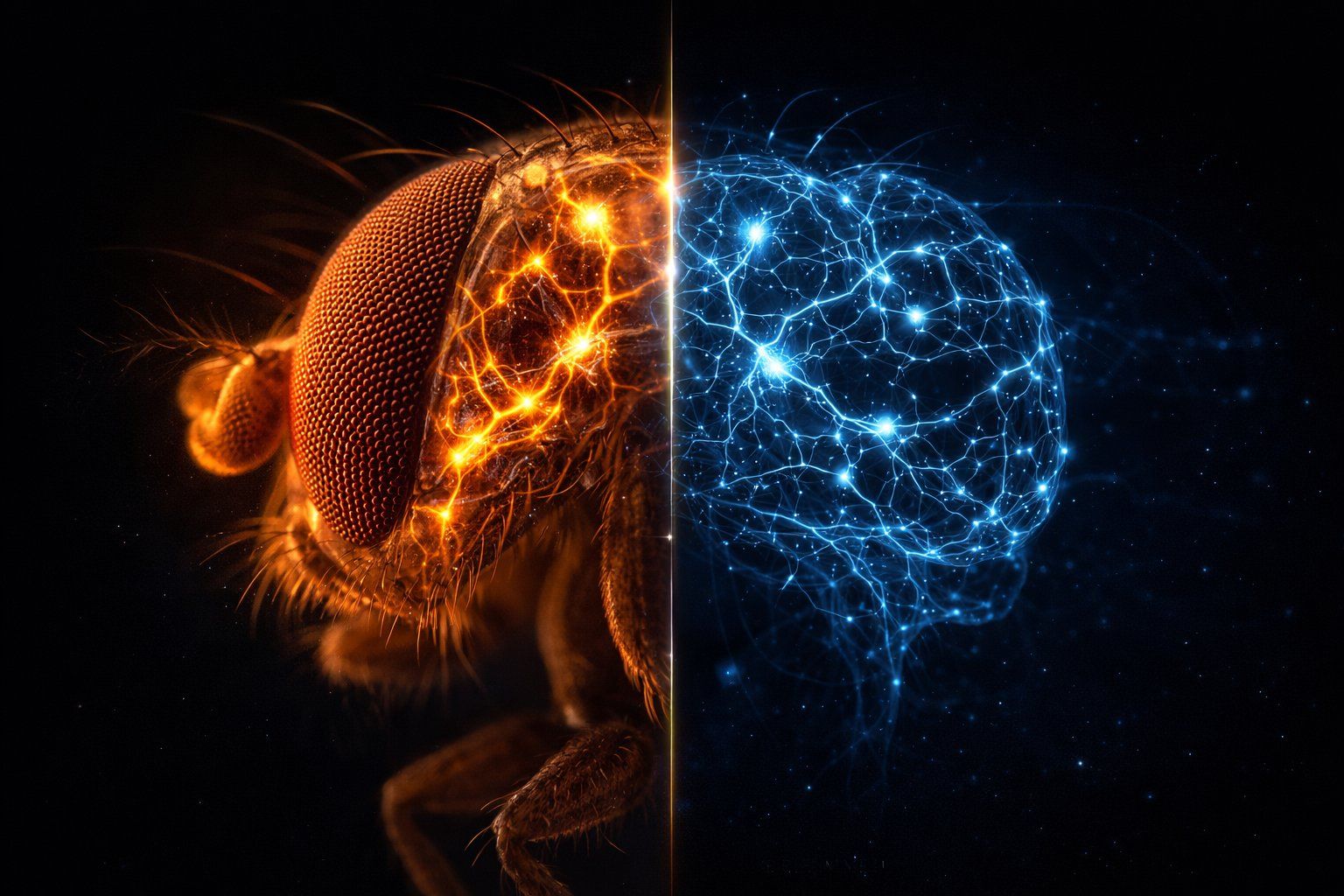
Scientists have copied an entire biological brain neuron by neuron and synapse by synapse and made it control a simulated...

EDITOR CHOICE‘S

  • All
  • NEWS
  • SPOTLIGHTS
Step-Synchronized Brain Stimulation Reduces Falls in Small Parkinson’s Trial

Step-Synchronized Brain Stimulation Reduces Falls in Small Parkinson’s Trial

by Staff Writer
June 16, 2026
0

Researchers have reported encouraging results from a small feasibility study testing a new form of adaptive deep brain stimulation (aDBS)...

A Father’s Touch in Infancy Can Shape a Child’s Health for Years, New Science Explains Why

A Father’s Touch in Infancy Can Shape a Child’s Health for Years, New Science Explains Why

by Staff Writer
June 9, 2026
0

A study from Penn State University has revealed something startling beneath that simplicity those early interactions carry biological consequences that...

MutExpress

South Asian Patients Have Been Left Out of Cancer Genomics for Decades & MutExpress-India Is Changing That

by Staff Writer
June 8, 2026
0

The databases that underpin modern cancer genomics have a geography problem. The gnomAD database the gold standard for allele frequency...

Biodiversity Loss

Biodiversity Loss Could Bankrupt Nations And Wall Street Hasn’t Noticed Yet

by Staff Writer
June 5, 2026
0

Every year, governments borrow trillions of dollars to function. The interest rate they pay depends almost entirely on their credit...

ADVERTISEMENT

RathBiotaClan – RBC

RathBiotaClan – Connecting Research To Reality

Your trusted source for life science news, biology research & discoveries. Covering neuroscience, genetics, ecology, and more — connecting research to reality.

About Us

Privacy Policies

Contact Us

Editorial Standard

Latest Posts

  • Step-Synchronized Brain Stimulation Reduces Falls in Small Parkinson’s Trial
  • A Father’s Touch in Infancy Can Shape a Child’s Health for Years, New Science Explains Why
  • South Asian Patients Have Been Left Out of Cancer Genomics for Decades & MutExpress-India Is Changing That
  • Biodiversity Loss Could Bankrupt Nations And Wall Street Hasn’t Noticed Yet

SHIBASIS RATH

Contact Mail

rathbiotaclan@gmail.com

No Result
View All Result
MSME (Udyam) Certified Science Platform
Govt. of India

Get Us On PlayStore

playstore app for rathbiotaclan
  • About Us
  • Advertise With Us
  • Cancellation and Refund Policy
  • Contact Us
  • Contribute
  • Editorial Standards
  • Home
  • Pricing Details
  • Privacy Policies
  • Shipping Policy
  • Terms & Conditions

© 2026 RathBiotaClan. All rights reserved.

Welcome Back!

Sign In with Google
OR

Login to your account below

Forgotten Password? Sign Up

Create New Account!

Sign Up with Google
OR

Fill the forms below to register

*By registering into our website, you agree to the Terms & Conditions and Privacy Policy.
All fields are required. Log In

Retrieve your password

Please enter your username or email address to reset your password.

Log In

Add New Playlist

No Result
View All Result
  • HOME
  • HEALTH SCIENCE
  • NEUROSCIENCE
    • PHYSIOLOGY
    • IMMUNOLOGY
    • CANCER
  • DISCOVERIES
    • SPOTLIGHTS
    • STUDENT PORTAL
    • SCIENCE FEATURED
  • MOLECULAR BIOLOGY
    • GENETICS
    • BIOTECHNOLOGY
    • BIOINFORMATICS
    • BIOCHEMISTRY
    • BIOPHYSICS
  • ZOOLOGY & ECOLOGY
    • ENVIRONMENTAL SCIENCE
    • ECOLOGY
    • EVOLUTION
  • MICRO & PLANT SCIENCE
    • MICROBIOLOGY
    • CELL BIOLOGY
    • DEVELOPMENTAL BIOLOGY
  • PSYCHOLOGY
  • Login
  • Sign Up
SAVED POSTS

© 2026 RathBiotaClan. All rights reserved.

This website uses cookies. By continuing to use this website you are giving consent to cookies being used. Visit our Privacy and Cookie Policy.