




Monday, May 18, 2026
SAVED POSTS
  • Login
  • Register
RathBiotaClan
No Result
View All Result
  • HOME
  • HEALTH SCIENCE

    TRENDING ON HEALTH (TOP)

    Cycling Linked to Lower Dementia Risk in Study of Nearly 480,000 Adults

    First oral GLP-1 weight-loss pill approved a new era for accessible treatment

    Chewing gum releases thousands of microplastic particles directly into your mouth with every piece you chew

    Single-Cell Study of Over a Million Immune Cells Reveals Why Women Are More Prone to Autoimmune Disease

    NOW ON AIR (RBC)

    A new study has found that men’s brains shrink faster than women’s as they age.
    NEUROSCIENCE

    12,638 MRI Scans Confirm Men’s Brains Shrink Faster in PNAS Study

    May 14, 2026
    ENVIRONMENTAL SCIENCE

    Volcanic Eruptions Can Destroy Their Own Methane — Tonga’s Plume Shows How

    May 13, 2026
    3 men standing on rocky shore during daytime
    MOLECULAR BIOLOGY

    For Future Space Missions, Molecular Ecology Finally Offers a Clear Biosignature Target

    May 12, 2026
    Babies Yawn in the Womb
    DEVELOPMENTAL BIOLOGY

    Scientists Say Babies May Learn to Yawn Before Birth

    May 11, 2026
  • NEUROSCIENCE
    • PHYSIOLOGY
    • IMMUNOLOGY
    • CANCER
  • DISCOVERIES
    • SPOTLIGHTS
    • STUDENT PORTAL
    • SCIENCE FEATURED
  • MOLECULAR BIOLOGY
    • GENETICS
    • BIOTECHNOLOGY
    • BIOINFORMATICS
    • BIOCHEMISTRY
    • BIOPHYSICS
  • ZOOLOGY & ECOLOGY
    • ENVIRONMENTAL SCIENCE
    • ECOLOGY
    • EVOLUTION
  • MICRO & PLANT SCIENCE
    • MICROBIOLOGY
    • CELL BIOLOGY
    • DEVELOPMENTAL BIOLOGY
  • PSYCHOLOGY
RathBiotaClan
RathBiotaClan
No Result
View All Result
Home ECOLOGY

Mosquito DNA Reveals Hidden Biodiversity Across Florida’s DeLuca Preserve

Shibasis Rath by Shibasis Rath
January 26, 2026
in ECOLOGY, ENVIRONMENTAL SCIENCE, MOLECULAR BIOLOGY, SCIENCE FEATURED, ZOOLOGY
Reading Time: 4 mins read
0
A A
0
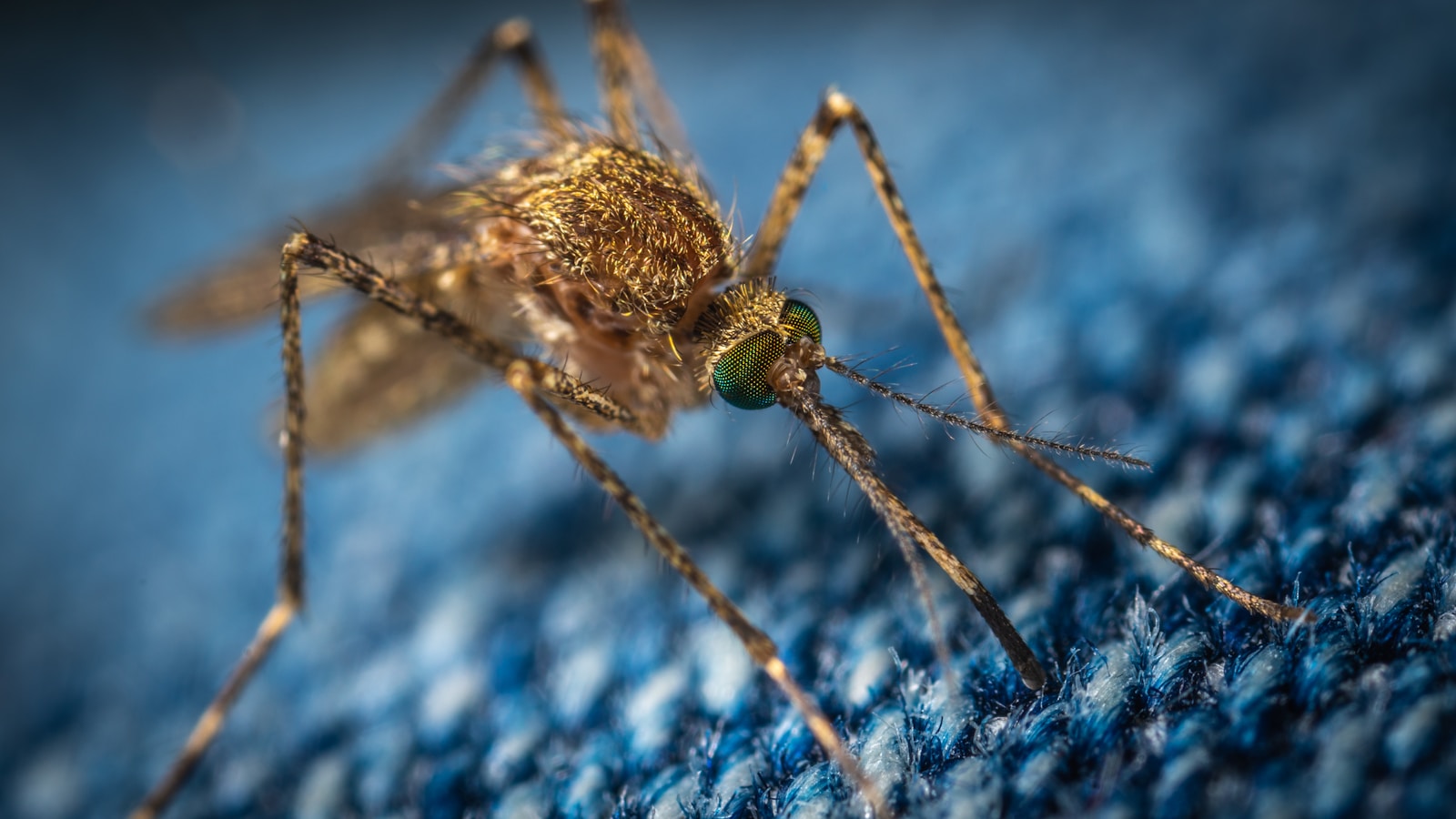
brown mosquito

In a study published in Scientific Reports, researchers have found a highly effective, non-invasive method for monitoring biodiversity at the DeLuca Preserve in Osceola County, Florida. Spanning approximately 10,900 hectares, this preserve is a vital corridor for native and imperiled wildlife, yet traditional survey methods such as camera traps or direct observation are often limited by cost, labor, and taxonomic requirements. To overcome these hurdles, the research team investigated the use of invertebrate-derived DNA (iDNA) by analyzing the blood meals of local mosquitoes to detect a wide array of vertebrate species. This approach leverages the mosquito’s natural role as an “automated sampler” of the surrounding biological community, offering a snapshot of terrestrial life that is often missed by conventional surveying techniques.

The researchers conducted their field work over an eight-month period from January to August 2022, targeting four distinct habitats: forests, wetlands, Florida scrub, and citrus groves. To maximize the collection of blood-fed females, the team utilized large-diameter aspirators and resting shelters, which are specifically designed to capture mosquitoes as they digest their meals in shaded areas. Throughout the study, 54,637 mosquitoes were collected, with 3,508 (6.4%) identified as blood-fed. To preserve the genetic data, the blood meals were rolled onto Whatman FTA Classic Cards, and the team employed DNA barcoding to target the cytochrome c oxidase subunit I (COI) gene of vertebrates. The success of host identification was closely tied to the level of digestion, with “fresh” (BF1) blood meals yielding a 90% identification rate, while highly digested (BF3) samples dropped to just under 20%.
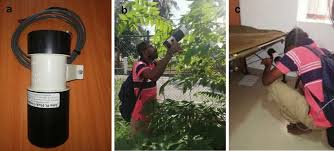
Prokopack aspirator (a vacuum-like device) to collect mosquitoes from a black, cylindrical resting shelter placed under dense vegetation

The results of this study were remarkably expansive, as the analysis of 2,051 blood meals across 21 mosquito species successfully detected 86 different vertebrate species. This assemblage represented all four terrestrial vertebrate classes and 22 different orders, including animals with diverse biological traits—ranging from nocturnal and diurnal to migratory, fossorial, and arboreal. Among the 86 species were 7 amphibians (all anurans), 57 birds (led by songbirds), 14 mammals, and 8 reptiles. Notably, the survey detected imperiled species like the gopher tortoise, as well as invasive species like the Cuban treefrog, and cryptic animals such as the American woodcock and barred owl. Four host species the white-tailed deer, green anole, wild turkey, and barred owl accounted for a significant portion of the detections, highlighting the dominance of a few common species within the preserve’s ecosystem.
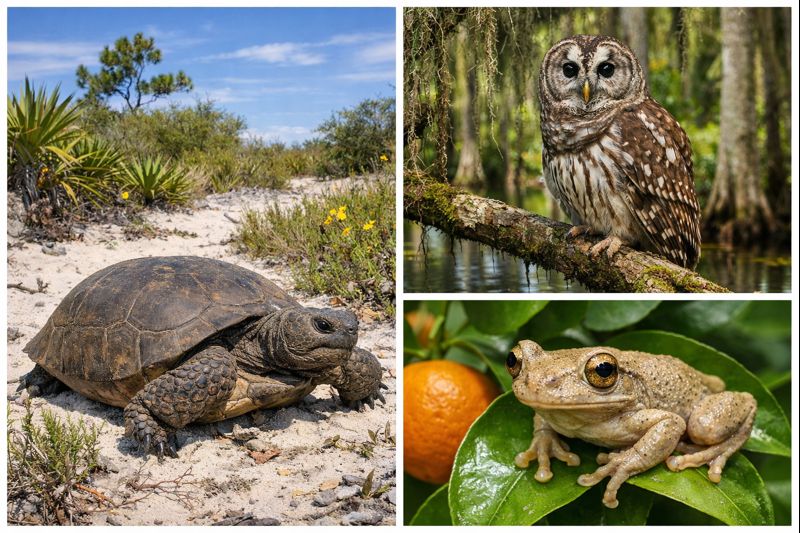
A collage featuring a Gopher Tortoise in the Florida scrub, a Barred Owl in a wetland forest, and a Cuban Treefrog on a citrus leaf.
Image: A collage featuring a Gopher Tortoise in the Florida scrub, a Barred Owl in a wetland forest, and a Cuban Treefrog on a citrus leaf.

A critical discovery of the research was that mosquito species do not contribute equally to biodiversity detection, leading the team to develop a metric known as “host detection efficiency“. This value represents the number of host species detected relative to the number of blood meals analyzed for a specific mosquito species. Culiseta melanura emerged as the most efficient sampler with a score of 7.47, specializing in avian hosts and detecting 28 different vertebrate species. Culex nigripalpus, the most abundant mosquito in the study, detected the highest richness with 63 host species, maintaining a high efficiency of 3.89. In contrast, species like Psorophora columbiae were found to be narrow specialists, with 91.3% of its blood meals derived from white-tailed deer, making them less useful for broad biodiversity characterization.

ADVERTISEMENT

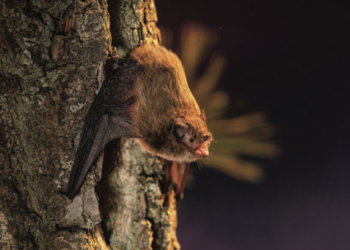
While mosquito-based iDNA provides a powerful tool for non-invasive monitoring, the researchers noted certain limitations and requirements for future applications. The study suggested that large sample sizes are necessary to overcome undersampling bias and detect rare or “singleton” species, as species accumulation curves for birds and reptiles had not yet reached an asymptote. Furthermore, certain groups such as fully aquatic animals, strictly fossorial species (like the Florida worm lizard), and bats remained largely undetected, likely because they do not frequently interact with host-seeking mosquitoes. The report concludes that for conservation efforts to be optimized, surveyors should target mosquito species with high host detection efficiency and utilize sampling methods tailored to the local mosquito community’s resting behaviors.

READ ALSO

Volcanic Eruptions Can Destroy Their Own Methane — Tonga’s Plume Shows How

For Future Space Missions, Molecular Ecology Finally Offers a Clear Biosignature Target

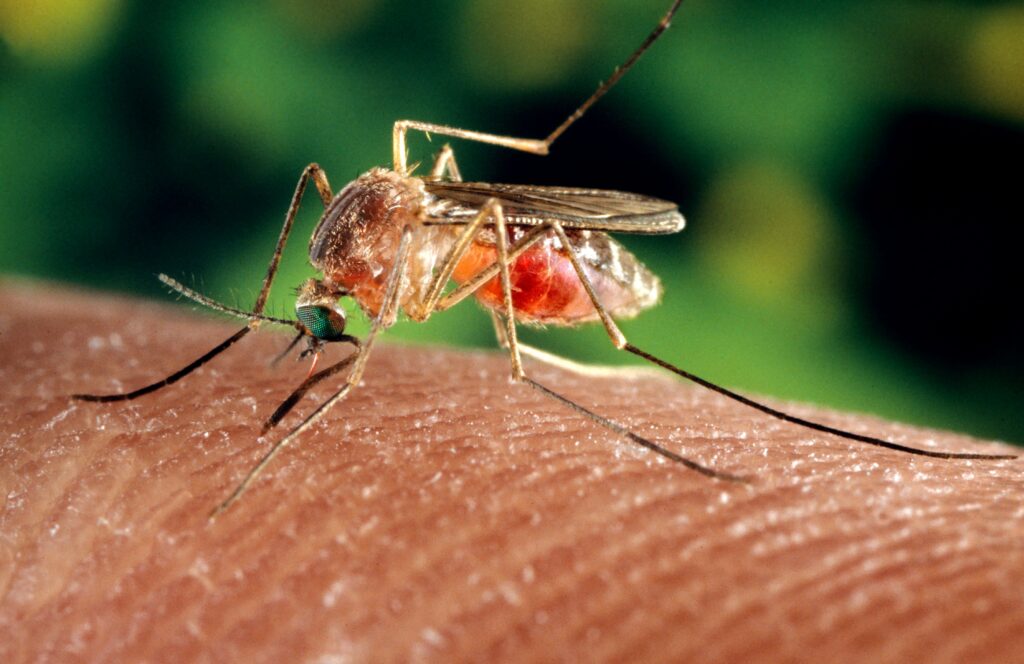
view of a Culiseta melanura mosquito, known for its long, curved proboscis and dark scales
Image: View of a Culiseta melanura mosquito, known for its long, curved proboscis and dark scales

REFERENCE:

Monitoring biodiversity and detection of diverse vertebrate species with mosquito blood meal analysis at the DeLuca Preserve, Florida, USA

ADVERTISEMENT
ADVERTISEMENT
  • Share on WhatsApp (Opens in new window) WhatsApp
  • Share on Facebook (Opens in new window) Facebook
  • Share on Reddit (Opens in new window) Reddit
  • Share on X (Opens in new window) X
  • Print (Opens in new window) Print
Shibasis Rath

Shibasis Rath

"𝓒𝓸𝓷𝓷𝓮𝓬𝓽𝓲𝓷𝓰 𝓡𝓮𝓼𝓮𝓪𝓻𝓬𝓱 𝓣𝓸 𝓡𝓮𝓪𝓵𝓲𝓽𝔂" 𝓲𝓼𝓷'𝓽 𝓙𝓾𝓼𝓽 𝓪 𝓜𝓸𝓽𝓽𝓸 - 𝓘𝓽'𝓼 𝓜𝔂 𝓜𝓲𝓼𝓼𝓲𝓸𝓷

Related Posts

Volcanic Eruptions Can Destroy Their Own Methane — Tonga’s Plume Shows How
ENVIRONMENTAL SCIENCE

Volcanic Eruptions Can Destroy Their Own Methane — Tonga’s Plume Shows How

May 13, 2026
3 men standing on rocky shore during daytime
MOLECULAR BIOLOGY

For Future Space Missions, Molecular Ecology Finally Offers a Clear Biosignature Target

May 12, 2026
Babies Yawn in the Womb
DEVELOPMENTAL BIOLOGY

Scientists Say Babies May Learn to Yawn Before Birth

May 11, 2026

POPULAR NEWS

Chewing gum releases thousands of microplastic particles directly into your mouth with every piece you chew

Chewing gum releases thousands of microplastic particles directly into your mouth with every piece you chew

by Shibasis Rath
May 8, 2026
0

Microplastics are turning up in places researchers never expected: deep-sea sediments, Arctic ice, and human blood. Now, a UCLA pilot...

Yelling Isn’t Just Yelling: How a Hostile Home Rewires a Child’s Brain for Constant Alert

Yelling Isn’t Just Yelling: How a Hostile Home Rewires a Child’s Brain for Constant Alert

by Shibasis Rath
March 8, 2026
0

To a parent in the heat of the moment, a raised voice may feel like simple frustration. To a child...

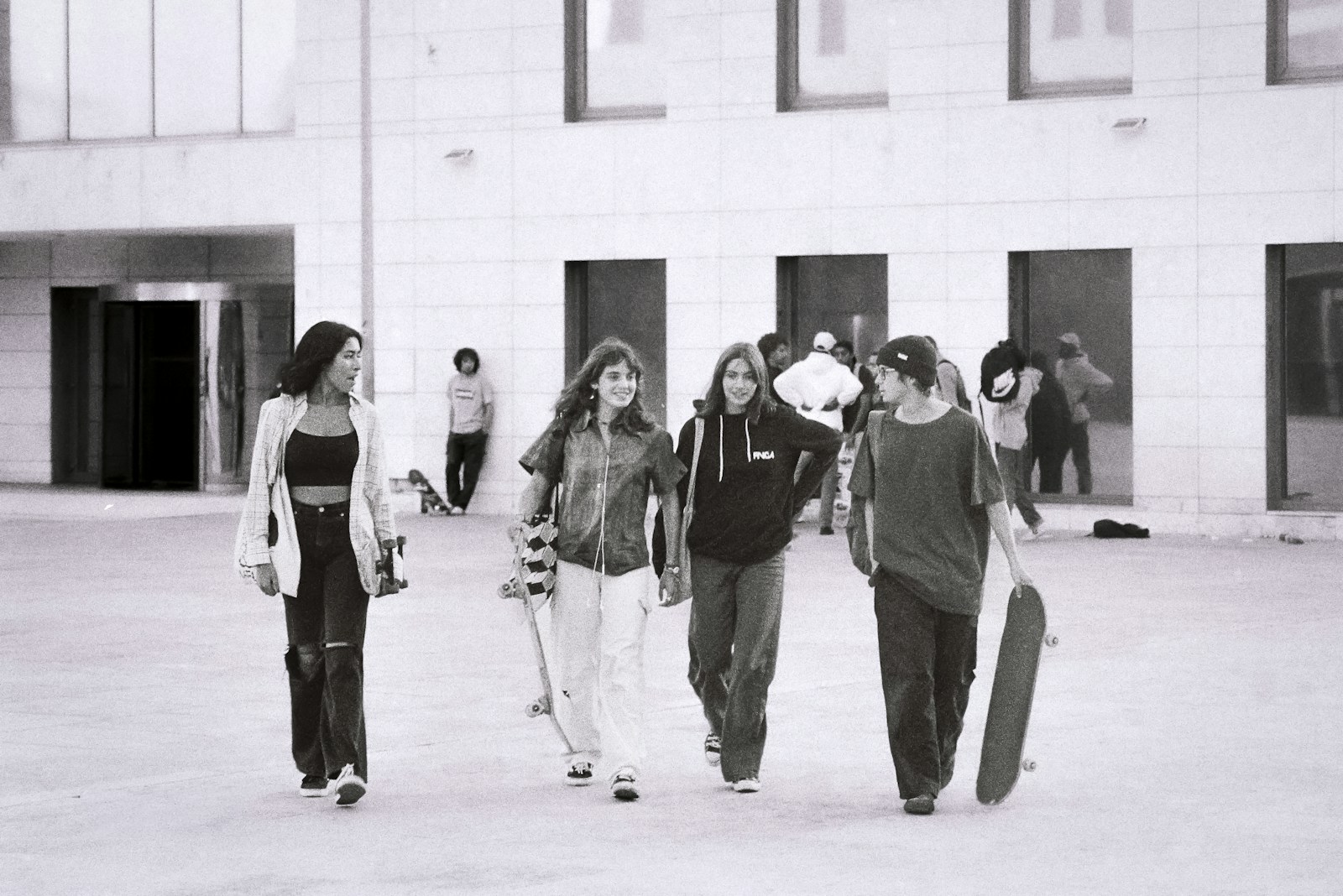
a group of gen Z kids walking down a street

Is Gen Z the First Generation Less Intelligent Than Their Parents?

by Shibasis Rath
February 5, 2026
0

Gen Z intelligence decline is emerging as a serious concern among neuroscientists and education researchers. For over a century, each...

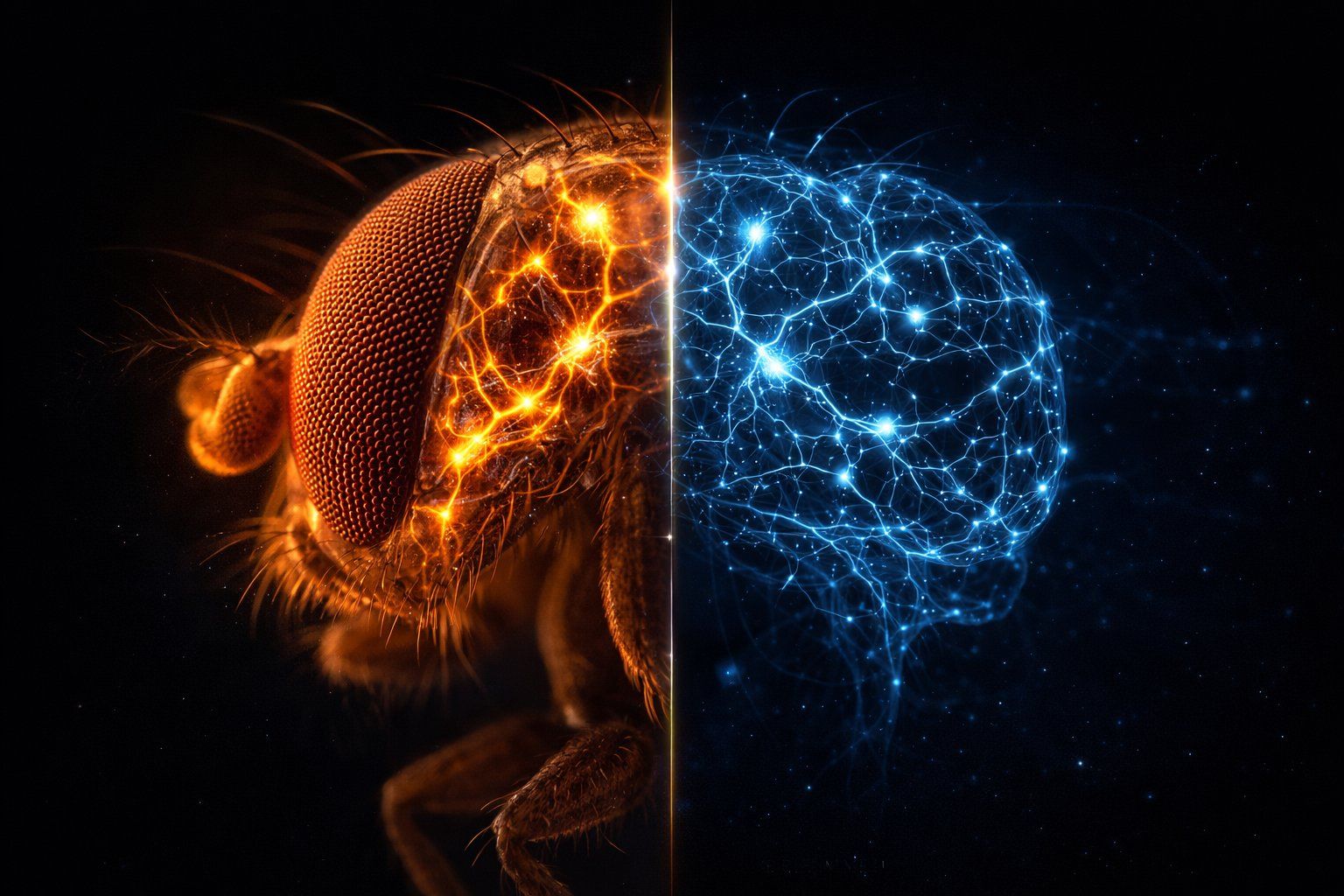
Whole Brain Emulation Achieved: Scientists Run a Fruit Fly Brain in Simulation

by Shibasis Rath
March 9, 2026
0

Scientists have copied an entire biological brain neuron by neuron and synapse by synapse and made it control a simulated...

Global Sperm Counts Have Dropped 50% in 50 Years Now 128 Men Are Racing Their Way to a $100,000 Prize to Prove the Point

Global Sperm Counts Have Dropped 50% in 50 Years Now 128 Men Are Racing Their Way to a $100,000 Prize to Prove the Point

by Staff Writer
May 5, 2026
0

A group of technology entrepreneurs is staging a competitive event in San Francisco in which semen samples from 128 men...

EDITOR CHOICE‘S

  • All
  • NEWS
  • SPOTLIGHTS
A new study has found that men’s brains shrink faster than women’s as they age.

12,638 MRI Scans Confirm Men’s Brains Shrink Faster in PNAS Study

by Staff Writer
May 14, 2026
0

A large-scale analysis of brain scans taken over time has found that men's brains shrink faster than women's across a...

Volcanic Eruptions Can Destroy Their Own Methane — Tonga’s Plume Shows How

Volcanic Eruptions Can Destroy Their Own Methane — Tonga’s Plume Shows How

by Shibasis Rath
May 13, 2026
0

A study published in Nature Communications analyzed the Hunga Tonga-Hunga Ha'apai volcano eruption's impact on methane in the atmosphere. It...

3 men standing on rocky shore during daytime

For Future Space Missions, Molecular Ecology Finally Offers a Clear Biosignature Target

by Shibasis Rath
May 12, 2026
0

When the next generation of probes scoops up dust from the icy shell of Europa or the surface of Mars,...

Babies Yawn in the Womb

Scientists Say Babies May Learn to Yawn Before Birth

by Shibasis Rath
May 11, 2026
0

Mothers can spread yawns to their yet-to-be-born offspring during pregnancy, researchers report May 5 in Current Biology  the first empirical evidence...

ADVERTISEMENT

RathBiotaClan – RBC

RathBiotaClan – Connecting Research To Reality

Your trusted source for life science news, biology research & discoveries. Covering neuroscience, genetics, ecology, and more — connecting research to reality.

Privacy Policies

Contact Us

About Us

Editorial Standards

Latest Posts

  • 12,638 MRI Scans Confirm Men’s Brains Shrink Faster in PNAS Study
  • Volcanic Eruptions Can Destroy Their Own Methane — Tonga’s Plume Shows How
  • For Future Space Missions, Molecular Ecology Finally Offers a Clear Biosignature Target
  • Scientists Say Babies May Learn to Yawn Before Birth

SHIBASIS RATH

Contact Mail

rathbiotaclan@gmail.com

No Result
View All Result
MSME (Udyam) Certified Science Platform
Govt. of India

Get Us On PlayStore

playstore app for rathbiotaclan
  • About Us
  • Advertise With Us
  • Cancellation and Refund Policy
  • Contact Us
  • Contribute
  • Editorial Standards
  • Home
  • Pricing Details
  • Privacy Policies
  • Shipping Policy
  • Terms & Conditions

© 2026 RathBiotaClan. All rights reserved.

Welcome Back!

Sign In with Google
OR

Login to your account below

Forgotten Password? Sign Up

Create New Account!

Sign Up with Google
OR

Fill the forms bellow to register

*By registering into our website, you agree to the Terms & Conditions and Privacy Policy.
All fields are required. Log In

Retrieve your password

Please enter your username or email address to reset your password.

Log In

Add New Playlist

No Result
View All Result
  • HOME
  • HEALTH SCIENCE
  • NEUROSCIENCE
    • PHYSIOLOGY
    • IMMUNOLOGY
    • CANCER
  • DISCOVERIES
    • SPOTLIGHTS
    • STUDENT PORTAL
    • SCIENCE FEATURED
  • MOLECULAR BIOLOGY
    • GENETICS
    • BIOTECHNOLOGY
    • BIOINFORMATICS
    • BIOCHEMISTRY
    • BIOPHYSICS
  • ZOOLOGY & ECOLOGY
    • ENVIRONMENTAL SCIENCE
    • ECOLOGY
    • EVOLUTION
  • MICRO & PLANT SCIENCE
    • MICROBIOLOGY
    • CELL BIOLOGY
    • DEVELOPMENTAL BIOLOGY
  • PSYCHOLOGY
  • Login
  • Sign Up
SAVED POSTS

© 2026 RathBiotaClan. All rights reserved.

This website uses cookies. By continuing to use this website you are giving consent to cookies being used. Visit our Privacy and Cookie Policy.