





IMPACT OF PLASTIC POLLUTION IN MARINE LIFE
Annually, around more than 15 million tonnes of plastic are released into the ocean, with a truckload of plastic entering the sea every minute. If this pattern continues, experts warn that by 2050, the quantity of plastic in our oceans may outnumber the fish from the marine world….
Plastic Pollution and Its Toll on Marine Life
In the heart of our oceans, a silent crisis unfolds—one that threatens not only marine life but the intricate balance of our planet’s ecosystems. Plastic pollution, an issue once relegated to distant headlines, has now infiltrated every corner of the globe, revealing the staggering extent of its impact on marine life and beyond.
The Ocean’s Plastic Plague
The ocean, our planet’s largest and most vital ecosystem, is suffocating under a blanket of plastic waste. From the towering peaks of Mount Everest to the deepest abyss of the Mariana Trench, plastic debris has found its way into every environment. Once plastic enters the ocean, it becomes a persistent and pervasive threat. Ocean currents and storms transport plastic waste across vast distances, creating floating garbage patches and contaminating remote shorelines.
The durability of plastic, designed to withstand the rigors of human use, means that once it enters marine environments, it can persist for centuries. Over time, plastic breaks down into microplastics—tiny particles smaller than a grain of sand. These microplastics are nearly impossible to retrieve and pose a significant threat to marine life, infiltrating even the most pristine waters.
The Impact on Marine Species
The effects of plastic pollution on marine species are profound and multifaceted. Large marine mammals, such as whales and dolphins, are especially vulnerable. Ghost fishing gear—abandoned or discarded fishing nets and ropes—often ensnares and kills these majestic creatures. Each year, an estimated 300,000 whales, dolphins, and porpoises fall victim to this silent killer. In 2019, a whale was discovered with 40 kilograms of plastic waste in its stomach, highlighting the severe impact of plastic ingestion.
But it’s not just the giants of the ocean that suffer. Sea turtles, seabirds, and fish are equally at risk. Seabirds, for instance, often mistake floating plastic debris for food, leading to starvation and death as their stomachs fill with indigestible material. Similarly, marine turtles ingest plastic bags and other waste, causing blockages and internal injuries. The ingestion of plastic by fish not only endangers individual species but also has cascading effects on the entire marine food web.
They often mistake plastic bags and other debris for jellyfish, a primary food source. Ingested plastics can cause blockages in the digestive tract, leading to malnutrition, starvation, or even death.
For instance, the leatherback sea turtle, which primarily feeds on jellyfish, is frequently found with plastic waste in its stomach.
Sea Turtles
Sea turtles can also become entangled in discarded fishing nets and ropes, impeding their movement and causing injuries or death.
Seabirds
Seabirds are prone to ingesting plastic debris floating on the ocean surface. They often feed on plastic, mistaking it for food, which can lead to internal injuries, starvation, and death. Studies have shown that up to 98% of seabird chicks have ingested plastic debris, which can impede their growth and survival.
Toxicity __ The ingestion of plastics also exposes seabirds to harmful chemicals absorbed by the plastic, which can lead to long-term health problems.
Marine Mammals
Large marine mammals, such as whales and dolphins, are frequently ensnared in ghost fishing gear—discarded or abandoned fishing nets, ropes, and other debris.
Entanglement can cause severe injuries, restrict movement, and often lead to death. An estimated 300,000 whales, dolphins, and porpoises die each year due to entanglement in such gear.Ingestion: Marine mammals, including baleen whales, can also ingest plastic debris accidentally.
The ingestion of large amounts of plastic can cause internal injuries, blockages, and malnutrition.
Fish
Fish are particularly susceptible to ingesting microplastics and larger plastic fragments. Ingested plastics can cause physical harm, blockages, and exposure to toxic chemicals. The ingestion of plastic can disrupt normal feeding behaviour and lead to reduced growth rates and reproductive issues.
Ecosystem Impact
The presence of plastics in fish can also affect predator species and the overall health of marine ecosystems. As plastics move up the food chain, they can impact larger marine animals and ultimately humans who consume seafood.5. Coral Reefs Habitat Damage: Large pieces of plastic debris can smother coral reefs, blocking sunlight necessary for photosynthesis and harming the delicate coral polyps. This can lead to coral bleaching and the death of coral colonies, disrupting entire reef ecosystems.
Chemical Contamination
Plastics can also leach harmful chemicals into the water, further stressing coral reefs and associated marine life.
How Plastic’s Effects To Health Physically and Economically !
The impact of plastic pollution extends far beyond the immediate harm to marine species. It affects human health, economies, and climate stability.
Human Health:
Microplastics have infiltrated our food chain, found in everything from tap water to seafood. These particles carry harmful chemicals that can lead to serious health issues, including cancer and neurological disorders. The presence of these pollutants in human blood and placentas further underscores the potential health risks associated with plastic pollution.
■ Impact of Microplastics on Human Health
Microplastics, tiny plastic particles less than 5 millimetres in size, pose various health risks when ingested. These particles can lead to several types of health issues:
- Inflammatory Diseases
Microplastics can trigger chronic inflammation in the gastrointestinal tract, potentially leading to conditions such as colitis or Crohn’s disease. The body recognizes these particles as foreign, prompting an immune response that can damage tissues over time.
- Digestive Disorders
Ingesting microplastics can disrupt normal digestive processes. They may cause physical damage to the gut lining and interfere with nutrient absorption, contributing to digestive issues and potentially affecting overall nutritional health.
- Endocrine Disruption
Many microplastics contain or adsorb harmful chemicals, such as endocrine-disrupting compounds (EDCs). These substances can interfere with hormonal balance, leading to reproductive issues, thyroid disorders, and developmental problems.
- Cancer Risk
Some studies suggest that the chemicals associated with microplastics may increase the risk of cancer. Persistent organic pollutants and additives in plastics can be carcinogenic, raising concerns about long-term health effects.
Understanding and addressing these health risks is essential for preventing adverse outcomes associated with plastic pollution.
Economic Costs:
The economic implications of plastic pollution are significant. The accumulation of plastic debris affects sectors such as tourism, fisheries, and agriculture.
Coastal tourism suffers as beaches become littered with plastic waste, while fisheries face declining catches and increased costs due to plastic contamination. Moreover, the cleanup of plastic waste places a financial burden on local governments and communities.
Environmental and Climate Impact:
Plastic pollution exacerbates climate change. The production and incineration of plastic waste release greenhouse gases and other pollutants into the atmosphere.
The presence of plastics in the environment also disrupts natural processes, affecting soil and water quality and contributing to broader ecological imbalances.
A Global Challenge
Addressing plastic pollution requires a multifaceted approach. Effective solutions involve not only improving waste management systems but also reducing plastic production and consumption. Public education campaigns play a crucial role in raising awareness, but they must be complemented by policy changes and industry reforms.
The plastics industry often shifts the focus onto individual responsibility, emphasizing anti-littering efforts while resisting broader systemic changes. To combat plastic pollution effectively, there needs to be a concerted effort to promote sustainable alternatives, enhance recycling technologies, and enforce regulations that reduce plastic use.
Our Move Forward Towards The Marine Life
The crisis of plastic pollution is a call to action for individuals, communities, and governments worldwide.
By understanding the extent of the problem and advocating for comprehensive solutions, we can mitigate the impact on marine life and protect the delicate balance of our planet’s ecosystems. Through concerted efforts and innovative approaches, it is possible to turn the tide on plastic pollution and ensure a healthier, more sustainable future for all.
As we navigate this global challenge, let’s remember that the fight against plastic pollution is not just about preserving marine life—it’s about safeguarding the intricate web of life that sustains us all.
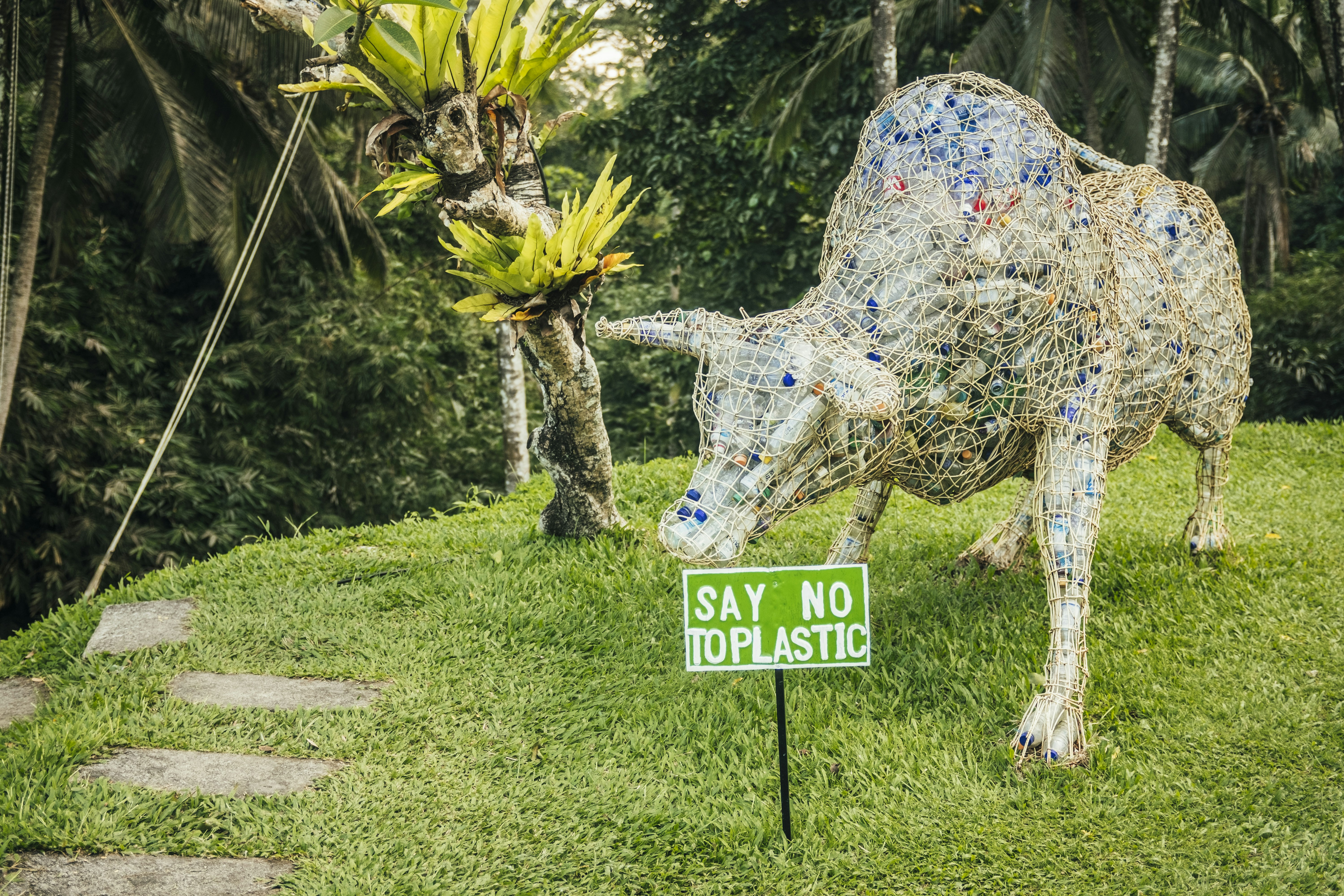
#Say_No_To_Plastics
Engage with Us:
Stay tuned for more captivating insights and News. Visit our Blogs and Follow Us on social media to never miss an update. Together, let’s unravel the mysteries of the natural world.


