





In a world where one million species teeter on the brink of extinction, technology is stepping up as an unlikely hero. Google has just announced a groundbreaking initiative using artificial intelligence to sequence the genomes of endangered animals at warp speed turning what once took years and billions of dollars into a process that wraps up in days for mere thousands.
This isn’t just about mapping DNA; it’s about arming conservationists with the tools to fight back against habitat loss, climate change, and inbreeding. Think of it as a digital Noah’s Ark. It preserves the genetic blueprints of creatures like penguins and zebras before it’s too late.
X Post From Google
From Human Genome to Animal Lifelines
Remember the Human Genome Project? That monumental effort, completed in 2003, cost $3 billion and spanned 13 years to decode just one species—us.
Fast-forward to 2026, and Google’s AI tools have slashed those barriers dramatically. Tools like DeepVariant (for spotting genetic variations), DeepConsensus (for error correction in sequencing), and the new DeepPolisher (launched in 2025 for ultra-accurate genome assembly) are making it possible to sequence complex animal genomes quickly and affordably.
These AI-powered innovations aren’t new to science they’ve already helped complete the first gap-free human genome and even aided in saving New Zealand’s kākāpō parrot by guiding breeding programs to avoid genetic bottlenecks. Now, Google is turning this tech toward biodiversity hotspots, partnering with the Earth BioGenome Project (which aims to sequence all 1.8 million known eukaryotic species) and Rockefeller University to tackle endangered animals.
Through Google.org’s AI for Science fund, they’re funding the sequencing of 150 additional species, with all data released openly for global researchers.
13 Endangered Species Getting the AI Treatment
So far, Google’s team has sequenced the genomes of 13 at-risk species across mammals, birds, amphibians, and reptiles. Below, we highlight some of the most notable examples.
African Penguin (Spheniscus demersus): These tuxedoed birds, native to South Africa’s coasts, are critically endangered due to overfishing and oil spills. Their genome could reveal adaptations to warming oceans, helping conservationists boost dwindling populations.

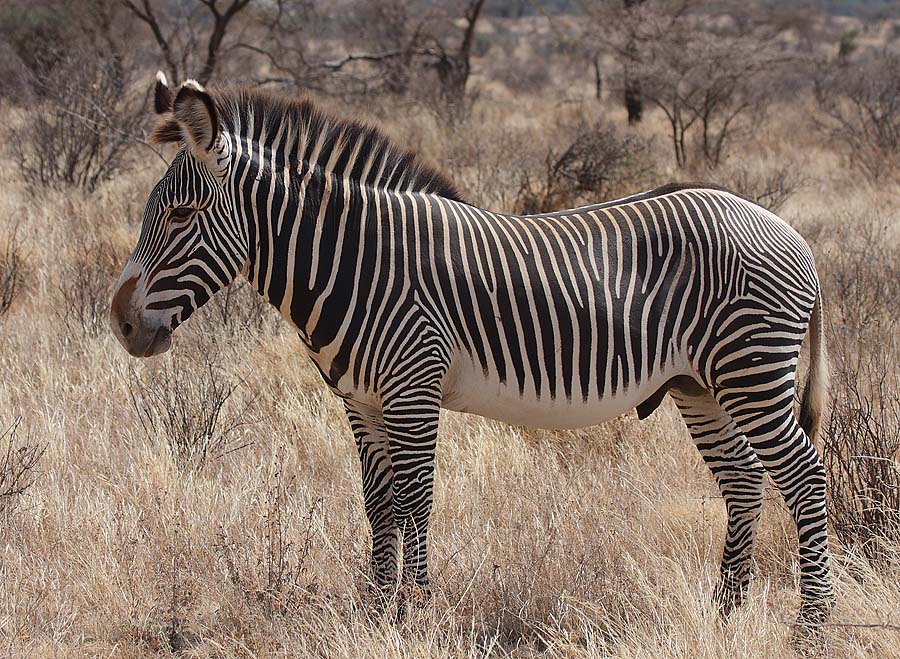
Grevy’s Zebra (Equus grevyi): The largest wild equid, with striking narrow stripes, this East African native has seen its numbers plummet by 50% in recent decades from poaching and habitat fragmentation. Genetic insights might guide protected area management to preserve their unique stripes and survival.
Cotton-top tamarin (Saguinus oedipus): This pint-sized Colombian primate has a wild white mohawk and plays a key role in seed dispersal.
Critically endangered from deforestation, its sequenced DNA could inform captive breeding to combat inbreeding depression.

Other species in the mix include the golden mantella frog, a tiny and vibrant amphibian from Madagascar’s shrinking forests. The list also features the golden lion tamarin, Nubian ibex, elongated tortoise, hog deer, and Eld’s deer. Each genome acts like an “instruction manual.” It reveals insights into health, reproduction, and resilience that could tip the scales toward survival.
Why Genomes Matter in the Fight Against Extinction
Genomes aren’t just strings of A’s, T’s, C’s, and G’s they’re treasure troves of evolutionary data. For endangered species, this information helps prevent inbreeding, which can lead to weakened populations prone to disease. Take the Eld’s deer: In managed herds, cross-breeding based on genetic diversity could be a game-changer.
Broader impacts? This project feeds into the Vertebrate Genomes Project, creating a comprehensive “map of life” on Earth. Open-access data means scientists worldwide can collaborate on everything from habitat restoration to climate adaptation strategies. It’s AI democratizing conservation, making high-tech tools available to underfunded field researchers.
AI’s Role in a Biodiversity Crisis
With predictions of mass extinctions looming, initiatives like this shows how tech giants are pivoting toward planetary good. Google’s been in the genomics game for over a decade, evolving from human health applications to environmental wins.
However, major challenges remain. For example, these include ethical concerns around genetic manipulation, data privacy issues for wild populations, and the need to ensure benefits reach indigenous communities that protect these habitats. At the same time, smarter AI could soon enable real-time genome sequencing directly in the field. In addition, it may support predictive models that flag extinction risks earlier. For now, this progress stands as a beacon of hope. Ultimately, in the race against time, silicon brains may help save feathered, furred, and finned lives.


