







In the winding rivers of the Amazon rainforest resides a creature unlike any other—a fish that you definitely wouldn’t want to encounter in the water. This remarkable species, known as the electric eel, has fascinated scientists and intrigued societies for centuries. First brought to Philadelphia from South America in 1773, this fish demonstrated an extraordinTheary ability: it could deliver painful shocks, akin to electric jolts, capable of stunning humans and killing prey from a distance. This unique ability would eventually revolutionize science and change the world as we know it.
Mighty Electric Eel: Misnamed but Misunderstood
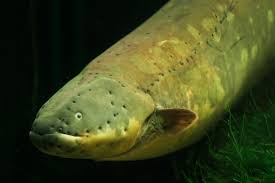
Despite its name, the electric eel is not a true eel but belongs to the knifefish family, making it more closely related to catfish. While several fish species can generate electricity, the electric eel is by far the most powerful. Some individuals can produce shocks up to 860 volts and 1 amp, a stunning feat given that the average shock lasts only about two milliseconds. Although a single shock might not kill a person, it could certainly incapacitate them—especially if the shock occurs in water, where it could potentially lead to drowning.
Electric eels use their electricity not just to stun or kill their prey but also to control their movements remotely. The electrical discharge affects the prey’s muscles, causing them to behave in ways that benefit the eel. Recent studies have even revealed that these formidable hunters are not solitary as once believed. Electric eels are now known to hunt in packs, working together to ambush and capture schools of fish.
The Science Behind the Shocks: How Electric Eels Generate Electricity
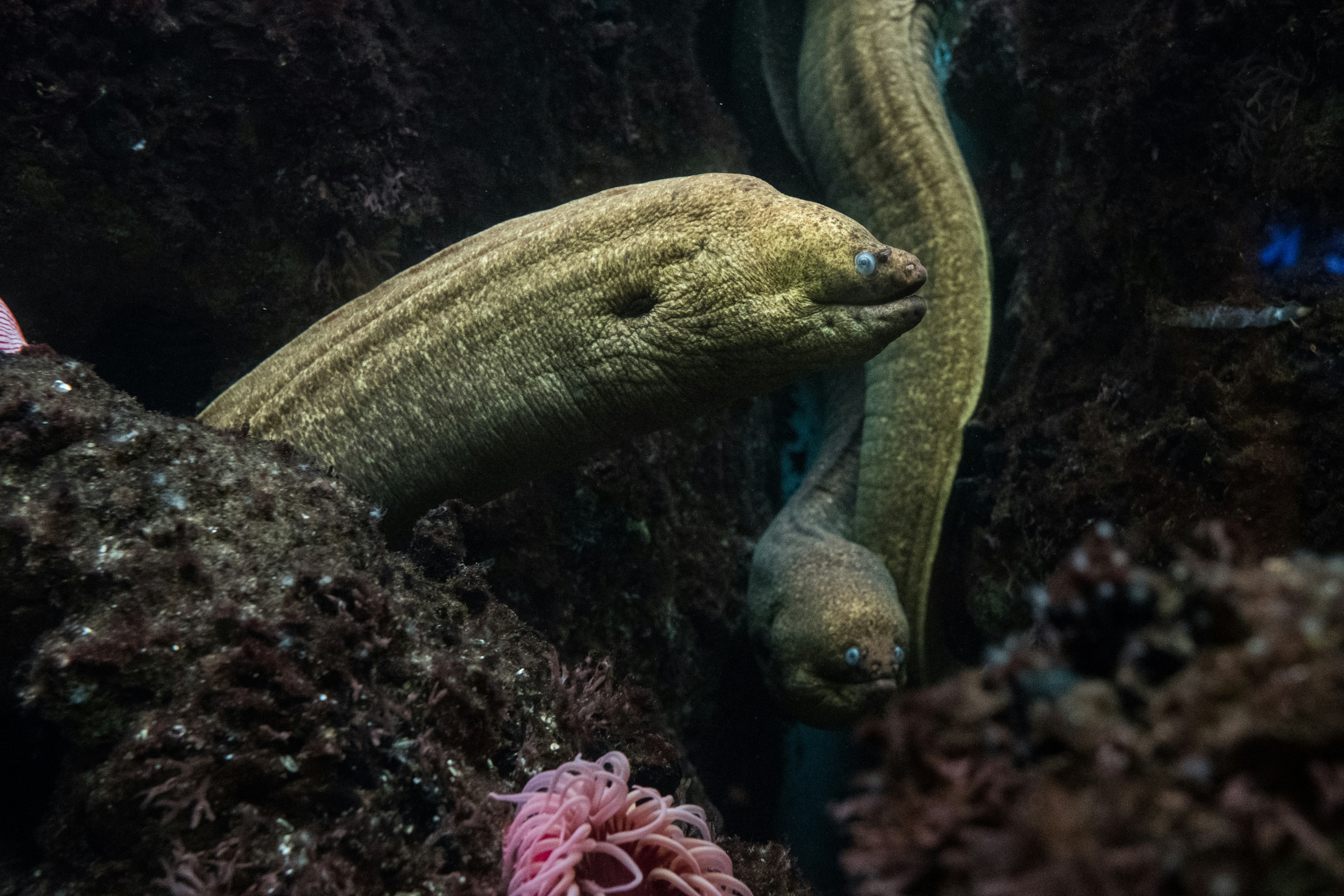
Electric eels inhabit the streams, floodplains, and swamps of the Amazon and Orinoco river basins in South America. These habitats, often murky and seasonal, pose significant risks to most fish. However, electric eels have adapted to these environments by developing the ability to breathe air, thanks to a specialized mucous membrane in their mouths that absorbs oxygen.
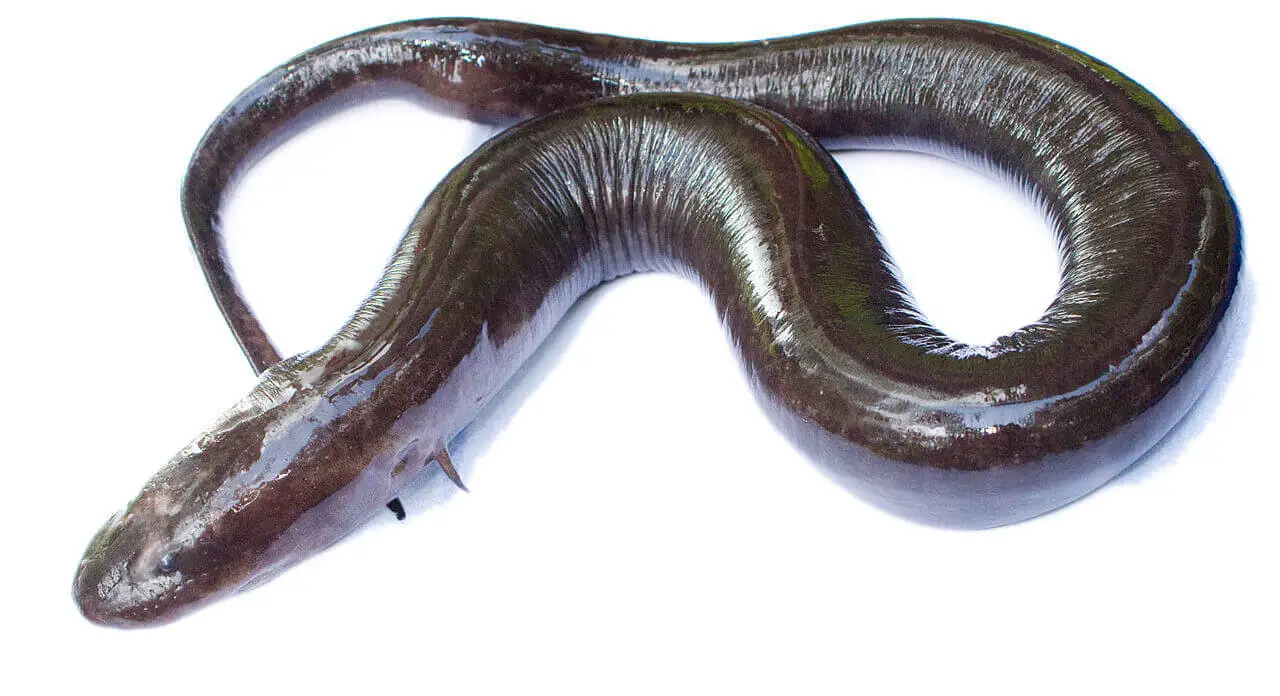
These snake-like creatures are substantial in size, growing up to 8 feet (2.5 meters) in length and weighing as much as 44 pounds (20 kilograms). Astonishingly, 80% of an electric eel’s body is devoted to generating electricity. The fish possesses three pairs of electric organs—the sex organ, the hunter’s organ, and the mane organ. The latter two produce high-voltage discharges used for defense and hunting, while the sax organ generates low-voltage pulses for communication and navigation.
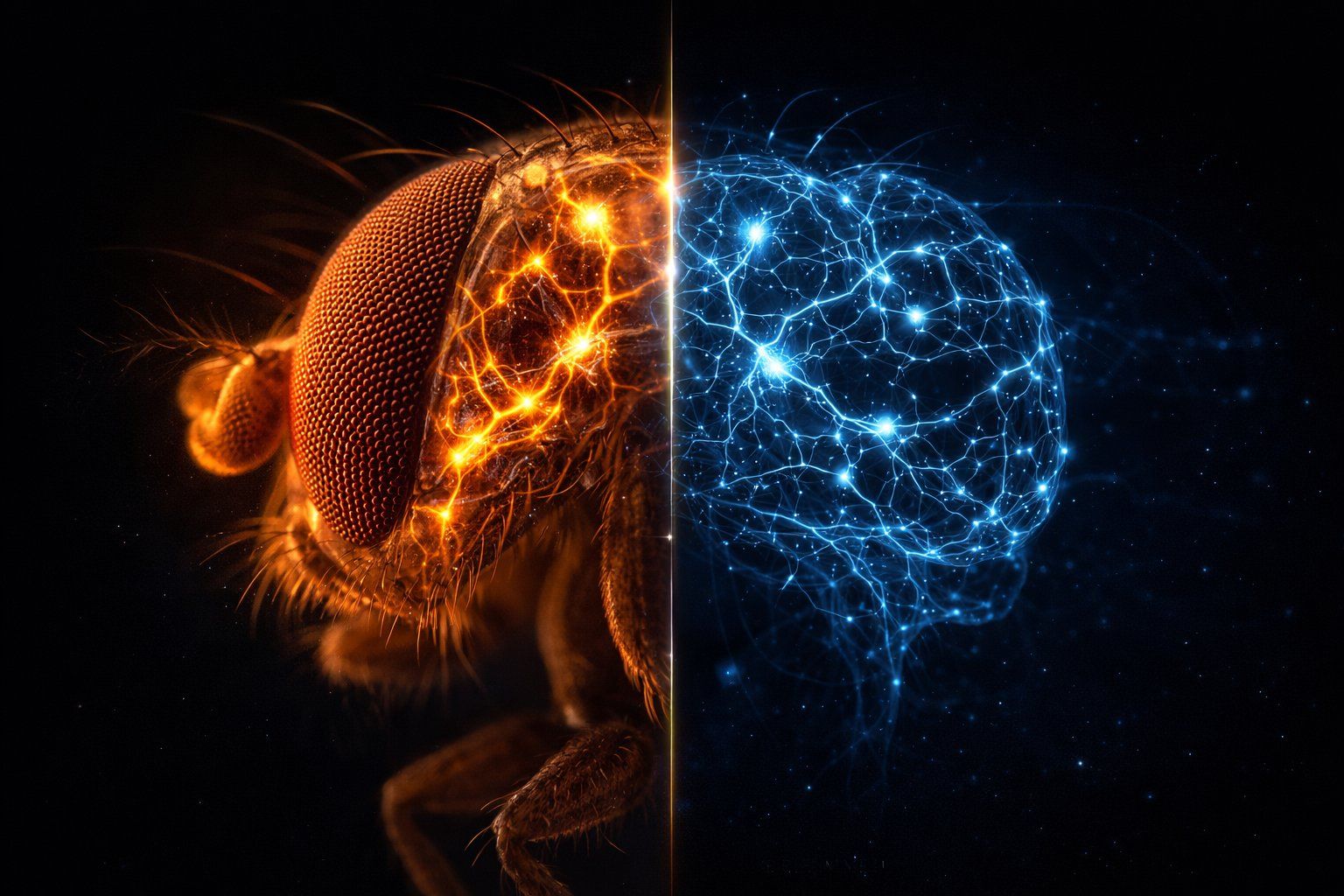
Each of these organs contains hundreds of thousands of specialized muscle cells called electrocytes, which are arranged in columns along the fish’s body. In their resting state, these cells maintain a negative charge by continuously pumping positively charged ions out of the cell. When the eel detects prey or a threat, a signal is sent through its nervous system, opening ion channels on the electrocytes. This allows positive ions to flow back into the cell on one side, creating a dipole—a difference in charge across the cell. The eel can then release this stored electrical energy in a powerful jolt.
The ability of electric eels to generate electricity is often compared to that of a battery, and this is no coincidence. The first battery ever created, invented by Italian physicist Alessandro Volta in 1800, was directly inspired by the electric eel. Volta observed that the eel’s electrocytes resembled a stack of coins, leading him to experiment with metal disks separated by saltwater, ultimately creating what is now known as the voltaic pile—a precursor to modern batteries
Electricity as a Tool: Diverse Uses of Electric Discharge
Electric eels have not only influenced the development of the battery but have also taught us much about the nature of electricity.
Scientists have discovered that electric eels use different types of electrical discharges for various purposes. For example, low-voltage pulses help them navigate and communicate in the dark, murky waters they inhabit. The weak electric field they produce allows them to detect objects in their environment by sensing distortions caused by other objects.
In addition to navigation, electric eels use these low-voltage pulses to communicate. By varying the frequency of these discharges, eels can convey information about their sex and readiness to reproduce. However, when it comes to hunting, electric eels switch to high-voltage discharges that can immobilize prey within milliseconds. The high-frequency pulses they emit cause the prey’s muscles to contract violently, leading to temporary paralysis—an effect similar to that of a taser.
Scientists also uncovered another sophisticated hunting technique: the use of “doublets.” Before launching a full-scale attack, electric eels often emit two quick, high-voltage pulses. These doublets are not intended to stun but to force the prey to reveal its location. Researchers discovered this by observing eels in captivity, noticing that they would only strike after the prey responded to the doublets with a muscle twitch.
To confirm their hypothesis, scientists conducted an experiment where they electrically stimulated a dead fish to twitch in response to the eel’s doublets. The eel consistently attacked when the dead fish twitched, but not when it remained still. This study revealed that electric eels could remotely control their prey, making it easier for them to locate and capture it.
Pack Hunters: A New Perspective on Electric Eel Behavior
Perhaps the most surprising discovery about electric eels is their ability to hunt in packs—a behavior rarely observed in fish. Social predation, where groups of animals coordinate to hunt, is typically seen in mammals like wolves and lions, but not in fish. However, scientists recently observed groups of electric eels working together to herd and capture prey.
In the Amazon River, researchers noticed that at dawn and dusk, groups of electric eels would leave the depths and swim near the surface, congregating in large numbers. These groups would then drive schools of fish into shallow waters, forming prey balls that were easier to attack. Between two and ten eels would then strike simultaneously, delivering a powerful electric shock that left the prey stunned and easy to capture.
This cooperative hunting technique is highly effective, allowing the eels to catch prey that would otherwise be too agile or numerous to capture alone. Scientists estimate that when multiple eels coordinate their electric attacks, they can generate up to 8,600 volts—enough to incapacitate large numbers of prey. Unlike other pack-hunting animals, it’s still unclear whether these eels have any familial relationships, but ongoing research aims to answer this question.
How Electric Eels Avoid Electrocuting Themselves
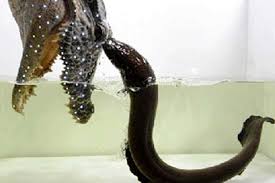
One might wonder how electric eels manage to avoid electrocuting themselves when discharging such powerful shocks, especially during group hunts. The answer lies in their anatomy and physiology. The electric organs of eels are padded with adipose tissue, which insulates them from their own electrical discharges. However, when it comes to shocks from other eels, it appears that they simply endure it.
Given their large size, electric eels are less affected by electrical discharges than their smaller prey. While a shock from another eel might be painful, it is unlikely to cause significant harm. It’s possible that the size of the eels is an evolutionary adaptation to their shocking lifestyle, providing them with a buffer against the effects of their own and others’ electrical attacks.
The Legacy of the Electric Eel: From Inspiration to Innovation
The influence of the electric eel extends far beyond its natural habitat in the Amazon. Its unique ability to generate electricity has inspired countless scientific discoveries, from the invention of the first battery to ongoing research in bio-inspired technology. Modern scientists are currently developing new types of batteries modeled after the electric eel’s electrocytes. These soft, flexible batteries could potentially power medical implants and soft robots, representing a significant advancement in medical technology.
The electric eel’s contribution to science is a testament to the wonders of the natural world and the importance of studying and understanding it. As researchers continue to explore the mysteries of these fascinating creatures, we can expect even more groundbreaking discoveries in the years to come.
The Power of Electricity
The study of electric eels and their shocking abilities has sparked a deeper curiosity about electricity—a force so fundamental to modern life yet so often taken for granted. From the lights in our homes to the devices we use daily, electricity is an integral part of our existence. And while we might not always think about how it works, understanding the natural phenomena that inspire technological advancements can lead to a greater appreciation of the world around us.
So, the next time you charge your phone or power up a device, take a moment to thank the electric eel for its role in the discovery and development of electricity—a reminder that nature’s ingenuity often lights the way for human progress.