



Friday, July 17, 2026
SAVED POSTS
  • Login
  • Register
RathBiotaClan
No Result
View All Result
  • HOME
  • HEALTH SCIENCE

    TRENDING ON HEALTH (TOP)

    Fick Method Underestimates Heart Problems in Children After Heart Transplant, Study Finds

    For Women on Antidepressants, Creatine Showed a Possible Extra Boost

    Did the iPhone Quietly Reshape When and Whether Americans Have Children?

    For People Antidepressants Never Helped, a 30-Minute Home Session Is Now FDA-Approved

    NOW ON AIR (RBC)

    The parsimony criterion
    BIOINFORMATICS

    The Parsimony Criterion in Phylogenetics: Morphological & Molecular Methods

    July 15, 2026
    maximum-likelihood-criterion
    BIOINFORMATICS

    Maximum Likelihood Criterion in Phylogenetic Tree Reconstruction

    July 15, 2026
    Tree Optimization Criteria and Search Methods in Phylogenetics – NNI, SPR, TBR Explained
    BIOINFORMATICS

    Tree Optimization Criteria and Tree Search Methods in Phylogenetics

    July 15, 2026
    Bootstrapping in Phylogenetics
    BIOINFORMATICS

    Bootstrapping in Phylogenetics – Tree Reliability, Resampling & Bootstrap Values

    July 15, 2026
  • NEUROSCIENCE
    • PHYSIOLOGY
    • IMMUNOLOGY
    • CANCER
  • DISCOVERIES
    • SPOTLIGHTS
    • STUDENT PORTAL
    • SCIENCE FEATURED
  • MOLECULAR BIOLOGY
    • GENETICS
    • BIOTECHNOLOGY
    • BIOINFORMATICS
    • BIOCHEMISTRY
    • BIOPHYSICS
  • ZOOLOGY & ECOLOGY
    • ENVIRONMENTAL SCIENCE
    • ECOLOGY
    • EVOLUTION
  • MICRO & PLANT SCIENCE
    • MICROBIOLOGY
    • CELL BIOLOGY
    • DEVELOPMENTAL BIOLOGY
  • PSYCHOLOGY
RathBiotaClan
RathBiotaClan
No Result
View All Result
Home SCIENCE FEATURED

Are Hippos Danger To Humans

Shibasis Rath by Shibasis Rath
August 15, 2024
in SCIENCE FEATURED, ZOOLOGY
Reading Time: 5 mins read
0
A A
0
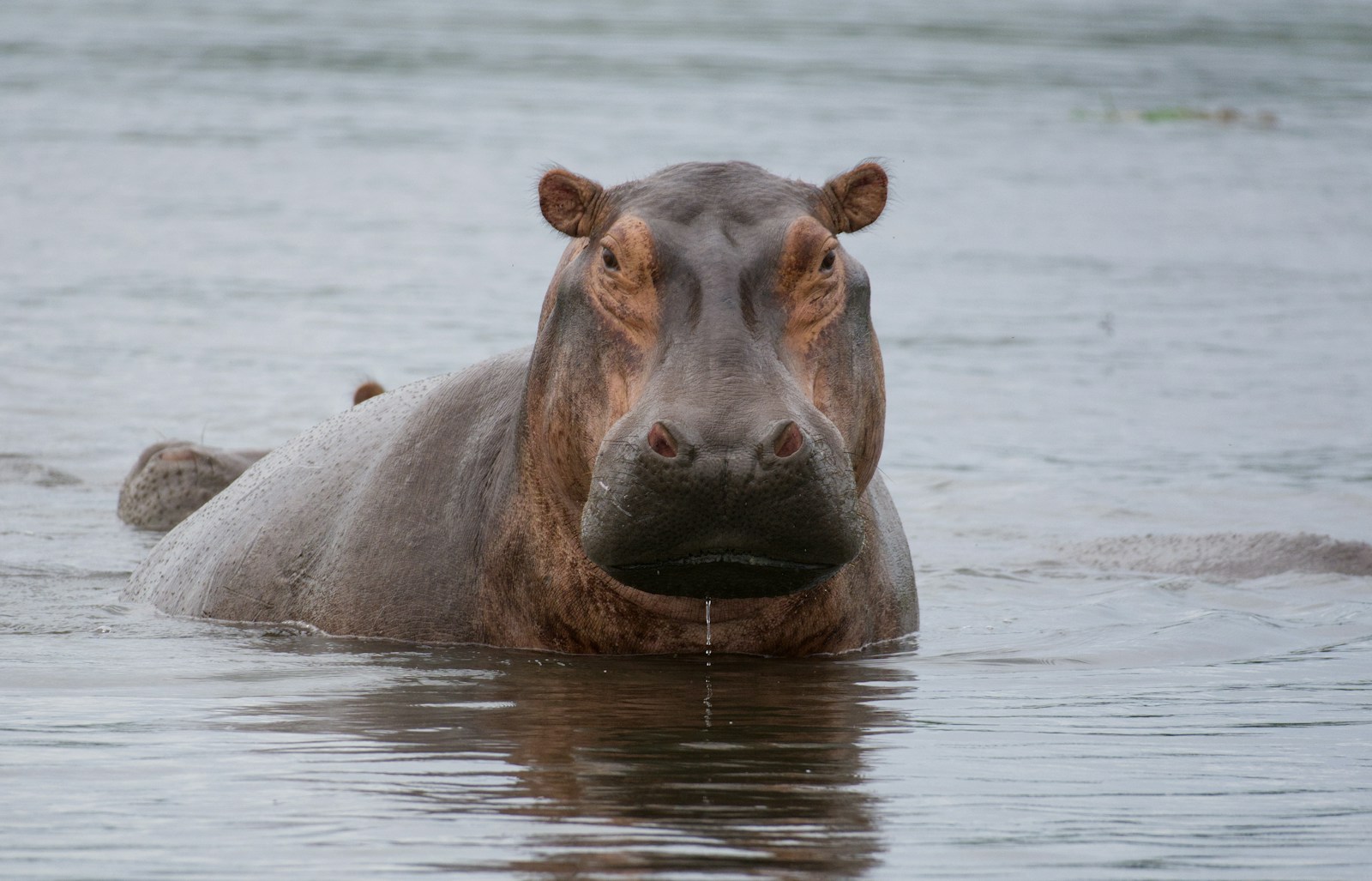
a hippopotamus standing in a body of water

When we think of dangerous animals, our minds might gravitate toward venomous snakes, fierce wolves or massive bears.

However, one of the deadliest animals on the planet is surprisingly small – the mosquito.

Despite their size, mosquitoes are responsible for nearly one million deaths each year by transmitting deadly diseases like Zika and Malaria.

But what about larger animal

ADVERTISEMENT

Today we will discuss about Hippopotamus (Hippos)__Life Style__Are hippos dangerous to humans !

READ ALSO

Shocking New Study Reveals More Than a Third of US Teens Are Being Cyberbullied — And What’s Happening Online Is Worse Than Parents Think

Pineal and Thymus Peptides Associated With Lower Mortality in Elderly Patients, Long-Term Study Reports

Welcome Back

ADVERTISEMENT

Let’s Discuss Below,

ADVERTISEMENT

The hippopotamus, often perceived as a gentle giant, might surprise you with the danger it poses.

The Unexpected Danger of Hippos

Hippos may seem cute, particularly the adorable baby hippos often depicted in media, but their appearance belies their true nature.

According to AZ Animals, hippos are among the most dangerous land animals, responsible for around 500 human fatalities annually in Africa.

This number is alarmingly high, especially when compared to other large land mammals, making the hippopotamus a significant threat in regions where they are found.
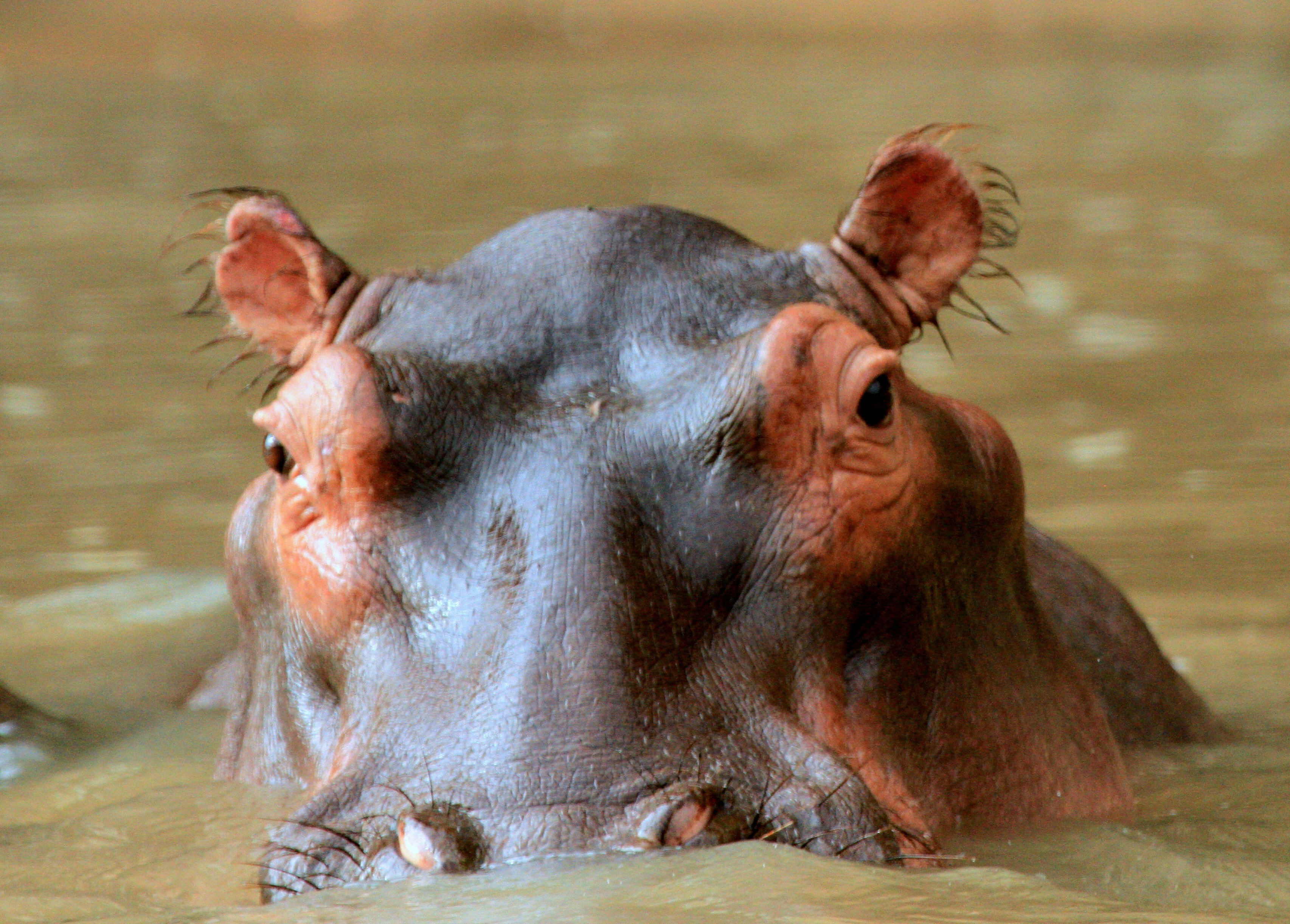
macro shot of black animal
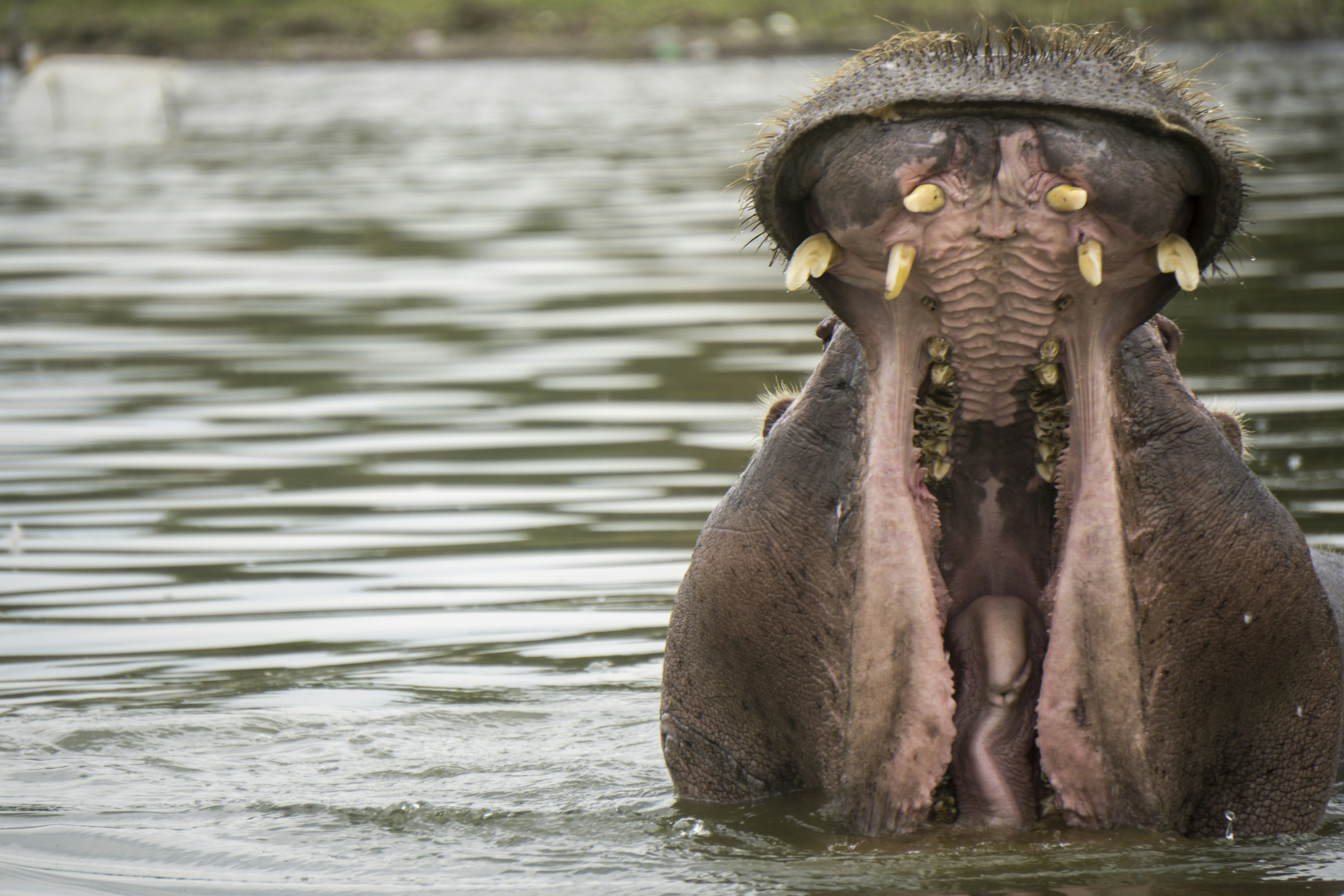
shallow focus photography of black hippopotamus

The Hippopotamus: A Semi-Aquatic Giant

The name “hippopotamus” is derived from the Greek words for “river horse,” reflecting their close association with water.

These massive creatures are native to sub-Saharan Africa and are well adapted to their environment.

Hippos have a barrel-shaped body, short legs, a short tail, and an enormous head. Their skin, typically greyish to muddy-brown, can appear pinkish underneath, particularly when wet.

Hippos are the second largest land animals, with only elephants surpassing them in size.

Males typically measure around 3.5 meters long and 1.5 meters tall and can weigh up to 3,200 kilograms – the equivalent of three small cars!

Life in the Water

Hippos spend much of their day submerged in water to cope with the extreme heat of their environment.

Their eyes, ears, and nostrils are positioned on the top of their heads, allowing them to see and breathe while keeping most of their body underwater.

Additionally, they secrete an oily red substance that acts as a natural sunblock and prevents their skin from drying out. This adaptation is crucial for their survival in the hot, tropical climate.

Historically, hippos were widespread throughout Sub-Saharan Africa, but their populations have significantly declined due to habitat loss and hunting. Today, they are largely confined to protected areas in East African countries.

Dietary Habits

Despite their size, hippos are nocturnal and primarily active at night. After spending the day in water, they come ashore at dusk to forage for food.

Their diet is mainly grass, and they can consume up to 35 kilograms in a single night. This substantial intake is essential for maintaining their large bodies and plays a vital role in their ecosystem.

The Hippo’s Relatives

Taxonomically, hippos belong

Family – Hippopotamidae

Order – Artiodactyla

Class – Mammalia

Phylum – Chordata

The common hippopotamus (Hippopotamus amphibius) is the species most people are familiar with.

However, there is also a smaller, lesser-known relative, the pygmy hippopotamus (Choeropsis liberiensis).

While the common hippo is one of the largest living land mammals, measuring between 10.8 and 16.5 feet in length and up to 5.2 feet tall at the shoulder, the pygmy hippo is significantly smaller. Pygmy hippos grow to only about 2.5 to 3.2 feet tall and 5 to 6 feet in length. They weigh between 350 and 600 pounds, making them a rare and interesting contrast to their much larger cousins.

Respecting the Hippo’s Domain

Hippos may not be the first animals that come to mind when considering the world’s deadliest creatures, but their territorial nature and immense strength make them incredibly dangerous. While they are not predators and do not eat humans, their aggressive defence of their territory, particularly in water, can lead to deadly encounters.

Understanding and respecting the natural behaviour of these massive animals is key to safely coexisting with them.

Whether encountering hippos in the wild or learning about them from a distance, it’s essential to appreciate their role in the ecosystem while acknowledging the very real dangers they pose.

Engage with Us:

Stay tuned for more captivating insights and News. Visit our Blogs and Follow Us on social media to never miss an update. Together, let’s unravel the mysteries of the natural world.

  • Share on WhatsApp (Opens in new window) WhatsApp
  • Share on Facebook (Opens in new window) Facebook
  • Share on Reddit (Opens in new window) Reddit
  • Share on X (Opens in new window) X
  • Print (Opens in new window) Print
Shibasis Rath

Shibasis Rath

"𝓒𝓸𝓷𝓷𝓮𝓬𝓽𝓲𝓷𝓰 𝓡𝓮𝓼𝓮𝓪𝓻𝓬𝓱 𝓣𝓸 𝓡𝓮𝓪𝓵𝓲𝓽𝔂" 𝓲𝓼𝓷'𝓽 𝓙𝓾𝓼𝓽 𝓪 𝓜𝓸𝓽𝓽𝓸 - 𝓘𝓽'𝓼 𝓜𝔂 𝓜𝓲𝓼𝓼𝓲𝓸𝓷

Related Posts

37% of US Teens Face Cyberbullying
SCIENCE FEATURED

Shocking New Study Reveals More Than a Third of US Teens Are Being Cyberbullied — And What’s Happening Online Is Worse Than Parents Think

June 30, 2026
man in blue scrub suit standing near white and black office rolling chair
SCIENCE FEATURED

Pineal and Thymus Peptides Associated With Lower Mortality in Elderly Patients, Long-Term Study Reports

June 23, 2026
A Shark That Walks Out of the Water Has Been Found in Papua New Guinea And It’s New to Science
SCIENCE FEATURED

A Shark That Walks Out of the Water Has Been Found in Papua New Guinea And It’s New to Science

June 16, 2026

POPULAR NEWS

Chewing gum releases thousands of microplastic particles directly into your mouth with every piece you chew

Chewing gum releases thousands of microplastic particles directly into your mouth with every piece you chew

by Shibasis Rath
May 8, 2026
0

Microplastics are turning up in places researchers never expected: deep-sea sediments, Arctic ice, and human blood. Now, a UCLA pilot...

grayscale photo of girl in polka dot long sleeve shirt

Yelling Isn’t Just Yelling: How a Hostile Home Rewires a Child’s Brain for Constant Alert

by Shibasis Rath
March 8, 2026
0

To a parent in the heat of the moment, a raised voice may feel like simple frustration. To a child...

72-Hour Fasting Can Reset Your Entire Immune System, USC Study Shows

72-Hour Fasting Can Reset Your Entire Immune System, USC Study Shows

by Shibasis Rath
February 28, 2026
0

A 72-hour fast can trigger a powerful immune system reset. Scientists call this stem cell regeneration. The process clears old...

woman in white tank top lying on bed

New Studys Says Gen Z is the least sexually active young cohort in modern recorded history

by Shibasis Rath
January 24, 2026
0

A generation that grew up with dating apps in their pockets, pornography a tap away, and sex discussed more openly...

a group of gen Z kids walking down a street

Is Gen Z the First Generation Less Intelligent Than Their Parents?

by Shibasis Rath
February 5, 2026
0

Gen Z intelligence decline is emerging as a serious concern among neuroscientists and education researchers. For over a century, each...

EDITOR CHOICE‘S

  • All
  • NEWS
  • SPOTLIGHTS
The parsimony criterion

The Parsimony Criterion in Phylogenetics: Morphological & Molecular Methods

by Shibasis Rath
July 15, 2026
0

The parsimony criterion is one of the oldest and most widely used methods of constructing phylogenetic trees, having its roots...

maximum-likelihood-criterion

Maximum Likelihood Criterion in Phylogenetic Tree Reconstruction

by Shibasis Rath
July 15, 2026
0

The maximum-likelihood (ML) criterion is one of the most important and statistically rigorous approaches used for phylogenetic tree reconstruction, first...

Tree Optimization Criteria and Search Methods in Phylogenetics – NNI, SPR, TBR Explained

Tree Optimization Criteria and Tree Search Methods in Phylogenetics

by Shibasis Rath
July 15, 2026
0

Distance-matrix clustering methods such as UPGMA and Neighbor-Joining construct a phylogenetic tree directly through a fixed, well-defined algorithm, without explicitly...

Bootstrapping in Phylogenetics

Bootstrapping in Phylogenetics – Tree Reliability, Resampling & Bootstrap Values

by Shibasis Rath
July 15, 2026
0

Bootstrapping is a statistical method used to assess the reliability of a phylogenetic tree, introduced by Felsenstein in 1985. Since...

ADVERTISEMENT

RathBiotaClan – RBC

RathBiotaClan – Connecting Research To Reality

Your trusted source for life science news, biology research & discoveries. Covering neuroscience, genetics, ecology, and more — connecting research to reality.

About Us

Privacy Policies

Contact Us

Editorial Standard

Latest Posts

  • The Parsimony Criterion in Phylogenetics: Morphological & Molecular Methods
  • Maximum Likelihood Criterion in Phylogenetic Tree Reconstruction
  • Tree Optimization Criteria and Tree Search Methods in Phylogenetics
  • Bootstrapping in Phylogenetics – Tree Reliability, Resampling & Bootstrap Values

SHIBASIS RATH

Contact Mail

rathbiotaclan@gmail.com

No Result
View All Result
MSME (Udyam) Certified Science Platform
Govt. of India

Get Us On PlayStore

playstore app for rathbiotaclan
  • About Us
  • Advertise With Us
  • Cancellation and Refund Policy
  • Contact Us
  • Contribute
  • Editorial Standards
  • Home
  • Pricing Details
  • Privacy Policies
  • Shipping Policy
  • Terms & Conditions

© 2026 RathBiotaClan. All rights reserved.

Welcome Back!

Sign In with Google
OR

Login to your account below

Forgotten Password? Sign Up

Create New Account!

Sign Up with Google
OR

Fill the forms below to register

*By registering into our website, you agree to the Terms & Conditions and Privacy Policy.
All fields are required. Log In

Retrieve your password

Please enter your username or email address to reset your password.

Log In

Add New Playlist

No Result
View All Result
  • HOME
  • HEALTH SCIENCE
  • NEUROSCIENCE
    • PHYSIOLOGY
    • IMMUNOLOGY
    • CANCER
  • DISCOVERIES
    • SPOTLIGHTS
    • STUDENT PORTAL
    • SCIENCE FEATURED
  • MOLECULAR BIOLOGY
    • GENETICS
    • BIOTECHNOLOGY
    • BIOINFORMATICS
    • BIOCHEMISTRY
    • BIOPHYSICS
  • ZOOLOGY & ECOLOGY
    • ENVIRONMENTAL SCIENCE
    • ECOLOGY
    • EVOLUTION
  • MICRO & PLANT SCIENCE
    • MICROBIOLOGY
    • CELL BIOLOGY
    • DEVELOPMENTAL BIOLOGY
  • PSYCHOLOGY
  • Login
  • Sign Up
SAVED POSTS

© 2026 RathBiotaClan. All rights reserved.

This website uses cookies. By continuing to use this website you are giving consent to cookies being used. Visit our Privacy and Cookie Policy.