




Thermoregulation is a fundamental aspect of survival for an animal, as it allows the regulation of heat exchange with the environment. Animals regulate heat transfer by four major physical processes: radiation, evaporation, convection, and conduction. These processes control the flow of heat within an organism and between the organism and its surroundings. Heat always flows from a higher temperature to a lower temperature, and successful thermoregulation involves balancing heat gain and loss. Mammals achieve this balance through specialized mechanisms, many of which involve the integumentary system.
The Four Key Processes of Heat Exchange
- Radiation: All objects warmer than absolute zero emit electromagnetic waves. For example, a lizard absorbs heat from the sun and emits a smaller amount of energy into the air.
- Evaporation: This process removes heat from a liquid surface as molecules transition into gas. A lizard’s moist surfaces lose heat through evaporation, providing a strong cooling effect.
- Convection: The transfer of heat occurs as air or liquid moves past a surface. A breeze can enhance heat loss from a lizard’s skin, while blood circulation redistributes heat in the body.
- Conduction: Direct heat transfer occurs when molecules in contact exchange thermal energy, such as when a lizard rests on a hot rock.
Insulation
Adaptation for Heat Control
One of the most effective thermoregulatory adaptations in mammals and birds is insulation, which minimizes heat loss. Insulation sources include fur, feathers, and fat deposits. Many animals adjust their insulating layers to regulate body temperature—mammals and birds raise their fur or feathers to trap warm air, enhancing insulation. Additionally, some animals produce oily secretions to maintain waterproofing and insulation, such as birds preening their feathers. Humans rely primarily on body fat for insulation, with “goosebumps” being a vestige of ancestral hair-raising reflexes.
Marine mammals like whales and walruses face unique challenges, as water conducts heat much faster than air. To survive in near-freezing polar waters, these animals develop thick layers of insulating fat called blubber, allowing them to maintain core body temperatures between 36–38°C (97–100°F) without excessive energy consumption.

Circulatory Adaptations for Heat Regulation
The circulatory system plays a significant role in thermoregulation by managing heat distribution. Animals adjust blood flow near the skin to control heat exchange.
- Vasodilation: When blood vessels near the skin widen, heat is lost to the environment through radiation, conduction, and convection.
- Vasoconstriction: Narrowing of blood vessels reduces blood flow and heat loss, helping animals conserve warmth in cold environments.
Some ectothermic animals also regulate heat exchange. For instance, the marine iguana constricts superficial blood vessels when swimming in cold waters, retaining body heat. Birds and mammals utilize countercurrent heat exchange, where arteries and veins lie adjacent to one another. This mechanism transfers heat between warm arterial blood and cooler venous blood, preventing excessive heat loss.
Countercurrent Heat Exchange in Different Species
Certain species have evolved countercurrent heat exchange for survival in extreme conditions.
- Large, active fish such as great white sharks, bluefin tuna, and swordfish retain muscle warmth, enabling sustained activity.
- Endothermic insects like bees and moths use this system to maintain a warm thorax for optimal flight muscle function.
- Flexible heat regulation is also seen in insects, where they can modify blood flow through countercurrent exchangers, either preserving heat or allowing its dissipation depending on environmental conditions.
By utilizing these diverse thermoregulatory strategies, animals adapt to various climates, ensuring survival in both scorching deserts and freezing waters.
Cooling by Evaporative Heat Loss
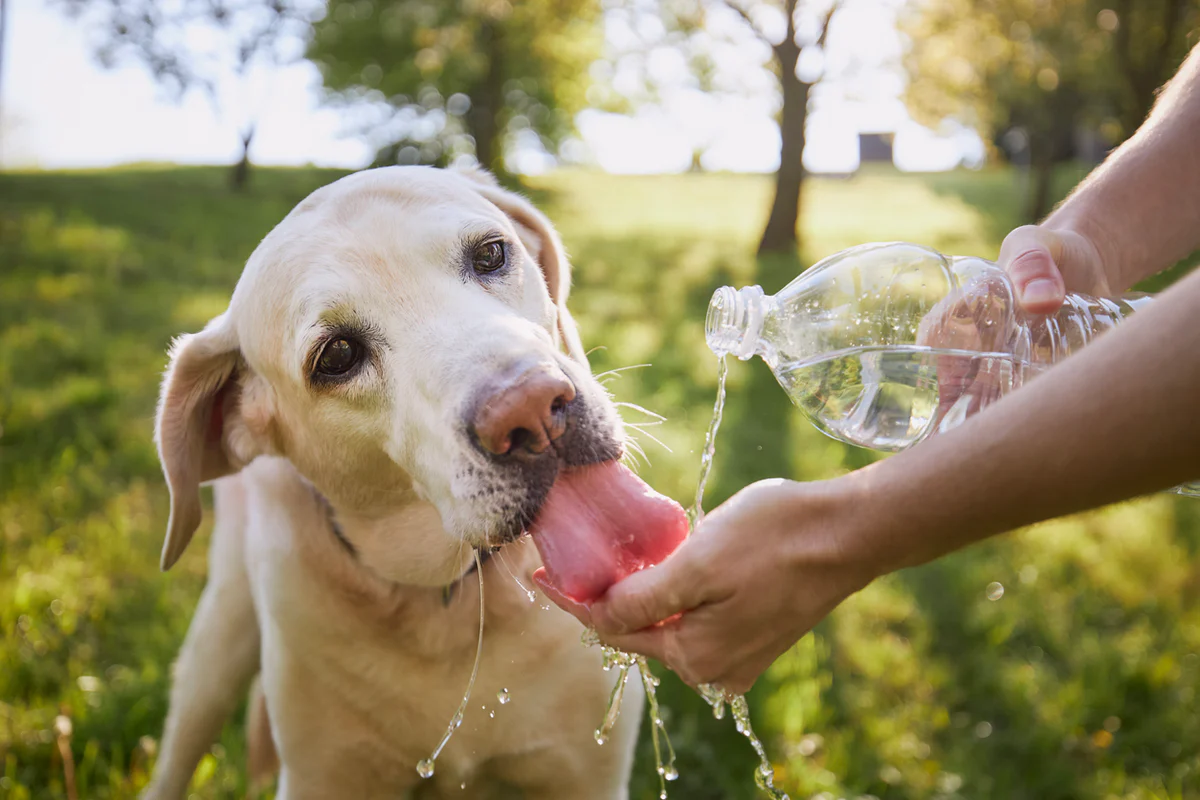
Many mammals and birds live in places where thermoregulation requires cooling as well as warming. If the environmental temperature is above their body temperature, animals gain heat from the environment as well as from metabolism, and evaporation is the only way to keep body temperature from rising. Terrestrial animals lose water by evaporation from their skin and respiratory surfaces. Water absorbs considerable heat when it evaporates; this heat is carried away from the body surface with the water vapor. Some animals have adaptations that can greatly augment the cooling effect of evaporation. Panting is important in birds and many mammals. Some birds have a pouch richly supplied with blood vessels in the floor of the mouth; fluttering the pouch increases evaporation. Pigeons, for example, can use this adaptation to keep their body temperature close to 40°C (104°F) in air temperatures as high as 60°C (140°F), as long as they have sufficient water. Sweating or bathing moistens the skin and enhances evaporative cooling. Many terrestrial mammals have sweat glands that are controlled by the nervous system.
Behavioral Responses
Both endotherms and ectotherms control body temperature through behavioral responses to changes in the environment. Many ectotherms maintain a nearly constant body temperature by engaging in relatively simple behaviors. More extreme behavioral adaptations in some animals include hibernation or migration to a more suitable climate. All amphibians and most reptiles other than birds are ectothermic. Therefore, these organisms control body temperature mainly by behavior. When cold, they seek warm places, orienting themselves toward heat sources and expanding the portion of their body surface exposed to the heat source. When hot, they move to cool areas or turn in another direction. Many terrestrial invertebrates can adjust internal temperature by the same behavioral mechanisms used by vertebrate ectotherms. The desert locust (Schistocerca gregaria), for example, must reach a certain temperature to become active, and on cold days it orients itself in a direction that maximizes the absorption of sunlight. Other terrestrial invertebrates have certain postures that enable them to maximize or minimize their absorption of heat from the sun. Honeybees use a thermoregulatory mechanism that depends on social behavior. In cold weather, they increase heat production and huddle together, thereby retaining heat. Individuals move between the cooler outer edges of the cluster and the warmer center, thus circulating and distributing the heat. Even when huddling, honeybees must expend considerable energy to keep warm during long periods of cold weather. In hot weather, honeybees cool the hive by transporting water to the hive and fanning with their wings, promoting evaporation and convection.
Adjusting Metabolic Heat Production
Because endotherms generally maintain a body temperature considerably higher than that of the environment, they must counteract continual heat loss. Endotherms can vary heat production—thermogenesis—to match changing rates of heat loss. Thermogenesis is increased by such muscle activity as moving or shivering. For example, shivering helps chickadees (genus Poecile), birds with a body mass of only 20 g, remain active and hold their body temperature nearly constant at 40°C (104°F) in environmental temperatures as low as -40°C (-40°F), as long as they have adequate food. In some mammals, certain hormones can cause mitochondria to increase their metabolic activity and produce heat instead of ATP. This process, called nonshivering thermogenesis, takes place throughout the body; some mammals also have a tissue called brown fat in their neck and between their shoulders that is specialized for rapid heat production.
Acclimatization
Acclimatization contributes to thermoregulation in many animal species. In birds and mammals, acclimatization to seasonal temperature changes often includes adjusting insulation—growing a thicker coat of fur in the winter and shedding it in the summer, for example. Some ectotherms that experience subzero body temperatures protect themselves by producing “antifreeze” compounds that prevent ice formation in their cells.
Physiological Thermostats and Fever
In humans and other mammals, body temperature is a complexly controlled organismal process that relies on feedback mechanisms. Sensors responsible for regulating body temperature are concentrated in a brain region called the hypothalamus. A cluster of nerve cells in the hypothalamus acts as a thermostat, responding to body temperatures that fall or rise beyond the normal range by activating mechanisms to promote heat loss or gain. Warm receptors send signals to the hypothalamic thermostat when temperatures rise, and cold receptors send signals when temperatures fall. Because the same blood vessel supplies both the hypothalamus and the ears, an ear thermometer records the temperature detected by the hypothalamic thermostat.
At body temperatures below the normal range, the thermostat inhibits heat loss mechanisms and activates heat-saving ones, such as vasoconstriction and the raising of fur, while also stimulating heat-generating mechanisms like shivering and nonshivering thermogenesis. In response to elevated body temperature, the thermostat shuts down heat retention mechanisms and promotes cooling of the body through vasodilation, sweating, or panting.
During certain bacterial and viral infections, mammals and birds develop fever, an elevated body temperature. Various experiments have shown that fever results from an increase in the set point of the biological thermostat. For instance, artificially increasing the temperature of the hypothalamus in the infected animal would reduce fever within the rest of the body. Although only endotherms show fever, a similar response happens in lizards. Infection of the desert iguana (Dipsosaurus dorsalis) with specific bacteria triggers the animal to look for a warmer environment and elevate its body temperature by 2–4°C (4–7°F). Similar responses have been recorded in fishes, amphibians, and even cockroaches, pointing to the commonality of this reaction to infection among many species of animals.
Having covered this much about thermoregulation, we will next discuss other energy-expenditure processes and all the possible ways animals allocate, utilize, and save energy.
(Reference: Campbell Biology, 9th Edition)