



Friday, June 12, 2026
SAVED POSTS
  • Login
  • Register
RathBiotaClan
No Result
View All Result
  • HOME
  • HEALTH SCIENCE

    TRENDING ON HEALTH (TOP)

    For People Antidepressants Never Helped, a 30-Minute Home Session Is Now FDA-Approved

    Scientists Say Your Next Tube of Toothpaste Could Be Made From Human Hair

    Your Lungs, Liver, and Pancreas Also Age Faster When You Sleep Wrong

    Cycling Linked to Lower Dementia Risk in Study of Nearly 480,000 Adults

    NOW ON AIR (RBC)

    NEWS

    A Father’s Touch in Infancy Can Shape a Child’s Health for Years, New Science Explains Why

    June 9, 2026
    MutExpress
    BIOINFORMATICS

    South Asian Patients Have Been Left Out of Cancer Genomics for Decades & MutExpress-India Is Changing That

    June 8, 2026
    Biodiversity Loss
    ECOLOGY

    Biodiversity Loss Could Bankrupt Nations And Wall Street Hasn’t Noticed Yet

    June 5, 2026
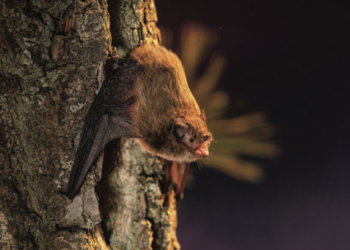
    Soprano pipistrelle (Pipistrellus pygmaeus) emerging from a tree hollow at the moment of take-off.
    ECOLOGY

    Human-generated electromagnetic noise has long lasting effects on light orientation in bats

    June 4, 2026
  • NEUROSCIENCE
    • PHYSIOLOGY
    • IMMUNOLOGY
    • CANCER
  • DISCOVERIES
    • SPOTLIGHTS
    • STUDENT PORTAL
    • SCIENCE FEATURED
  • MOLECULAR BIOLOGY
    • GENETICS
    • BIOTECHNOLOGY
    • BIOINFORMATICS
    • BIOCHEMISTRY
    • BIOPHYSICS
  • ZOOLOGY & ECOLOGY
    • ENVIRONMENTAL SCIENCE
    • ECOLOGY
    • EVOLUTION
  • MICRO & PLANT SCIENCE
    • MICROBIOLOGY
    • CELL BIOLOGY
    • DEVELOPMENTAL BIOLOGY
  • PSYCHOLOGY
RathBiotaClan
RathBiotaClan
No Result
View All Result
Home ECOLOGY

Bumblebee Queens Favor Overwintering on Pesticide-Polluted Soils

Shibasis Rath by Shibasis Rath
October 21, 2024
in ECOLOGY, SCIENCE FEATURED, ZOOLOGY
Reading Time: 5 mins read
0
A A
0
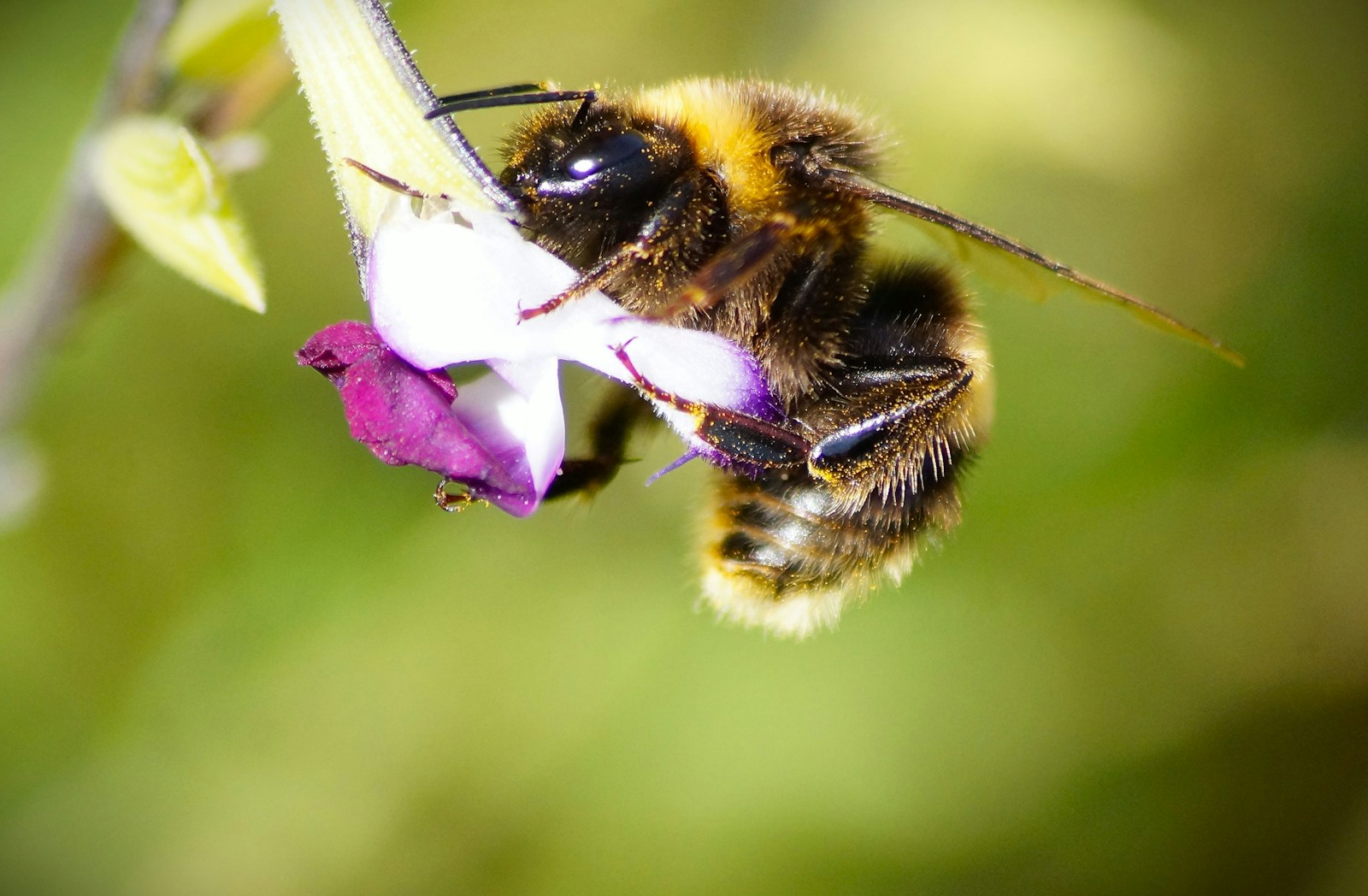
a bee on a flower

Scientists Alarmed by Bumblebee Behavior

Scientists are alarmed by the behavior of bumblebee queens. They prefer overwintering in pesticide-polluted soils, a discovery that challenges previous knowledge of bee behavior and raises concerns about their future role as pollinators.

Experiment: Study

Published in Science of The Total Environment, the research by ecologists Sabrina Rondeau and Nigel Raine from the University of Ottawa and the University of Guelph sought to determine whether bumblebee queens could detect and avoid pesticide-contaminated soil. In this experiment, newly-emerged common eastern bumblebee queens (Bombus impatiens) were placed in a mesh-netted hoop house with various soil options.

Experimental Design

The experiment involved the use of five pesticides: boscalid, chlorantraniliprole, clothianidin, cyantraniliprole, and difenoconazole. Exposure levels were set below and above typical farm and orchard levels in Southern Ontario. Queens had access to a 6×6 grid of 36 crates, containing both pesticide-laced and pesticide-free soils.

After five weeks, researchers excavated the soil to determine where the queens had chosen to overwinter. Surprisingly, the bumblebee queens overwhelmingly chose the contaminated soils, where they absorbed pesticides, over the clean soils.

ADVERTISEMENT

Key Findings

Overwhelming Preference for Contaminated Soil: Queens preferred pesticide-contaminated soil 1.3 to 2.4 times more than clean soil, with no preference for pesticide-free options, even in high concentrations of pesticides. This dangerous behavioral cycle poses significant health risks to the bees. For a detailed understanding of the ecological impacts, you can read more here.

READ ALSO

Biodiversity Loss Could Bankrupt Nations And Wall Street Hasn’t Noticed Yet

Human-generated electromagnetic noise has long lasting effects on light orientation in bats

Survival Implications

Pesticides are known to cause numerous harmful effects on bees. Exposed queens often face higher mortality rates, delayed colony establishment, and smaller offspring. These findings highlight the potential threat to bumblebee populations. The economic implications of bee decline are also concerning, as detailed here.

ADVERTISEMENT

Knowing Hibernation of Bumblebees

Bumblebee queens hibernate alone every year as part of their life cycle. This cycle is crucial, not only for the queens themselves but also for the colonies they will establish. Queens reproduce in late summer, then dig into the ground to escape the cold, relying on their fat reserves to survive until spring when they emerge to form new colonies.

ADVERTISEMENT

This solitary state has been largely overlooked by bee researchers, who have historically focused on the social behavior of active colonies. As Dr. Woodard notes, queens spend much of the year living as “hermits.” More about honeybees in winter can be found here.

Why Pesticide-Contaminated Soil?

The reason why queens prefer pesticide-contaminated soil remains unclear. One theory suggests that the pesticides might kill harmful fungi and parasites that could threaten the queens during their hibernation. However, the immediate dangers of pesticide exposure cannot be ignored. For further insights into how pesticides affect bee populations, see this source.

Broader Implications for Bumblebees

Even more concerning is that queens’ preference for contaminated soil exacerbates the ongoing pesticide problem in agriculture. This not only threatens the bumblebee population but also poses a risk to the entire environment, as bees are vital to biodiversity and pollination. For information on pesticide regulations, visit this link.

As Dr. Raine explains, current pesticide risk assessments are honeybee-biased and often overlook bumblebees, which make up more than 65% of bee species globally and typically nest in soil. Understanding the nesting habits of various bee species is essential for effective conservation efforts. More on the significance of bees can be found here.

Future Research Directions

Dr. Rondeau is investigating the effects of pesticide exposure on bumblebee queens when combined with warmer winter temperatures, a consequence of climate change. Future studies will focus on understanding the long-term impact of pesticide exposure during hibernation and its effects on queens’ survival and foraging activity during spring colony establishment.

Understanding this odd behavior is critical to addressing the risks posed to queen survival and, consequently, the well-being of ecosystems. Bumblebees are essential pollinators, and their decline raises concerns about food security and ecological balance.

Implications for Conservation and Pesticide Regulation

This study underscores the need for policy changes in pesticide regulation, particularly in agricultural environments where bumblebees are at risk. Providing pesticide-free overwintering sites for queens is vital. Promoting organic farming, establishing pesticide-free areas around farmlands, and restoring natural habitats could offer safe nesting sites for bumblebees.

Methodological Insights

The research simulated natural conditions using controlled variables, allowing researchers to observe queen behavior in a realistic setting. Key aspects of the methodology included:

  • Diverse Pesticide Selection: The study tested five pesticides commonly used in agriculture, ensuring relevant and applicable results.
  • Realistic Exposure Levels: Pesticide concentrations mirrored those found in agricultural settings, enhancing the study’s ecological validity.
  • Behavioral Observation: The use of mesh-netted hoop houses allowed for close observation of queen behavior without external interference.

The alarming preference of bumblebee queens for pesticide-polluted soils challenges our understanding of their behavior and survival strategies. As we face a global bee crisis, addressing the impacts of pesticides on these vital pollinators is more crucial than ever.



  • Share on WhatsApp (Opens in new window) WhatsApp
  • Share on Facebook (Opens in new window) Facebook
  • Share on Reddit (Opens in new window) Reddit
  • Share on X (Opens in new window) X
  • Print (Opens in new window) Print
Shibasis Rath

Shibasis Rath

"𝓒𝓸𝓷𝓷𝓮𝓬𝓽𝓲𝓷𝓰 𝓡𝓮𝓼𝓮𝓪𝓻𝓬𝓱 𝓣𝓸 𝓡𝓮𝓪𝓵𝓲𝓽𝔂" 𝓲𝓼𝓷'𝓽 𝓙𝓾𝓼𝓽 𝓪 𝓜𝓸𝓽𝓽𝓸 - 𝓘𝓽'𝓼 𝓜𝔂 𝓜𝓲𝓼𝓼𝓲𝓸𝓷

Related Posts

Biodiversity Loss
ECOLOGY

Biodiversity Loss Could Bankrupt Nations And Wall Street Hasn’t Noticed Yet

June 5, 2026
Soprano pipistrelle (Pipistrellus pygmaeus) emerging from a tree hollow at the moment of take-off.
ECOLOGY

Human-generated electromagnetic noise has long lasting effects on light orientation in bats

June 4, 2026
woman in black jacket sitting on gray concrete wall during daytime
PSYCHOLOGY

Psychology Study Says, Why People Who Enjoy Being Alone Often Build Stronger Minds and Deeper Connections

May 21, 2026

POPULAR NEWS

Chewing gum releases thousands of microplastic particles directly into your mouth with every piece you chew

Chewing gum releases thousands of microplastic particles directly into your mouth with every piece you chew

by Shibasis Rath
May 8, 2026
0

Microplastics are turning up in places researchers never expected: deep-sea sediments, Arctic ice, and human blood. Now, a UCLA pilot...

Yelling Isn’t Just Yelling: How a Hostile Home Rewires a Child’s Brain for Constant Alert

Yelling Isn’t Just Yelling: How a Hostile Home Rewires a Child’s Brain for Constant Alert

by Shibasis Rath
March 8, 2026
0

To a parent in the heat of the moment, a raised voice may feel like simple frustration. To a child...

New Studys Says Gen Z is the least sexually active young cohort in modern recorded history

New Studys Says Gen Z is the least sexually active young cohort in modern recorded history

by Shibasis Rath
January 24, 2026
0

A generation that grew up with dating apps in their pockets, pornography a tap away, and sex discussed more openly...

a group of gen Z kids walking down a street

Is Gen Z the First Generation Less Intelligent Than Their Parents?

by Shibasis Rath
February 5, 2026
0

Gen Z intelligence decline is emerging as a serious concern among neuroscientists and education researchers. For over a century, each...

Whole Brain Emulation Achieved: Scientists Run a Fruit Fly Brain in Simulation

by Shibasis Rath
March 9, 2026
0

Scientists have copied an entire biological brain neuron by neuron and synapse by synapse and made it control a simulated...

EDITOR CHOICE‘S

  • All
  • NEWS
  • SPOTLIGHTS
A Father’s Touch in Infancy Can Shape a Child’s Health for Years, New Science Explains Why

A Father’s Touch in Infancy Can Shape a Child’s Health for Years, New Science Explains Why

by Staff Writer
June 9, 2026
0

A study from Penn State University has revealed something startling beneath that simplicity those early interactions carry biological consequences that...

MutExpress

South Asian Patients Have Been Left Out of Cancer Genomics for Decades & MutExpress-India Is Changing That

by Staff Writer
June 8, 2026
0

The databases that underpin modern cancer genomics have a geography problem. The gnomAD database the gold standard for allele frequency...

Biodiversity Loss

Biodiversity Loss Could Bankrupt Nations And Wall Street Hasn’t Noticed Yet

by Staff Writer
June 5, 2026
0

Every year, governments borrow trillions of dollars to function. The interest rate they pay depends almost entirely on their credit...

Soprano pipistrelle (Pipistrellus pygmaeus) emerging from a tree hollow at the moment of take-off.

Human-generated electromagnetic noise has long lasting effects on light orientation in bats

by Shibasis Rath
June 4, 2026
0

A new study has found that soprano pipistrelle bats exposed to low-intensity broadband radiofrequency noise fly in random directions when...

ADVERTISEMENT

RathBiotaClan – RBC

RathBiotaClan – Connecting Research To Reality

Your trusted source for life science news, biology research & discoveries. Covering neuroscience, genetics, ecology, and more — connecting research to reality.

About Us

Privacy Policies

Contact Us

Editorial Standard

Latest Posts

  • A Father’s Touch in Infancy Can Shape a Child’s Health for Years, New Science Explains Why
  • South Asian Patients Have Been Left Out of Cancer Genomics for Decades & MutExpress-India Is Changing That
  • Biodiversity Loss Could Bankrupt Nations And Wall Street Hasn’t Noticed Yet
  • Human-generated electromagnetic noise has long lasting effects on light orientation in bats

SHIBASIS RATH

Contact Mail

rathbiotaclan@gmail.com

No Result
View All Result
MSME (Udyam) Certified Science Platform
Govt. of India

Get Us On PlayStore

playstore app for rathbiotaclan
  • About Us
  • Advertise With Us
  • Cancellation and Refund Policy
  • Contact Us
  • Contribute
  • Editorial Standards
  • Home
  • Pricing Details
  • Privacy Policies
  • Shipping Policy
  • Terms & Conditions

© 2026 RathBiotaClan. All rights reserved.

Welcome Back!

Sign In with Google
OR

Login to your account below

Forgotten Password? Sign Up

Create New Account!

Sign Up with Google
OR

Fill the forms bellow to register

*By registering into our website, you agree to the Terms & Conditions and Privacy Policy.
All fields are required. Log In

Retrieve your password

Please enter your username or email address to reset your password.

Log In

Add New Playlist

No Result
View All Result
  • HOME
  • HEALTH SCIENCE
  • NEUROSCIENCE
    • PHYSIOLOGY
    • IMMUNOLOGY
    • CANCER
  • DISCOVERIES
    • SPOTLIGHTS
    • STUDENT PORTAL
    • SCIENCE FEATURED
  • MOLECULAR BIOLOGY
    • GENETICS
    • BIOTECHNOLOGY
    • BIOINFORMATICS
    • BIOCHEMISTRY
    • BIOPHYSICS
  • ZOOLOGY & ECOLOGY
    • ENVIRONMENTAL SCIENCE
    • ECOLOGY
    • EVOLUTION
  • MICRO & PLANT SCIENCE
    • MICROBIOLOGY
    • CELL BIOLOGY
    • DEVELOPMENTAL BIOLOGY
  • PSYCHOLOGY
  • Login
  • Sign Up
SAVED POSTS

© 2026 RathBiotaClan. All rights reserved.

This website uses cookies. By continuing to use this website you are giving consent to cookies being used. Visit our Privacy and Cookie Policy.