

Tuesday, June 16, 2026
SAVED POSTS
  • Login
  • Register
RathBiotaClan
No Result
View All Result
  • HOME
  • HEALTH SCIENCE

    TRENDING ON HEALTH (TOP)

    For People Antidepressants Never Helped, a 30-Minute Home Session Is Now FDA-Approved

    Scientists Say Your Next Tube of Toothpaste Could Be Made From Human Hair

    Your Lungs, Liver, and Pancreas Also Age Faster When You Sleep Wrong

    Cycling Linked to Lower Dementia Risk in Study of Nearly 480,000 Adults

    NOW ON AIR (RBC)

    NEWS

    A Father’s Touch in Infancy Can Shape a Child’s Health for Years, New Science Explains Why

    June 9, 2026
    MutExpress
    BIOINFORMATICS

    South Asian Patients Have Been Left Out of Cancer Genomics for Decades & MutExpress-India Is Changing That

    June 8, 2026
    Biodiversity Loss
    ECOLOGY

    Biodiversity Loss Could Bankrupt Nations And Wall Street Hasn’t Noticed Yet

    June 5, 2026
    Soprano pipistrelle (Pipistrellus pygmaeus) emerging from a tree hollow at the moment of take-off.
    ECOLOGY

    Human-generated electromagnetic noise has long lasting effects on light orientation in bats

    June 4, 2026
  • NEUROSCIENCE
    • PHYSIOLOGY
    • IMMUNOLOGY
    • CANCER
  • DISCOVERIES
    • SPOTLIGHTS
    • STUDENT PORTAL
    • SCIENCE FEATURED
  • MOLECULAR BIOLOGY
    • GENETICS
    • BIOTECHNOLOGY
    • BIOINFORMATICS
    • BIOCHEMISTRY
    • BIOPHYSICS
  • ZOOLOGY & ECOLOGY
    • ENVIRONMENTAL SCIENCE
    • ECOLOGY
    • EVOLUTION
  • MICRO & PLANT SCIENCE
    • MICROBIOLOGY
    • CELL BIOLOGY
    • DEVELOPMENTAL BIOLOGY
  • PSYCHOLOGY
RathBiotaClan
RathBiotaClan
No Result
View All Result
Home ECOLOGY

Animals Really Battling Make a Difference in Climate Change

Shibasis Rath by Shibasis Rath
September 28, 2024
in ECOLOGY, SCIENCE FEATURED, ZOOLOGY
Reading Time: 6 mins read
0
A A
0
silhouette of trees during sunset

While technology, renewable energy, and conservation are often where one finds the solution to climate change, a lesser known area is the role animals have in regulating an ecosystem or mitigating the impacts of climate. Some species are helping absorb carbon, restore habitats, and balance ecosystems to help slow global warming. From the rainforests to the oceans, these animals provide crucial services that may just provide the answers to solving the climate crisis.

African Forest Elephants: The Gardeners of the Congolian Rainforest

African forest elephants are the smallest of three elephant species and are often called “Gardeners of the Congo.” They continually beget the Congolian rainforest by flattening up fast-growing plants such as shrubs and vines in search of fruit, seeds, and leaves. This results in the growth of more long-lived, larger trees, which sequester more carbon. For each of these elephants, over 9,000 tons of carbon is sequestered during the lifetime of an individual elephant and thus contributes to the amount of carbon stored in the rainforest. These elephants, as economist Ralph Chami estimated, are willing to pay about $150 billion for carbon capture services.

Elephants indeed are a form of seed dispersers that move seeds from one area to another over long distances, hence promoting biodiversity and increasing the carbon sequestration capacity of the forest.
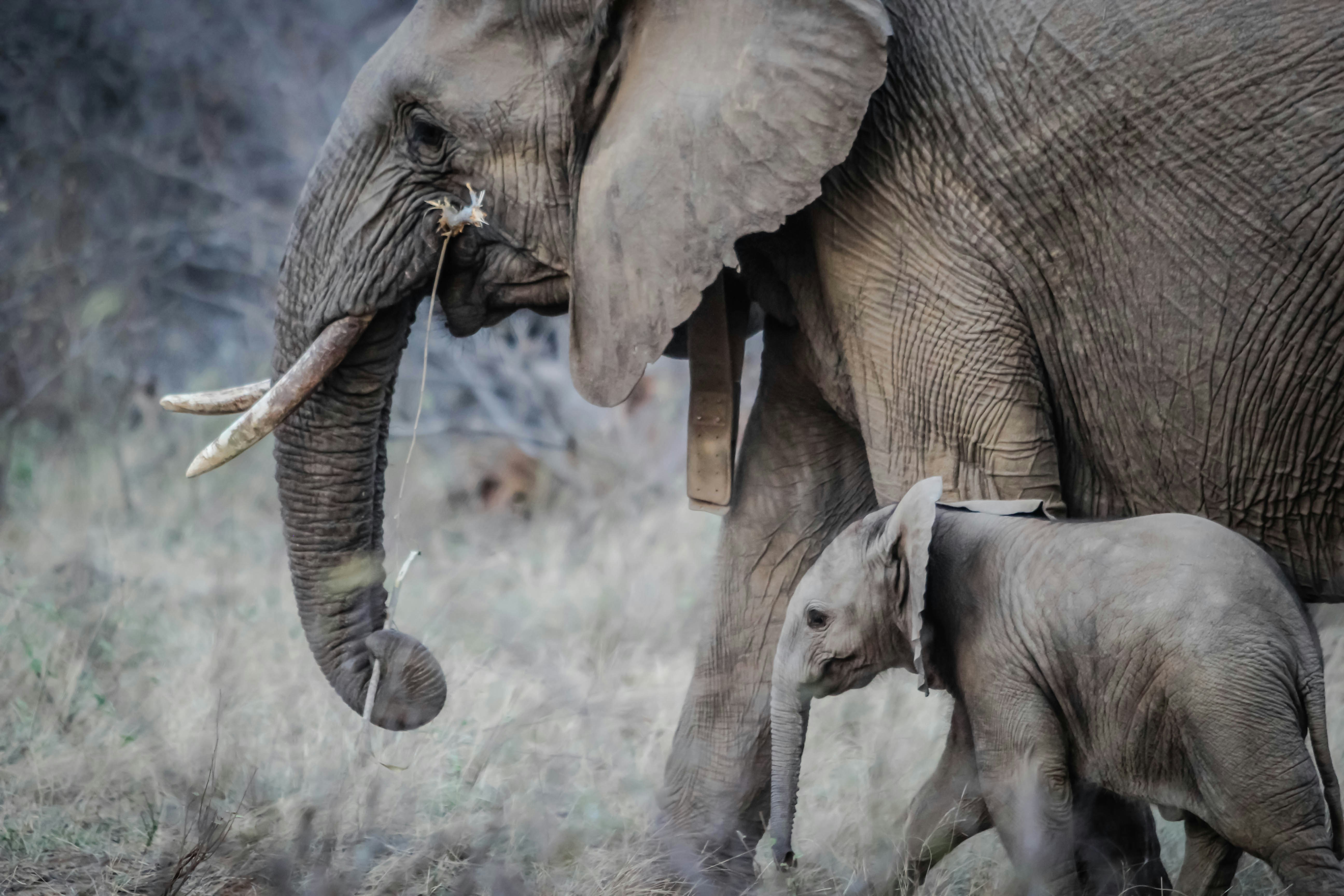
photo of black elephant

Sea Otters: Kelp Forest Guardians

Sea otters are important in maintaining kelp forests; some of the latter happen to be the most efficient absorbers of carbon dioxide. Kelp forests absorb atmospheric CO2 at an amazingly rapid rate, employing the gas to create leafy structures below the ocean’s surface. However, kelp forests are under intense pressure by sea urchins that eat kelp in the event they were not controlled. Sea otters as keystone predators regulate sea urchin populations in the kelp forests, enabling these kelp forests to thrive. Studies revealed that kelp forests inhabited by otters can sequester up to 12-fold more carbon dioxide than those without otters. This has an estimate of around $200-400 million dollar value for carbon captured annually.

ADVERTISEMENT
a close up of a wet otter swimming in the water

Tapirs: the forest regenerators of Tropical Forest

Tapirs are similar to pigs, but they have shorter trunks. These are important in regeneration of degraded forests in Tropical Forests. The animals feed on various fruits and distribute the seeds through excrement, especially in a location where forests have been cut down. The amount of seeds spread is more in areas that are degraded compared to healthy forests since tapirs disperse three times more seeds in degraded areas than in healthy forests, thus making them instrumental for the replenishment of forests. Increased carbon absorption increases gases absorbed by these plants growing from these seeds thus helping to slow Earth’s warming. A single study uncovered no fewer than 24 species of seeds in the droppings of a tapir-a humongous amount of them that will grow up to be carbon-absorbing giants.

READ ALSO

Biodiversity Loss Could Bankrupt Nations And Wall Street Hasn’t Noticed Yet

Human-generated electromagnetic noise has long lasting effects on light orientation in bats

tapirs

Whales: Giants of Carbon Storage

These animals are perhaps the largest species on land and some of the biggest carbon storer. A single whale consumes almost 33 tons of carbon during its lifetime. Once these whales die, their bodies sink to the bottom of the ocean, taking that carbon down with them, locking it away for centuries. Their excrements have fertilized phytoplankton, which absorbs 10 gigatons of carbon from the atmosphere yearly.

ADVERTISEMENT

Reintroducing population levels of whales from the past could sequester an additional 1.7 billion tons of carbon annually. This is one very strong reason for conserving and protecting whale populations, both for biodiversity and climate action.

ADVERTISEMENT

Wolves: Ecosystem Engineers

Definitely no ecosystem restoration effort has been as well documented as that of wolves introduced to Yellowstone National Park after a 70-year absence. With wolves now lacking in their range, elk populations thrived out of control, overgrazing grasslands causing the destructive collapse of river banks and the extinction of beavers, songbirds and fish. With the return of wolves, their populations stabilized the ecosystem so that trees such as aspen and willow could regain previous levels. These trees store carbon; thus, this also makes wolves integral to maintaining stability within ecosystems with the goal of supporting carbon storage.

Bison: The Prairie Restorers

Through large carbon sink grasslands, bison preserve and regenerate. Simultaneously, the grazing of bison activates plant growth and provides spots of disturbed soil where new plants can grow in those disturbed areas. Such bison behavior increases biodiversity, which enhances the ability of grasslands to capture and store carbon. It has been observed that grasslands grazed by bison carry 30% more carbon than their non-grazed counterparts.

Moreover, bison movements allow the soil to be aerated, hence enhancing water and nutrient uptake, thereby enhancing carbon sequestration in the grassland ecosystem.

Beavers: Wetland Architects

Beavers are considered a species of ecosystem engineers. Using their dam-building skills, they create wetlands. Wetlands are homes for several species and have a crucial role in carbon capture. Wetlands are among the most efficient carbon sinks, holding up to 30% of the soil carbon worldwide. Through slowing down flow in the beaver dams, water stays within the wetland and organic materials settle, thereby sequestrating carbon for long periods.

In addition, beaver dams decrease the likelihood of wildfires because they keep the landscape moist, which increases the chances that carbon-storing vegetation does not burn and release carbon into the atmosphere.

Red-Cockaded Woodpeckers: Tree Guardians

The red-cockaded woodpecker, native to southeastern U.S., is an essential component of the longleaf pine ecosystem, one of the most endangered forest types in North America. Because it excavates cavities in living pine trees that other species may use as habitat, this woodpecker tends to perpetuate a healthy, diverse ecosystem. Because longleaf pine forests are an efficient carbon absorber, maintaining healthy levels of longleaf pine is important for climate regulation.

These woodpeckers also check the pine beetle infestation that can cause devastative outbreaks in forests and even release stored carbon. They control the long-term stability and carbon sequestration ability of those forests by controlling pest and maintaining biodiversity.

Conclusion: The Climate-Saving Power of Animals

From the great elephant to the blue whale, from wolves to beavers, and even birds such as red-cockaded woodpeckers, animals are playing a crucial role in the battle against climate change. These species govern ecosystems, distribute seeds, preserve habitats, and increase carbon storage in ways that are largely underappreciated. Their protection and restoration will not only be a conservation imperative but help combat global warming, too. Recognizing these animals as nature’s unsung climate warriors offers us powerful allies in our quest to protect the planet for generations to come.

Engage with Us:

Stay tuned for more captivating insights and News. Visit our Blogs , Science paper , Study Portal and Follow Us on social media to never miss an update. Together, let’s unravel the mysteries of the natural world.

  • Share on WhatsApp (Opens in new window) WhatsApp
  • Share on Facebook (Opens in new window) Facebook
  • Share on Reddit (Opens in new window) Reddit
  • Share on X (Opens in new window) X
  • Print (Opens in new window) Print
Shibasis Rath

Shibasis Rath

"𝓒𝓸𝓷𝓷𝓮𝓬𝓽𝓲𝓷𝓰 𝓡𝓮𝓼𝓮𝓪𝓻𝓬𝓱 𝓣𝓸 𝓡𝓮𝓪𝓵𝓲𝓽𝔂" 𝓲𝓼𝓷'𝓽 𝓙𝓾𝓼𝓽 𝓪 𝓜𝓸𝓽𝓽𝓸 - 𝓘𝓽'𝓼 𝓜𝔂 𝓜𝓲𝓼𝓼𝓲𝓸𝓷

Related Posts

Biodiversity Loss
ECOLOGY

Biodiversity Loss Could Bankrupt Nations And Wall Street Hasn’t Noticed Yet

June 5, 2026
Soprano pipistrelle (Pipistrellus pygmaeus) emerging from a tree hollow at the moment of take-off.
ECOLOGY

Human-generated electromagnetic noise has long lasting effects on light orientation in bats

June 4, 2026
woman in black jacket sitting on gray concrete wall during daytime
PSYCHOLOGY

Psychology Study Says, Why People Who Enjoy Being Alone Often Build Stronger Minds and Deeper Connections

May 21, 2026

POPULAR NEWS

Chewing gum releases thousands of microplastic particles directly into your mouth with every piece you chew

Chewing gum releases thousands of microplastic particles directly into your mouth with every piece you chew

by Shibasis Rath
May 8, 2026
0

Microplastics are turning up in places researchers never expected: deep-sea sediments, Arctic ice, and human blood. Now, a UCLA pilot...

New Studys Says Gen Z is the least sexually active young cohort in modern recorded history

New Studys Says Gen Z is the least sexually active young cohort in modern recorded history

by Shibasis Rath
January 24, 2026
0

A generation that grew up with dating apps in their pockets, pornography a tap away, and sex discussed more openly...

Yelling Isn’t Just Yelling: How a Hostile Home Rewires a Child’s Brain for Constant Alert

Yelling Isn’t Just Yelling: How a Hostile Home Rewires a Child’s Brain for Constant Alert

by Shibasis Rath
March 8, 2026
0

To a parent in the heat of the moment, a raised voice may feel like simple frustration. To a child...

a group of gen Z kids walking down a street

Is Gen Z the First Generation Less Intelligent Than Their Parents?

by Shibasis Rath
February 5, 2026
0

Gen Z intelligence decline is emerging as a serious concern among neuroscientists and education researchers. For over a century, each...

Whole Brain Emulation Achieved: Scientists Run a Fruit Fly Brain in Simulation

by Shibasis Rath
March 9, 2026
0

Scientists have copied an entire biological brain neuron by neuron and synapse by synapse and made it control a simulated...

EDITOR CHOICE‘S

  • All
  • NEWS
  • SPOTLIGHTS
A Father’s Touch in Infancy Can Shape a Child’s Health for Years, New Science Explains Why

A Father’s Touch in Infancy Can Shape a Child’s Health for Years, New Science Explains Why

by Staff Writer
June 9, 2026
0

A study from Penn State University has revealed something startling beneath that simplicity those early interactions carry biological consequences that...

MutExpress

South Asian Patients Have Been Left Out of Cancer Genomics for Decades & MutExpress-India Is Changing That

by Staff Writer
June 8, 2026
0

The databases that underpin modern cancer genomics have a geography problem. The gnomAD database the gold standard for allele frequency...

Biodiversity Loss

Biodiversity Loss Could Bankrupt Nations And Wall Street Hasn’t Noticed Yet

by Staff Writer
June 5, 2026
0

Every year, governments borrow trillions of dollars to function. The interest rate they pay depends almost entirely on their credit...

Soprano pipistrelle (Pipistrellus pygmaeus) emerging from a tree hollow at the moment of take-off.

Human-generated electromagnetic noise has long lasting effects on light orientation in bats

by Shibasis Rath
June 4, 2026
0

A new study has found that soprano pipistrelle bats exposed to low-intensity broadband radiofrequency noise fly in random directions when...

ADVERTISEMENT

RathBiotaClan – RBC

RathBiotaClan – Connecting Research To Reality

Your trusted source for life science news, biology research & discoveries. Covering neuroscience, genetics, ecology, and more — connecting research to reality.

About Us

Privacy Policies

Contact Us

Editorial Standard

Latest Posts

  • A Father’s Touch in Infancy Can Shape a Child’s Health for Years, New Science Explains Why
  • South Asian Patients Have Been Left Out of Cancer Genomics for Decades & MutExpress-India Is Changing That
  • Biodiversity Loss Could Bankrupt Nations And Wall Street Hasn’t Noticed Yet
  • Human-generated electromagnetic noise has long lasting effects on light orientation in bats

SHIBASIS RATH

Contact Mail

rathbiotaclan@gmail.com

No Result
View All Result
MSME (Udyam) Certified Science Platform
Govt. of India

Get Us On PlayStore

playstore app for rathbiotaclan
  • About Us
  • Advertise With Us
  • Cancellation and Refund Policy
  • Contact Us
  • Contribute
  • Editorial Standards
  • Home
  • Pricing Details
  • Privacy Policies
  • Shipping Policy
  • Terms & Conditions

© 2026 RathBiotaClan. All rights reserved.

Welcome Back!

Sign In with Google
OR

Login to your account below

Forgotten Password? Sign Up

Create New Account!

Sign Up with Google
OR

Fill the forms bellow to register

*By registering into our website, you agree to the Terms & Conditions and Privacy Policy.
All fields are required. Log In

Retrieve your password

Please enter your username or email address to reset your password.

Log In

Add New Playlist

No Result
View All Result
  • HOME
  • HEALTH SCIENCE
  • NEUROSCIENCE
    • PHYSIOLOGY
    • IMMUNOLOGY
    • CANCER
  • DISCOVERIES
    • SPOTLIGHTS
    • STUDENT PORTAL
    • SCIENCE FEATURED
  • MOLECULAR BIOLOGY
    • GENETICS
    • BIOTECHNOLOGY
    • BIOINFORMATICS
    • BIOCHEMISTRY
    • BIOPHYSICS
  • ZOOLOGY & ECOLOGY
    • ENVIRONMENTAL SCIENCE
    • ECOLOGY
    • EVOLUTION
  • MICRO & PLANT SCIENCE
    • MICROBIOLOGY
    • CELL BIOLOGY
    • DEVELOPMENTAL BIOLOGY
  • PSYCHOLOGY
  • Login
  • Sign Up
SAVED POSTS

© 2026 RathBiotaClan. All rights reserved.

This website uses cookies. By continuing to use this website you are giving consent to cookies being used. Visit our Privacy and Cookie Policy.