




Thursday, June 18, 2026
SAVED POSTS
  • Login
  • Register
RathBiotaClan
No Result
View All Result
  • HOME
  • HEALTH SCIENCE

    TRENDING ON HEALTH (TOP)

    For People Antidepressants Never Helped, a 30-Minute Home Session Is Now FDA-Approved

    Scientists Say Your Next Tube of Toothpaste Could Be Made From Human Hair

    Your Lungs, Liver, and Pancreas Also Age Faster When You Sleep Wrong

    Cycling Linked to Lower Dementia Risk in Study of Nearly 480,000 Adults

    NOW ON AIR (RBC)

    NEUROSCIENCE

    Step-Synchronized Brain Stimulation Reduces Falls in Small Parkinson’s Trial

    June 16, 2026
    NEWS

    A Father’s Touch in Infancy Can Shape a Child’s Health for Years, New Science Explains Why

    June 9, 2026
    MutExpress
    BIOINFORMATICS

    South Asian Patients Have Been Left Out of Cancer Genomics for Decades & MutExpress-India Is Changing That

    June 8, 2026
    Biodiversity Loss
    ECOLOGY

    Biodiversity Loss Could Bankrupt Nations And Wall Street Hasn’t Noticed Yet

    June 5, 2026
  • NEUROSCIENCE
    • PHYSIOLOGY
    • IMMUNOLOGY
    • CANCER
  • DISCOVERIES
    • SPOTLIGHTS
    • STUDENT PORTAL
    • SCIENCE FEATURED
  • MOLECULAR BIOLOGY
    • GENETICS
    • BIOTECHNOLOGY
    • BIOINFORMATICS
    • BIOCHEMISTRY
    • BIOPHYSICS
  • ZOOLOGY & ECOLOGY
    • ENVIRONMENTAL SCIENCE
    • ECOLOGY
    • EVOLUTION
  • MICRO & PLANT SCIENCE
    • MICROBIOLOGY
    • CELL BIOLOGY
    • DEVELOPMENTAL BIOLOGY
  • PSYCHOLOGY
RathBiotaClan
RathBiotaClan
No Result
View All Result
Home NEUROSCIENCE

The Neural Science of Sexual Attraction: Mating Strategy and Sexual Arousal

Shibasis Rath by Shibasis Rath
February 25, 2025
in NEUROSCIENCE, SCIENCE FEATURED
Reading Time: 5 mins read
0
A A
0

Is Sexual Attraction Neurological ?

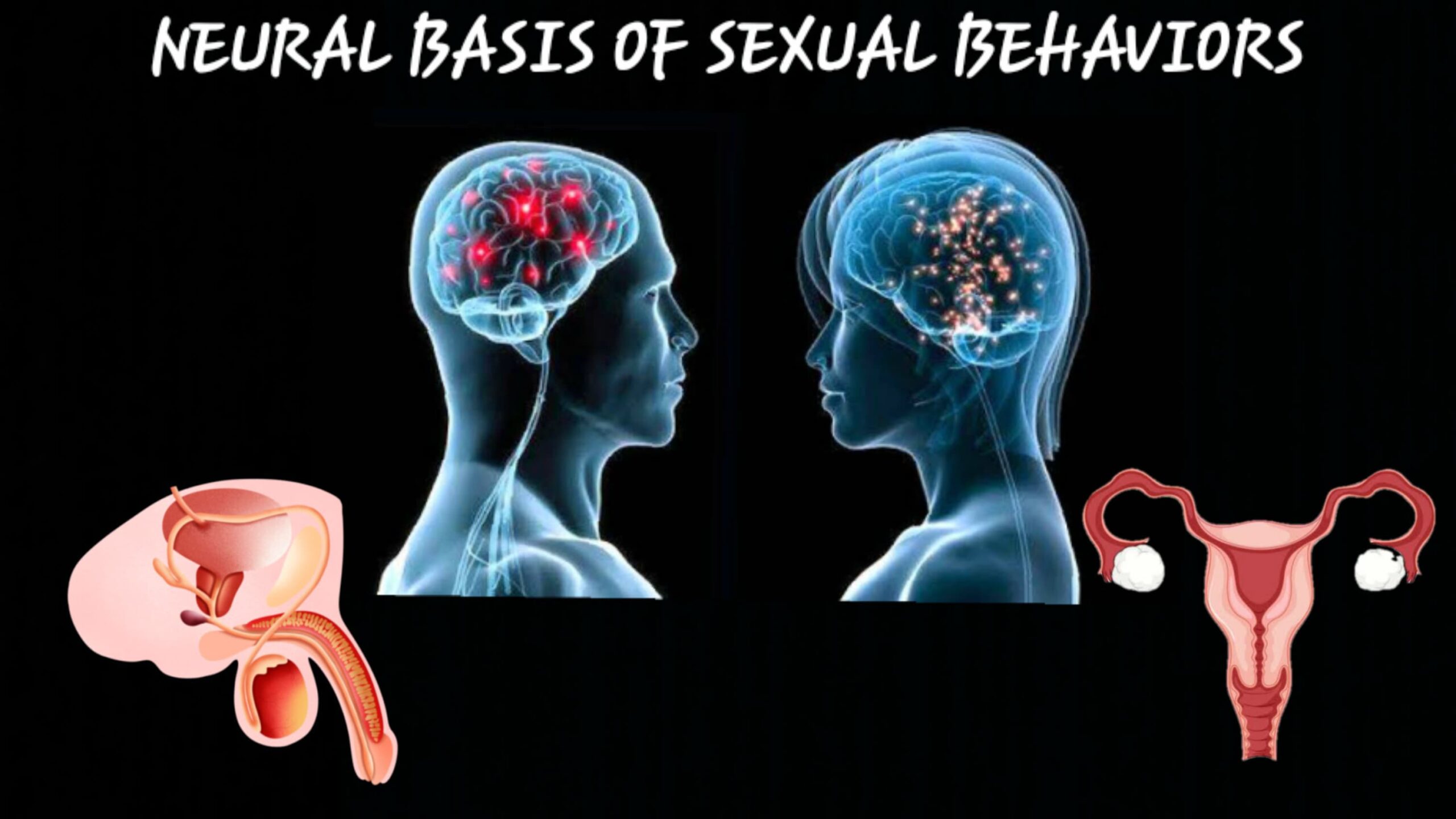
Sexuality is a highly complex, multidimensional phenomenon that ranges from the biological machinery of reproduction to diverse cultural traditions organizing human intimacy. This account enters into chosen dimensions, starting with autonomic and spinal neurons regulating genital functions, then mating strategy, and finishing with brain mechanisms essential for monogamy and parental drives.

Studies of human sexual physiology have focused predominantly on men, but we strive to provide information on both genders. Arousal causes blood engorgement in certain external genital organs—labia and clitoris in females, penis in males. These organs contain rich supplies of mechanoreceptors, particularly in the clitoris and penile glans, which react to stimulation, at times reflexively causing engorgement. Evidence for this comes from men with total spinal cord transection at thoracic or lumbar levels who continue to experience erections in response to mechanical penile stimulation.

Reproductive Organs and Their Control

In spite of dramatic anatomical differences, neural control of male and female reproductive organs is surprisingly similar. Sexual arousal is the result of psychological and sensory stimuli—visual, olfactory, somatosensory—and direct genital touch.

The sexual response cycle includes arousal, plateau, orgasm, and resolution, differing in length but uniform in physiological response. Cerebral cortex function, which is responsible for erotic thought, is integrated with spinal mechanisms that mediate sensory input and autonomic response. External and internal reproductive organs follow established somatosensory system pathways.

ADVERTISEMENT

Mechanoreceptors in the genitalia convey signals via dorsal roots of the sacral spinal cord, extending to dorsal horns and columns along the way to the brain.

READ ALSO

Step-Synchronized Brain Stimulation Reduces Falls in Small Parkinson’s Trial

For People Antidepressants Never Helped, a 30-Minute Home Session Is Now FDA-Approved

Engorgement and erection are derived from parasympathetic autonomic axons. These neurons, housed in the sacral spinal cord, are activated by mechanosensory stimulation or descending brain impulses, with the result enabling responses to mental arousal. Blood flow physiology controls engorgement of the clitoris and penis. Parasympathetic nerves release acetylcholine, vasoactive intestinal polypeptide (VIP), and nitric oxide (NO) into erectile tissues, causing relaxation of arterial smooth muscles, engorgement of spongy structures, and leading to tumescence. Viagra (sildenafil) reverses erectile dysfunction by augmenting NO effects. As the penis enlarges, inner tissues push against elastic connective coverings, providing rigidity. To provide smooth penetration, parasympathetic messages also cause lubrication from vaginal wall and bulbourethral gland.

ADVERTISEMENT

Completion of sexual response cycle requires sympathetic autonomic involvement. Increased genital sensory activity and cerebral inputs activate spinal sympathetic neurons at thoracic and lumbar levels, causing ejaculation in men—semen, driven through muscular contractions, issues from the urethra, coinciding with orgasmic feeling. In women, orgasm triggering is less specified but probably entails sympathetic mechanisms culminating in thickening of the vaginal walls and rhythmic contractions. Probing the neural substrate of orgasm presents daunting scientific challenges. Accommodating partners in an MRI apparatus poses practical obstacles, and interpretation of subjective responses to pleasure makes analysis more difficult.

ADVERTISEMENT

Experiments document widespread cortical and subcortical activations during orgasm, but localized neural sources of pleasure elude detection.

Epileptic seizures give clues; a few people have pre-seizure sexual auras associated with temporal lobe activity.

Surgical procedures that activate medial temporal or basal forebrain areas sometimes induce sexual arousal, and very rarely orgasmic feelings. After orgasm, men need a refractory period before they can experience another climax. Women have more variability in the frequency and intensity of orgasm. Resolution phase marks termination of sexual excitation, with blood leaving engorged tissues to return to baseline physiological conditions.

Mammals exhibit a remarkable diversity of reproductive behaviors.

Each strategy ultimately has one evolutionary purpose: securing the perpetuation of genes through maximizing offspring survival.

Mating system differences between species are usually determined by the amount of effort that females and males expend in raising their offspring, but exceptions exist. A common strategy in mammals is polygyny (from the Greek for “many women”), where one male mates with several females, yet each female mates with a single male in one or more breeding seasons. Polygynous reproduction (sustained by giraffes, orangutans, and the majority of mammalian communities) is of short-term occurrence, and with no subsequent participation of the male in his companions’ or their offspring’s affairs. There can be an ensuing harem association in certain societies, with the same top animal monopolizing courtship over the female collective to form an exclusive union, i.e., amongst gorillas, elephant seals, and certain patriarchal human civilizations. Polyandry (“many men”), where a woman mates with multiple men but each man mates with her alone, is rare among mammals and vertebrates.

A rare exception is the phalarope, a shorebird that breeds in the Arctic tundra.

Some species practice simultaneous polyandry, in which a woman lays eggs in the nests of several males and these males subsequently raise the chicks in her territory. Other animals practice sequential polyandry, in which the female abandons her mate and offspring after laying eggs. Polyandrous behavior is also seen in some marmoset and tamarin species. Polyandry in human cultures has been geographically widespread in the past but is now uncommon and occurs in only a minority of cultures. Polygyny and polyandry are both special cases of polygamy—having multiple mates. In monogamous systems (“one spouse”), a male and a female form an intimate partnership entailing exclusive (or near-exclusive) mating with each other. Monogamy occurs in merely 3% of mammalian species but in higher frequency in primates (around 12%) and most predominantly in birds (around 90%). Exclusive bonds may remain for life or continue only as long as the individual is until a new partner is chosen (serial monogamy). Human societies have displayed a variety of mating patterns throughout history and across cultures.

Generally, people prefer monogamy, if only for the short term, although polygyny is accepted in some cultures.

Even within societies that do accept polygyny, a majority of marriages are monogamous. Reproductive polyandry occurs infrequently, and in most societies in the past, women suspected of such behavior have been severely punished. Whereas evolutionary hypotheses strive to account for human mating systems, it continues to be challenging to identify the exact roles played by genetics and culture in constructing these behaviors.


  • Share on WhatsApp (Opens in new window) WhatsApp
  • Share on Facebook (Opens in new window) Facebook
  • Share on Reddit (Opens in new window) Reddit
  • Share on X (Opens in new window) X
  • Print (Opens in new window) Print
Shibasis Rath

Shibasis Rath

"𝓒𝓸𝓷𝓷𝓮𝓬𝓽𝓲𝓷𝓰 𝓡𝓮𝓼𝓮𝓪𝓻𝓬𝓱 𝓣𝓸 𝓡𝓮𝓪𝓵𝓲𝓽𝔂" 𝓲𝓼𝓷'𝓽 𝓙𝓾𝓼𝓽 𝓪 𝓜𝓸𝓽𝓽𝓸 - 𝓘𝓽'𝓼 𝓜𝔂 𝓜𝓲𝓼𝓼𝓲𝓸𝓷

Related Posts

Step-Synchronized Brain Stimulation Reduces Falls in Small Parkinson’s Trial
NEUROSCIENCE

Step-Synchronized Brain Stimulation Reduces Falls in Small Parkinson’s Trial

June 16, 2026
person behind fog glass
HEALTH SCIENCE

For People Antidepressants Never Helped, a 30-Minute Home Session Is Now FDA-Approved

May 26, 2026
woman in black jacket sitting on gray concrete wall during daytime
PSYCHOLOGY

Psychology Study Says, Why People Who Enjoy Being Alone Often Build Stronger Minds and Deeper Connections

May 21, 2026

POPULAR NEWS

Chewing gum releases thousands of microplastic particles directly into your mouth with every piece you chew

Chewing gum releases thousands of microplastic particles directly into your mouth with every piece you chew

by Shibasis Rath
May 8, 2026
0

Microplastics are turning up in places researchers never expected: deep-sea sediments, Arctic ice, and human blood. Now, a UCLA pilot...

New Studys Says Gen Z is the least sexually active young cohort in modern recorded history

New Studys Says Gen Z is the least sexually active young cohort in modern recorded history

by Shibasis Rath
January 24, 2026
0

A generation that grew up with dating apps in their pockets, pornography a tap away, and sex discussed more openly...

Yelling Isn’t Just Yelling: How a Hostile Home Rewires a Child’s Brain for Constant Alert

Yelling Isn’t Just Yelling: How a Hostile Home Rewires a Child’s Brain for Constant Alert

by Shibasis Rath
March 8, 2026
0

To a parent in the heat of the moment, a raised voice may feel like simple frustration. To a child...

a group of gen Z kids walking down a street

Is Gen Z the First Generation Less Intelligent Than Their Parents?

by Shibasis Rath
February 5, 2026
0

Gen Z intelligence decline is emerging as a serious concern among neuroscientists and education researchers. For over a century, each...

Whole Brain Emulation Achieved: Scientists Run a Fruit Fly Brain in Simulation

by Shibasis Rath
March 9, 2026
0

Scientists have copied an entire biological brain neuron by neuron and synapse by synapse and made it control a simulated...

EDITOR CHOICE‘S

  • All
  • NEWS
  • SPOTLIGHTS
Step-Synchronized Brain Stimulation Reduces Falls in Small Parkinson’s Trial

Step-Synchronized Brain Stimulation Reduces Falls in Small Parkinson’s Trial

by Staff Writer
June 16, 2026
0

Researchers have reported encouraging results from a small feasibility study testing a new form of adaptive deep brain stimulation (aDBS)...

A Father’s Touch in Infancy Can Shape a Child’s Health for Years, New Science Explains Why

A Father’s Touch in Infancy Can Shape a Child’s Health for Years, New Science Explains Why

by Staff Writer
June 9, 2026
0

A study from Penn State University has revealed something startling beneath that simplicity those early interactions carry biological consequences that...

MutExpress

South Asian Patients Have Been Left Out of Cancer Genomics for Decades & MutExpress-India Is Changing That

by Staff Writer
June 8, 2026
0

The databases that underpin modern cancer genomics have a geography problem. The gnomAD database the gold standard for allele frequency...

Biodiversity Loss

Biodiversity Loss Could Bankrupt Nations And Wall Street Hasn’t Noticed Yet

by Staff Writer
June 5, 2026
0

Every year, governments borrow trillions of dollars to function. The interest rate they pay depends almost entirely on their credit...

ADVERTISEMENT

RathBiotaClan – RBC

RathBiotaClan – Connecting Research To Reality

Your trusted source for life science news, biology research & discoveries. Covering neuroscience, genetics, ecology, and more — connecting research to reality.

About Us

Privacy Policies

Contact Us

Editorial Standard

Latest Posts

  • Step-Synchronized Brain Stimulation Reduces Falls in Small Parkinson’s Trial
  • A Father’s Touch in Infancy Can Shape a Child’s Health for Years, New Science Explains Why
  • South Asian Patients Have Been Left Out of Cancer Genomics for Decades & MutExpress-India Is Changing That
  • Biodiversity Loss Could Bankrupt Nations And Wall Street Hasn’t Noticed Yet

SHIBASIS RATH

Contact Mail

rathbiotaclan@gmail.com

No Result
View All Result
MSME (Udyam) Certified Science Platform
Govt. of India

Get Us On PlayStore

playstore app for rathbiotaclan
  • About Us
  • Advertise With Us
  • Cancellation and Refund Policy
  • Contact Us
  • Contribute
  • Editorial Standards
  • Home
  • Pricing Details
  • Privacy Policies
  • Shipping Policy
  • Terms & Conditions

© 2026 RathBiotaClan. All rights reserved.

Welcome Back!

Sign In with Google
OR

Login to your account below

Forgotten Password? Sign Up

Create New Account!

Sign Up with Google
OR

Fill the forms below to register

*By registering into our website, you agree to the Terms & Conditions and Privacy Policy.
All fields are required. Log In

Retrieve your password

Please enter your username or email address to reset your password.

Log In

Add New Playlist

No Result
View All Result
  • HOME
  • HEALTH SCIENCE
  • NEUROSCIENCE
    • PHYSIOLOGY
    • IMMUNOLOGY
    • CANCER
  • DISCOVERIES
    • SPOTLIGHTS
    • STUDENT PORTAL
    • SCIENCE FEATURED
  • MOLECULAR BIOLOGY
    • GENETICS
    • BIOTECHNOLOGY
    • BIOINFORMATICS
    • BIOCHEMISTRY
    • BIOPHYSICS
  • ZOOLOGY & ECOLOGY
    • ENVIRONMENTAL SCIENCE
    • ECOLOGY
    • EVOLUTION
  • MICRO & PLANT SCIENCE
    • MICROBIOLOGY
    • CELL BIOLOGY
    • DEVELOPMENTAL BIOLOGY
  • PSYCHOLOGY
  • Login
  • Sign Up
SAVED POSTS

© 2026 RathBiotaClan. All rights reserved.

This website uses cookies. By continuing to use this website you are giving consent to cookies being used. Visit our Privacy and Cookie Policy.