







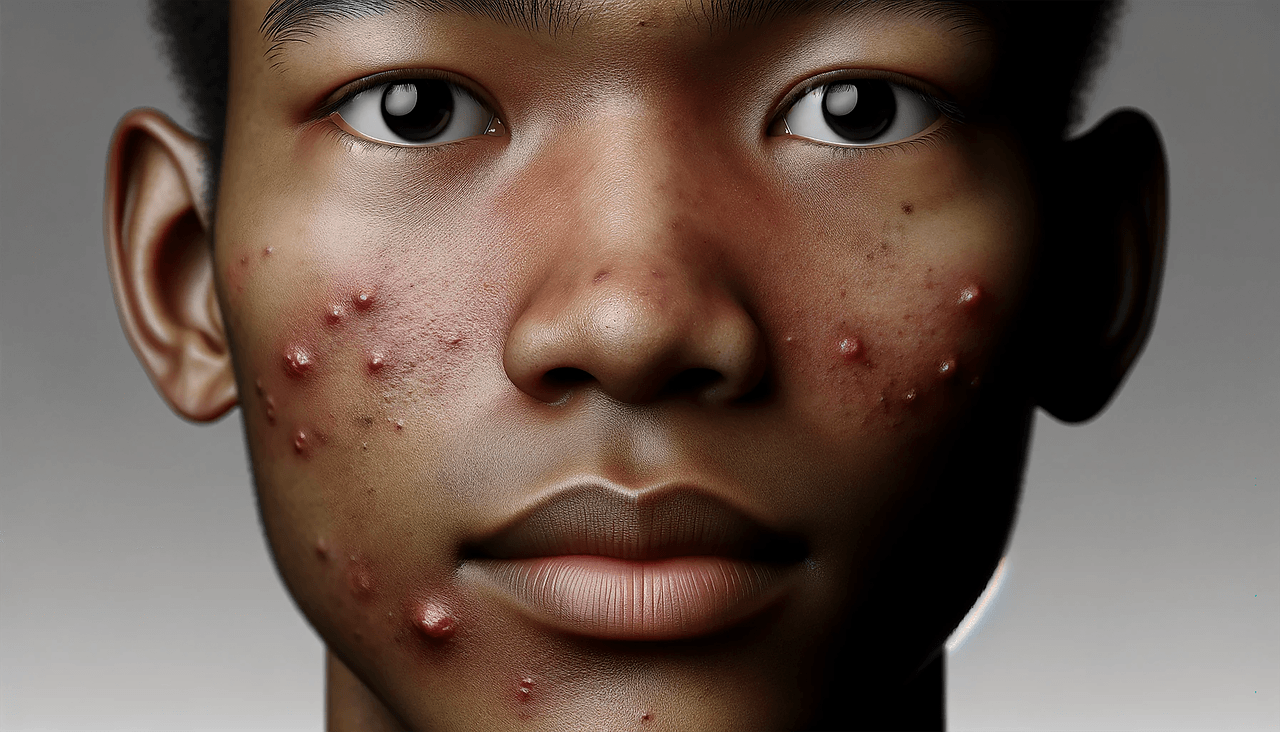
Hormones really matter for healthy skin as we go through life. They can really affect stuff like if your skin feels oily or has a nice moisture level, and also your skin’s elasticity, how springy and supple it is. So, one of the big keys to having no breakouts and having great skin any time around is really getting that hormone stuff down. The tricky part with skin is that hormones seem to go wild at times. They just sort of go bananas and they impact your oil and they impact your skin a whole bunch. When ladies find that out about their hormones and how they influence their skin, it really becomes pretty amazing how powerful communication with their skin really can be. Once you understand that hormone connection to your skin, you’ve got the start of managing blemishes and actually making sure at any age looking younger on the skin. Being in the know really allows you to improve your condition and shine better as you age.
Your skin is like a giant wall between you and the other side. It reacts to changes in hormones because it has special spots called receptors that recognize and latch onto them.
These receptors are in key parts of your skin:
- Oil glands: They are the oils that keep your skin and hair hydrated and soft.
- Hair stuff: Where your hair grows from, and where the oil glands hang out.
- Skin cells: These ones produce collagen and other stuff that keeps your skin pretty firm and smooth.
- Top skin layer: This is the main kind of cells making up the tough top layer of your skin and they’re in charge of keeping out all the yucky stuff.
Collagen production: Stimulates fibroblasts to produce collagen (types I and III), maintaining skin thickness and elasticity – Moisture retention: Increases hyaluronic acid production, enhancing skin hydration – Antioxidant activity: Offers some protection against UV damage and free radicals – Oil regulation: Generally helps maintain balanced sebum production During menopause, when estrogen levels decline significantly, women often notice increased dryness, thinning of the skin, and accelerated wrinkle formation. Studies show that in the first five years after menopause, women have about 30% less collagen content. Collagen decreases by 2% each and every year after that.
Progesterone
Progesterone plays several important roles in skin physiology: – Sebum regulation: Helps balance oil production when in proper ratio with estrogen – Water retention: Can influence skin hydration levels – Skin elasticity: Works with estrogen to maintain skin firmness Fluctuations in progesterone, particularly during the menstrual cycle or pregnancy, can impact skin appearance and function.

Image Subjected To : nhs.uk
Testosterone and Other Androgens
Androgens, including testosterone, DHEA, and DHT (dihydrotestosterone), significantly impact the skin:
- Sebum production: Increase oil secretion from sebaceous glands.
- Pore size: Can enlarge pores, particularly on the face
- Hair growth: Influence facial and body hair patterns
- Cellular turnover: Affect the rate of skin cell renewal
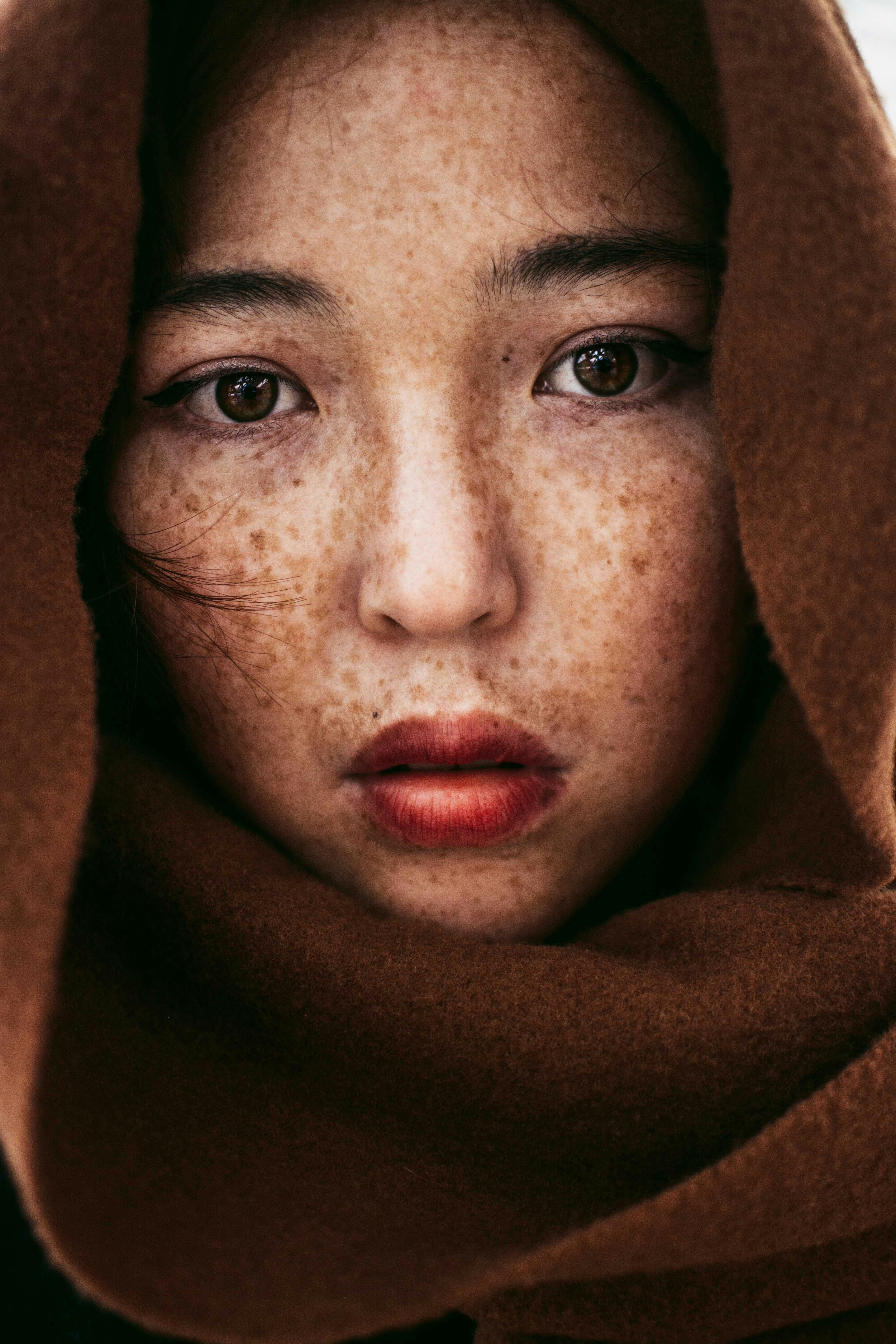
Women who have conditions like PCOS often struggle with something called hormonal acne. That androgens which are hormones that can be high really lead to bad and chronic breakouts on their skin, and also they can get way too much hair growing on their faces. Skin that gets really oily is also more common.
Cortisol (Stress Hormone)
Cortisol, produced by the adrenal glands in response to stress, has multiple effects on skin:.
- Collagen breakdown: Chronic elevation accelerates collagen degradation
- Inflammation: Triggers inflammatory responses that can worsen existing skin conditions
- Barrier function: Compromises the skin’s protective barrier
- Sebum production: Can increase oil production via cross-talk with androgen pathways
- Wound healing: Delays the skin’s natural repair processes
Studies show that people under really chronic stress often look older and sooner than they should and are more likely to develop different skin problems than others.
Thyroid Hormones
Thyroid hormones (T3 and T4) regulate cellular metabolism throughout the body, including the skin:. – Hypothyroidism: Results in dry, rough, pale skin with decreased sweating.
- Hyperthyroidism: Leads to thin, warm, smooth skin with increased sweating
- Hair quality: Affects hair texture, growth rate, and loss patterns
- Wound healing: Influences the speed and quality of skin repair
Melatonin
Primarily known for regulating sleep cycles, melatonin also functions as:
- Antioxidant: Protects skin cells from oxidative damage
- DNA repair: Supports cellular repair mechanisms during sleep
- Collagen synthesis: Enhances collagen production specifically during the overnight time when skin gets to work on regenerating itself. Trouble sleeping also disrupts production of melatonin which in turn affects skin repair and renewal.
Hormonal Acne: Beyond Teen Years
The Science of Acne Formation
Acne develops through a complex four-step process:
1. Follicular hyperkeratinization: Excess skin cells build up and clog pores
2. Increased sebum production: Often triggered by hormonal fluctuations
3. Bacterial colonization: Primarily by Cutibacterium acnes (formerly Propionibacterium acnes)
4. Inflammation: Immune response to bacteria and sebum
Types of Acne Lesions
Acne comes in different looks and each kind can give us clues about how far things are from being perfect.
Comedones:
– Whiteheads (closed comedones): Clogged pores with a white or flesh-colored appearance
– Blackheads (open comedones): Clogged pores can look really black if there’s oxidized melanin blocked inside them.
Inflammatory lesions:
– Papules: Small, red, tender bumps caused by inflammation
– Pustules: Pus-filled lesions with a yellow or white center
– Nodules: Larger, painful solid lesions extending deeper into the skin
– Cysts: Deep, painful, pus-filled lesions that can cause scarring
Location: Commonly affects the lower face (jawline, chin, and around the mouth).
Timing: Frequently flares before or during menstruation.
Appearance: Tends toward deeper, cystic lesions rather than numerous small pimples.
Persistence: Can be more resistant to conventional treatments.
Hormonal Triggers for Acne
Several hormonal conditions can trigger or worsen acne:
- Menstrual cycles: Fluctuations in estrogen and progesterone.
- Polycystic Ovary Syndrome (PCOS): Elevated androgens affecting up to 10% of women.
- Pregnancy: Dramatic hormonal shifts, particularly in the first trimester.
- Menopause transition: Declining estrogen with relatively higher androgen activity.
- Stress: Increased cortisol production.
- Insulin resistance: Can increase androgen production and sensitivity.
Hormones and Skin Aging
Skin aging involves complex changes at multiple levels:
- Epidermis: Thins with decreased cell turnover and hydration.
- Dermis: Loses collagen, elastin, and hyaluronic acid.
- Subcutaneous fat: Diminishes, reducing plumpness and support.
- Extracellular matrix: Degrades, leading to structural changes.
Hormones, particularly estrogen, play critical roles in maintaining these skin components.
Estrogen Decline and Skin Changes
Research shows that postmenopausal women experience:
- Collagen loss: 30% reduction within the first five years of menopause.
- Skin thinning: 1.13% annual decrease in dermal thickness.
- Decreased elasticity: 0.55% annual reduction in skin elasticity.
- Reduced hydration: Significant decrease in skin moisture retention.
These changes accelerate the formation of fine lines, wrinkles, and sagging skin.
Hormonal Influence on Matrix Metalloproteinases (MMPs)
MMPs are powerful enzymes that act like demolitionists, breaking down collagen and other essential structural components. Their activity is regulated by hormones:
- Estrogen: Inhibits MMP activation, protecting collagen.
- Cortisol: Increases MMP activity, accelerating collagen breakdown.
- Androgens: Can stimulate specific MMPs in some contexts.
Excessive UV exposure significantly increases MMP production, leading to premature wrinkling and skin aging. This is why consistent sunscreen use is essential for maintaining youthful skin.
Evidence-Based Treatment for Hormonal Skin Disorders
Treating Hormonal Acne
Effective therapy addresses the hormonal etiology of acne:
- Oral contraceptives: Certain combination pills containing ethinyl estradiol, norgestimate, norethindrone acetate, or drospirenone regulate androgens. They are FDA-approved treatments for controlling hormonal acne.
- Spironolactone: An anti-androgen drug that inhibits the effects of testosterone on the skin (used off-label).
- Topical retinoids: Normalizes follicular keratinization and has anti-inflammatory action.
- Benzoyl peroxide: Decreases C. acnes populations and has weak anti-inflammatory activity.
- Prescription antibiotics: For moderate to severe inflammatory acne.
- Isotretinoin: Potent treatment of severe, resistant acne (poses strict pregnancy prevention measures).
Hormone Related Aging And Evidence On Treatments
Retinoids
Retinoids stimulate collagen production and inhibit matrix metalloproteinases (MMPs), which degrade skin structure:
- Tretinoin (0.025-0.1%) – The gold standard with extensive clinical support.
- Adapalene, tazarotene – Second-generation retinoids with potentially less irritation.
Antioxidants
Antioxidants combat free radical damage that accelerates aging:
- Vitamin C (L-ascorbic acid 10-20%) – Boosts collagen production and provides photoprotection.
- Vitamin E – Works synergistically with vitamin C.
- Niacinamide (Vitamin B3) – Strengthens the skin barrier and reduces hyperpigmentation.
- Coenzyme Q10, idebenone – Support cellular energy and protect against oxidative stress.
- Green tea polyphenols – Offer anti-inflammatory and photoprotective benefits.
Peptides
Peptides signal cells to increase collagen production:
- Palmitoyl pentapeptide-4 (Matrixyl)
- Acetyl hexapeptide-8 (Argireline)
- Copper peptides
Growth Factors
These compounds encourage cell renewal and extracellular matrix formation, promoting skin rejuvenation.
Hormone Replacement Therapy (HRT)
Research suggests that women on HRT have 48% higher skin collagen levels than those who are not. However, potential skin benefits should be carefully weighed against associated risks.
Lifestyle Strategies for Hormonal Balance
A healthy diet and lifestyle play a crucial role in managing hormone-related skin concerns:
- Anti-inflammatory diet – Reducing high-glycemic foods and dairy may improve acne.
- Stress management – Relaxation, yoga, and meditation help regulate cortisol levels.
- Sleep optimization – Essential for melatonin production and skin repair.
- Regular exercise – Balances hormones and improves insulin sensitivity.
Prevention Strategies for Hormone-Related Skin Changes
Daily Sun Protection
UV exposure accelerates collagen breakdown through:
- Direct DNA damage
- Generation of reactive oxygen species
- MMP activation
Applying a broad-spectrum SPF 30+ sunscreen daily and reapplying every two hours during sun exposure is crucial in preventing premature aging.
Comprehensive Skincare Routine
An optimal skincare regimen should include:
- Gentle cleansing – Preserves the skin barrier without stripping natural oils.
- Hydration – Moisturizers tailored to individual skin types.
- Active ingredients – Personalized treatment based on specific skin concerns.
- Consistency – Regular application of clinically proven skincare products.
Addressing Underlying Conditions
Managing hormonal imbalances significantly improves skin health:
- Thyroid disorders – Proper diagnosis and treatment.
- Insulin resistance – Controlled with diet, exercise, and medication as needed.
- PCOS – Managed through a combination of lifestyle modifications and medical interventions.
SO WHAT WE GOT ?
The intricate connection between hormones and skin health affects both acne development and aging processes. Understanding these interactions allows for targeted and effective treatments at any stage of life.
By integrating medical therapies with lifestyle interventions that promote hormonal equilibrium, achieving healthier, more youthful skin is possible regardless of age or hormonal status. A personalized approach, considering individual hormone profiles, skin type, and unique concerns, offers the most effective path forward.
Consulting a healthcare professional knowledgeable about the hormone-skin relationship can help develop a holistic treatment plan, addressing both visible symptoms and underlying hormonal influences to optimize skin health.
- Many people might assume this is AI-generated content, but you may not completely incorrect.
- As I have previously stated, my goal is to bridge research with real-world applications.
- I aim to collect valuable information and present it in a way that enhances understanding.
- To ensure clarity and accessibility, I structure content in concise points for quick reading while maintaining detailed insights.
- If you think there are too many points, it’s intentionally written this way for easier understanding, backed by peer-reviewed research from across the internet.