





Saturday, May 16, 2026
SAVED POSTS
  • Login
  • Register
RathBiotaClan
No Result
View All Result
  • HOME
  • HEALTH SCIENCE

    TRENDING ON HEALTH (TOP)

    Cycling Linked to Lower Dementia Risk in Study of Nearly 480,000 Adults
    First oral GLP-1 weight-loss pill approved a new era for accessible treatment

    Chewing gum releases thousands of microplastic particles directly into your mouth with every piece you chew

    Single-Cell Study of Over a Million Immune Cells Reveals Why Women Are More Prone to Autoimmune Disease

    NOW ON AIR (RBC)

    A new study has found that men’s brains shrink faster than women’s as they age.
    NEUROSCIENCE

    12,638 MRI Scans Confirm Men’s Brains Shrink Faster in PNAS Study

    May 14, 2026
    ENVIRONMENTAL SCIENCE

    Volcanic Eruptions Can Destroy Their Own Methane — Tonga’s Plume Shows How

    May 13, 2026
    3 men standing on rocky shore during daytime
    MOLECULAR BIOLOGY

    For Future Space Missions, Molecular Ecology Finally Offers a Clear Biosignature Target

    May 12, 2026
    Babies Yawn in the Womb
    DEVELOPMENTAL BIOLOGY

    Scientists Say Babies May Learn to Yawn Before Birth

    May 11, 2026
  • NEUROSCIENCE
    • PHYSIOLOGY
    • IMMUNOLOGY
    • CANCER
  • DISCOVERIES
    • SPOTLIGHTS
    • STUDENT PORTAL
    • SCIENCE FEATURED
  • MOLECULAR BIOLOGY
    • GENETICS
    • BIOTECHNOLOGY
    • BIOINFORMATICS
    • BIOCHEMISTRY
    • BIOPHYSICS
  • ZOOLOGY & ECOLOGY
    • ENVIRONMENTAL SCIENCE
    • ECOLOGY
    • EVOLUTION
  • MICRO & PLANT SCIENCE
    • MICROBIOLOGY
    • CELL BIOLOGY
    • DEVELOPMENTAL BIOLOGY
  • PSYCHOLOGY
RathBiotaClan
RathBiotaClan
No Result
View All Result
Home PHYSIOLOGY

How Bee Stings Work and Their Effects

Shibasis Rath by Shibasis Rath
September 10, 2024
in PHYSIOLOGY, SCIENCE FEATURED, ZOOLOGY
Reading Time: 7 mins read
0
A A
0
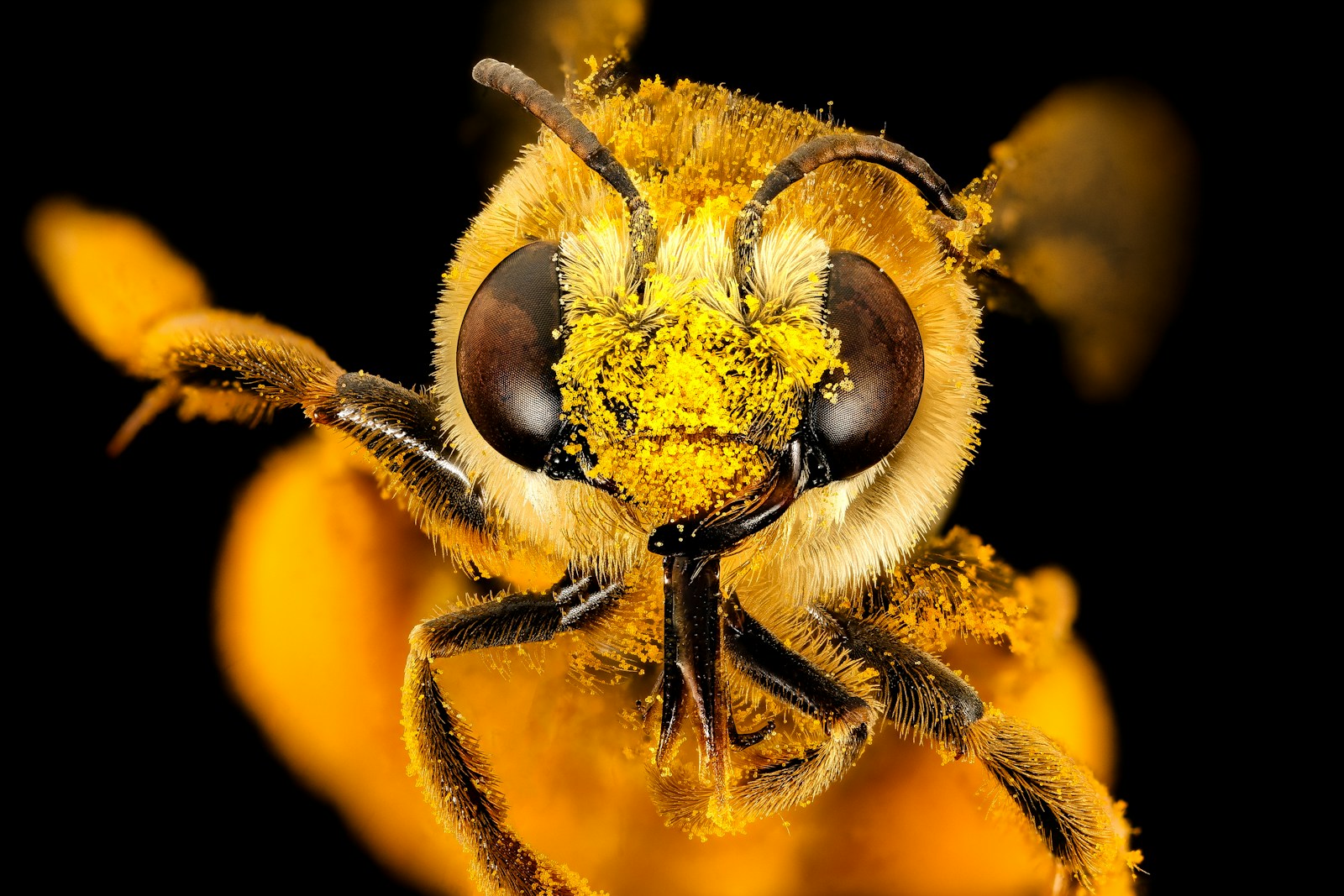
yellow and black bee on orange flower

In the colorful world of bees, the sting has been considered for far too long as an evil tool of defense. Other than the pain it causes, the process of the bee sting is pretty interesting biologically. This blog looks at the inner anatomy of the bee stinger, how it works, and its effects on humans in a quest to shed light on this complex set of defenses.

Anatomy of a Bee Sting

A bee sting is much more than just a painful poke; it is a complex weapon with several parts that work together in order to complete its mission. The actual sting represents a modified ovipositor, which is the egg-laying organ for female bees. This has evolved into a sharp, barbed appendage used to inject venom.

1. Structure of the Sting:

It consists of three main parts:

Shaft: This is the narrow, elongated part of the stinger that pierces the skin. This is barbed, which helps the sting anchor in the skin, but also causes it to get stuck.

ADVERTISEMENT

The Venom Sac: This is attached to the shaft and contains the toxins responsible for the pain and inflammation.

READ ALSO

Volcanic Eruptions Can Destroy Their Own Methane — Tonga’s Plume Shows How

Scientists Say Babies May Learn to Yawn Before Birth

Dorsal Plate: This is a cover that overlays the venom sac, and helps in regulating the amount of venom to be ejected.

ADVERTISEMENT

2. Barbed Design:

The presence of barbs along the shaft is very helpful in ensuring that the sting remains in the skin for some time. Because the bee tries to pull itself away from the skin, it becomes difficult for the sting to come out of the skin easily due to the presence of barbs. This results in a greater amount of venom being let out into the victim’s body.

How Does the Bee Sting Work?

It is an extremely elaborate, immediate process when a bee stings.

The sequence of events goes like this:

ADVERTISEMENT

1. Detection and Insertion:

When a bee senses that there is some threat, it stings using its stinger for defense. The skin is penetrated by the stinger of the bee, driven into the skin both by muscular contraction and pressure from the venom sac.

2. Poison Injection:

While this is occurring, as the sting burrows deeper, the venomous sac begins pumping its toxins deep into the wound. The venom itself was a combination of proteins, peptides, and enzymes which cause pain, swelling, and redness. The major proteins, among which is melittin, disrupt cellular membranes, adding to the inflammatory response.

3. Sting Withdrawal:

Bees cannot withdraw their stingers as easily, due to their barbs, compared to wasps. The bee, while trying to fly away, leaves the sting, which includes part of its abdomen and its internal organs, behind. It generally leads to the death of the bee.

4. Chemical Signals:

Apart from venom, the poisons also contain pheromones, which signal other bees to attack. Such chemical signals could attract more bees at the site, making the defensive response larger.

Why Do Bees Die After Stinging?

Bees die after stinging due to their unique anatomy and the process of stinging itself.

The various key factors are as follows:

1. Anatomical Design:

The bee has a modified ovipositor which has evolved to modify as a defense weapon. It is barbed, and the moment the sting pierces through the skin of an animal, the barbs catch and fasten the sting in the tissue. The design serves effectively for injecting venom into its victim but somehow does not let the insect draw it out.

2. Barbed Stinger:

Bees, unlike wasps and hornets that sting repeatedly, have a barbed sting that lodges into the skin. In an attempt to fly away, these barbs tear at the surrounding tissue, pulling out not only the stinger but also a large portion of the abdomen and internal organs of the bee. Quite a traumatic process, it ends up killing the bee. The stinger and the attached venom sac get torn off the body, along with parts of the digestive system, muscles, and nerves.

3. Internal Damage:

With the tearing away of the stinger, an open wound is left in the abdomen of the bee through which crucial internal systems such as the digestive tract and other vital organs are disrupted. It is the loss of such organs and the intense internal damages that prove fatal for the insect.

4. Sacrificial Defense:

This is an evolutionarily developed sacrificial defense mechanism because, while sacrificing its life, the bee provides an effective deterrent to predators and intruders. Its loss is compensated for by the protection afforded to the colony. The sting of the bee releases alarm pheromones that can mobilize other bees to defend the hive, therefore enhancing the colony’s chances of survival.

5. Advantage to the Colony:

Although it is a sad occurrence to lose a single bee, it sort of becomes a tactical sacrifice. The venom and alarm pheromones induce an increased defense response from the colony as a means to benefit the hive by defending against larger and more threatening invaders of the hive and helping to ensure the survival of the remaining members.

Human Reaction

The human body reacts to a bee sting in a multi-stage process:

1. Immediate Reaction:

Pain, redness, and swelling develop almost immediately because of the direct action of venom on skin cells and blood vessels. The venom is recognized by the body’s immune system as something foreign. It, therefore, develops an inflammatory response.

2. Local Reaction:

The reaction usually confines itself to the region around the sting. Symptoms of itching, warmth, and tenderness may persist for several hours up to several days.

3. Systemic Reaction:

In a few individuals, particularly those who are allergic to the venom from bees, a systemic reaction may ensue. This could include other more serious symptoms like urticaria, difficulty breathing, and even anaphylaxis-a serious, and potentially deadly allergic reaction that requires immediate medical attention.

Treatment and Prevention

If you are stung by a bee, proper treatment of the sting is important to ensure minimal discomfort and to avoid complications:

1. Take the Sting off:

If the sting remains inside, then carefully take it out using a pair of tweezers or with a flat edge. Do not take it off with your fingers because doing so may press more venom into the wound.

2. Clean the area well with soap and water:

This reduces the chance of infection in the area.

3. Apply Cold Compress:

In order to reduce the swelling and the pain, one should apply cold compression to the area.

4. Over-the-Counter Medications:

Antihistamines and topical creams reduce itching and swelling.

5. Look out for Allergic Reactions:

If these symptoms develop-inability to breathe, or swelling which is spreading away from the site of the sting-immediate medical help must be sought in the casualty department of the nearest hospital.

Conclusion

While painful, the bee sting is a wonder of nature’s defenses. Understanding anatomy and the effects not only helps in mitigating immediate discomfort but also fosters appreciation for the detailed ways these remarkable insects interact with their environment. The sting of a bee is generally not dangerous to most people, though, awareness and preparedness makes all the difference in ensuring a safe, informed response

Read More Topics:

  • 12,638 MRI Scans Confirm Men’s Brains Shrink Faster in PNAS Study
  • Volcanic Eruptions Can Destroy Their Own Methane — Tonga’s Plume Shows How
  • For Future Space Missions, Molecular Ecology Finally Offers a Clear Biosignature Target
  • Scientists Say Babies May Learn to Yawn Before Birth
  • Cycling Linked to Lower Dementia Risk in Study of Nearly 480,000 Adults

  • Share on WhatsApp (Opens in new window) WhatsApp
  • Share on Facebook (Opens in new window) Facebook
  • Share on Reddit (Opens in new window) Reddit
  • Share on X (Opens in new window) X
  • Print (Opens in new window) Print
Shibasis Rath

Shibasis Rath

"𝓒𝓸𝓷𝓷𝓮𝓬𝓽𝓲𝓷𝓰 𝓡𝓮𝓼𝓮𝓪𝓻𝓬𝓱 𝓣𝓸 𝓡𝓮𝓪𝓵𝓲𝓽𝔂" 𝓲𝓼𝓷'𝓽 𝓙𝓾𝓼𝓽 𝓪 𝓜𝓸𝓽𝓽𝓸 - 𝓘𝓽'𝓼 𝓜𝔂 𝓜𝓲𝓼𝓼𝓲𝓸𝓷

Related Posts

Volcanic Eruptions Can Destroy Their Own Methane — Tonga’s Plume Shows How
ENVIRONMENTAL SCIENCE

Volcanic Eruptions Can Destroy Their Own Methane — Tonga’s Plume Shows How

May 13, 2026
Babies Yawn in the Womb
DEVELOPMENTAL BIOLOGY

Scientists Say Babies May Learn to Yawn Before Birth

May 11, 2026
Low Sexual Frequency Linked to Worse Cardiovascular Outcomes, Two US Studies Find
SCIENCE FEATURED

Low Sexual Frequency Linked to Worse Cardiovascular Outcomes, Two US Studies Find

May 5, 2026

POPULAR NEWS

Chewing gum releases thousands of microplastic particles directly into your mouth with every piece you chew

Chewing gum releases thousands of microplastic particles directly into your mouth with every piece you chew

by Shibasis Rath
May 8, 2026
0

Microplastics are turning up in places researchers never expected: deep-sea sediments, Arctic ice, and human blood. Now, a UCLA pilot...

Yelling Isn’t Just Yelling: How a Hostile Home Rewires a Child’s Brain for Constant Alert

Yelling Isn’t Just Yelling: How a Hostile Home Rewires a Child’s Brain for Constant Alert

by Shibasis Rath
March 8, 2026
0

To a parent in the heat of the moment, a raised voice may feel like simple frustration. To a child...

a group of gen Z kids walking down a street

Is Gen Z the First Generation Less Intelligent Than Their Parents?

by Shibasis Rath
February 5, 2026
0

Gen Z intelligence decline is emerging as a serious concern among neuroscientists and education researchers. For over a century, each...

Whole Brain Emulation Achieved: Scientists Run a Fruit Fly Brain in Simulation

by Shibasis Rath
March 9, 2026
0

Scientists have copied an entire biological brain neuron by neuron and synapse by synapse and made it control a simulated...

Global Sperm Counts Have Dropped 50% in 50 Years Now 128 Men Are Racing Their Way to a $100,000 Prize to Prove the Point

Global Sperm Counts Have Dropped 50% in 50 Years Now 128 Men Are Racing Their Way to a $100,000 Prize to Prove the Point

by Staff Writer
May 5, 2026
0

A group of technology entrepreneurs is staging a competitive event in San Francisco in which semen samples from 128 men...

EDITOR CHOICE‘S

  • All
  • NEWS
  • SPOTLIGHTS
A new study has found that men’s brains shrink faster than women’s as they age.

12,638 MRI Scans Confirm Men’s Brains Shrink Faster in PNAS Study

by Staff Writer
May 14, 2026
0

A large-scale analysis of brain scans taken over time has found that men's brains shrink faster than women's across a...

Volcanic Eruptions Can Destroy Their Own Methane — Tonga’s Plume Shows How

Volcanic Eruptions Can Destroy Their Own Methane — Tonga’s Plume Shows How

by Shibasis Rath
May 13, 2026
0

A study published in Nature Communications analyzed the Hunga Tonga-Hunga Ha'apai volcano eruption's impact on methane in the atmosphere. It...

3 men standing on rocky shore during daytime

For Future Space Missions, Molecular Ecology Finally Offers a Clear Biosignature Target

by Shibasis Rath
May 12, 2026
0

When the next generation of probes scoops up dust from the icy shell of Europa or the surface of Mars,...

Babies Yawn in the Womb

Scientists Say Babies May Learn to Yawn Before Birth

by Shibasis Rath
May 11, 2026
0

Mothers can spread yawns to their yet-to-be-born offspring during pregnancy, researchers report May 5 in Current Biology  the first empirical evidence...

ADVERTISEMENT

RathBiotaClan – RBC

RathBiotaClan – Connecting Research To Reality

Your trusted source for life science news, biology research & discoveries. Covering neuroscience, genetics, ecology, and more — connecting research to reality.

Privacy Policies

Contact Us

About Us

Editorial Standards

Latest Posts

  • 12,638 MRI Scans Confirm Men’s Brains Shrink Faster in PNAS Study
  • Volcanic Eruptions Can Destroy Their Own Methane — Tonga’s Plume Shows How
  • For Future Space Missions, Molecular Ecology Finally Offers a Clear Biosignature Target
  • Scientists Say Babies May Learn to Yawn Before Birth

SHIBASIS RATH

Contact Mail

rathbiotaclan@gmail.com

No Result
View All Result
MSME (Udyam) Certified Science Platform
Govt. of India

Get Us On PlayStore

playstore app for rathbiotaclan
  • About Us
  • Advertise With Us
  • Cancellation and Refund Policy
  • Contact Us
  • Contribute
  • Editorial Standards
  • Home
  • Pricing Details
  • Privacy Policies
  • Shipping Policy
  • Terms & Conditions

© 2026 RathBiotaClan. All rights reserved.

Welcome Back!

Sign In with Google
OR

Login to your account below

Forgotten Password? Sign Up

Create New Account!

Sign Up with Google
OR

Fill the forms bellow to register

*By registering into our website, you agree to the Terms & Conditions and Privacy Policy.
All fields are required. Log In

Retrieve your password

Please enter your username or email address to reset your password.

Log In

Add New Playlist

No Result
View All Result
  • HOME
  • HEALTH SCIENCE
  • NEUROSCIENCE
    • PHYSIOLOGY
    • IMMUNOLOGY
    • CANCER
  • DISCOVERIES
    • SPOTLIGHTS
    • STUDENT PORTAL
    • SCIENCE FEATURED
  • MOLECULAR BIOLOGY
    • GENETICS
    • BIOTECHNOLOGY
    • BIOINFORMATICS
    • BIOCHEMISTRY
    • BIOPHYSICS
  • ZOOLOGY & ECOLOGY
    • ENVIRONMENTAL SCIENCE
    • ECOLOGY
    • EVOLUTION
  • MICRO & PLANT SCIENCE
    • MICROBIOLOGY
    • CELL BIOLOGY
    • DEVELOPMENTAL BIOLOGY
  • PSYCHOLOGY
  • Login
  • Sign Up
SAVED POSTS

© 2026 RathBiotaClan. All rights reserved.

This website uses cookies. By continuing to use this website you are giving consent to cookies being used. Visit our Privacy and Cookie Policy.