





In the late 1800s, long before the first rockets pierced Earth’s atmosphere, visionary scientists began investigating the physiological effects of high altitudes using balloon experiments. These pioneering studies involved sending animals aloft in high-altitude balloons to examine how the human body might respond to thinning air, reduced atmospheric pressure, and decreasing oxygen levels. These early explorations laid critical scientific groundwork for space medicine. By observing changes in respiration, consciousness, and survival in these conditions, researchers gained preliminary insights that would later prove essential in developing life support systems for future space missions. Though primitive by today’s standards, these experiments signified humankind’s first attempt to study how life might adapt to extraterrestrial environments.
Early Space Missions (1940s – 1950s)
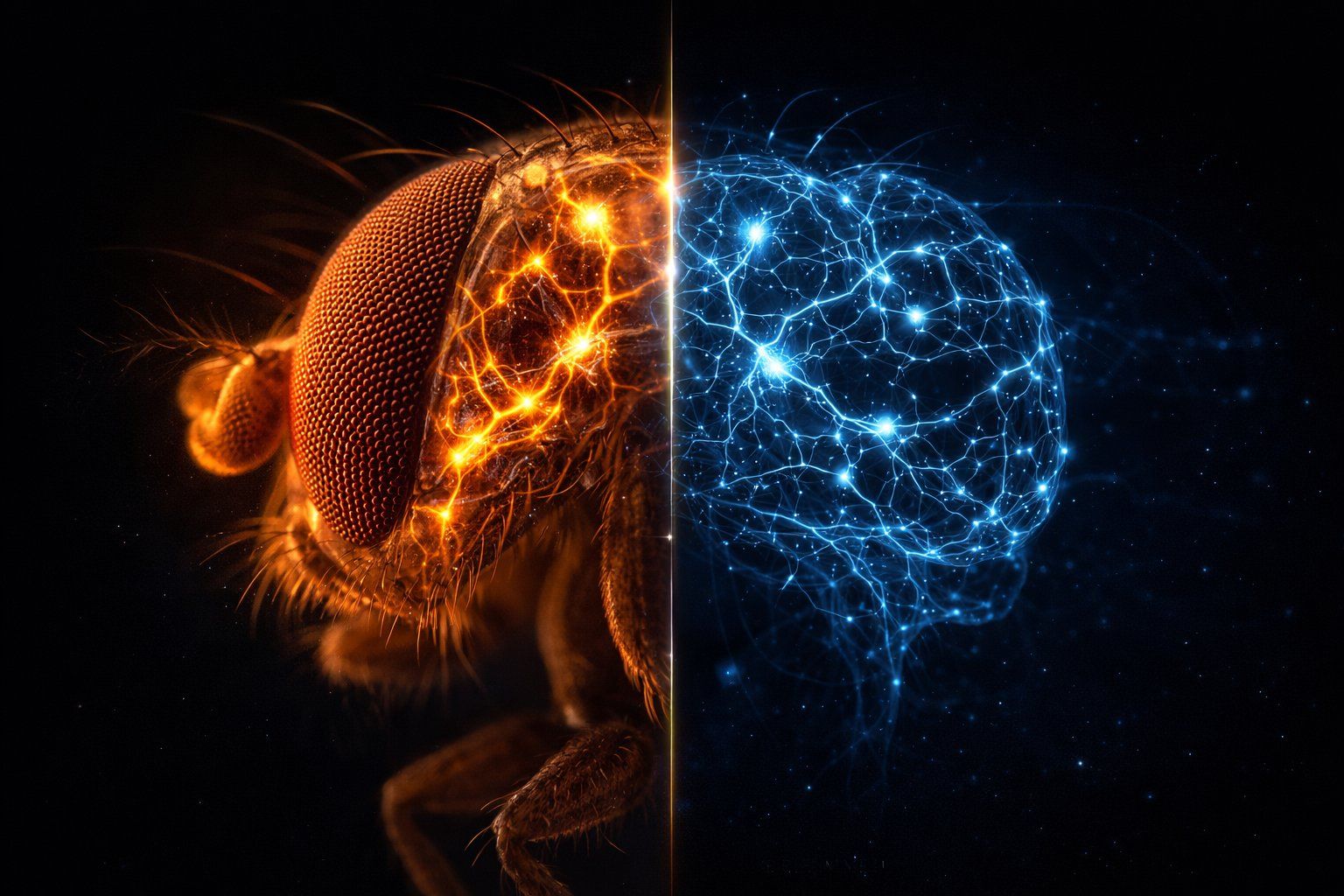
The modern era of biological space research began in earnest in 1947, when the United States launched fruit flies aboard a captured German V-2 rocket from White Sands, New Mexico. This mission, occurring on June 14, marked the first time living organisms were sent beyond Earth’s atmosphere. The fruit flies were used to study the effects of radiation exposure and microgravity at high altitudes. Their successful recovery signaled a milestone in experimental space biology, showing that life could endure the brief and intense conditions of spaceflight.

The following year, on June 11, 1948, the U.S. launched Albert I, a rhesus monkey, marking the first primate sent into space. Unfortunately, technical failures resulted in mission failure, and the animal did not survive. A year later, Albert II was launched on June 14, 1949, and did reach space but also died on impact due to parachute failure. These early missions underscored the enormous technical challenges of sending mammals to space and recovering them safely, which spurred innovations in capsule design, life support systems, and recovery procedures.
Meanwhile, the Soviet Union began its own biological research with dogs. On August 31, 1951, the Soviet R-1 rocket carried two dogs, Tsygan and Dezik, to the edge of space. Unlike earlier missions, these animals were successfully recovered, making them the first mammals to survive a spaceflight. This success established that mammals, including potentially humans, could endure the launch, high-altitude exposure, and re-entry sequence with proper care and equipment.
One of the most emotionally resonant moments in early space exploration came on November 3, 1957, when the Soviet Union launched Sputnik 2 with Laika, a stray dog from the streets of Moscow, aboard. Laika became the first living being to orbit Earth. Although she perished during the mission due to overheating and stress, her journey yielded groundbreaking data on life in orbit and intensified global discussions about ethics in space research.
1960s – Early Milestones in Biological Space Research
By the 1960s, both the U.S. and USSR had advanced significantly in their understanding of spaceflight biology. On August 19, 1960, Soviet dogs Belka and Strelka orbited the Earth aboard Sputnik 5 and returned safely. This mission was pivotal—it demonstrated for the first time that living beings could not only survive the rigors of spaceflight but also return unharmed, thereby validating the potential for human space travel. These dogs were accompanied by mice, plants, and other organisms, further broadening the biological dataset.
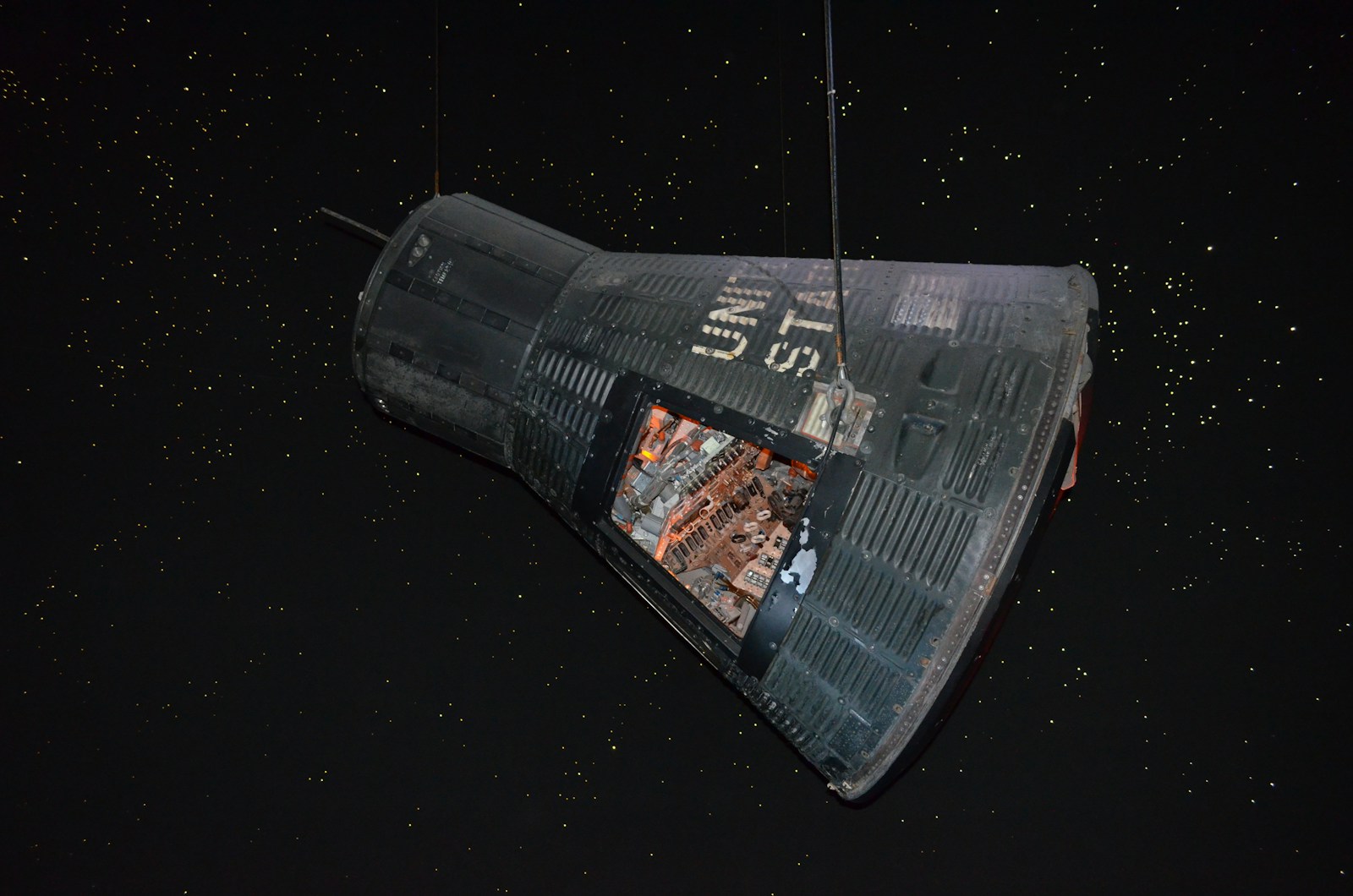
The U.S. took a major step with the launch of Ham the chimpanzee on January 31, 1961. Ham was trained to perform tasks during his flight aboard the Mercury-Redstone 2 capsule, making him the first primate to demonstrate cognitive and motor functions under space conditions. His successful mission provided NASA with critical confidence to proceed with manned flights.
Another important milestone came on October 18, 1963, when France entered the domain of space biology by launching Félicette, a cat, into space. The mission aimed to study neurological responses in microgravity. Electrodes implanted in her brain transmitted valuable neurological data, and this marked one of the earliest examples of neurobiology research in spaceflight.
1970s – Expansion of Biological Research
During the 1970s, biological space research expanded in both scope and ambition. On October 14, 1973, the Soviet Union launched Bion 1, the first in a series of missions designed specifically to study the biological effects of long-term space exposure. This mission carried a variety of species, including tortoises, insects, bacteria, and fungi. The results of Bion 1 provided a multi-dimensional view of how different organisms responded to the stresses of weightlessness, cosmic radiation, and confinement.
The Bion program continued to evolve, and by December 14, 1979, the Bion 6 mission sent two rhesus monkeys, Abrek and Bion, into orbit for 19 days. This marked one of the longest biological missions at the time, offering extensive data on how spaceflight affected mammalian systems, including cardiovascular and musculoskeletal function.
1980s – 1990s: The Space Shuttle Era and Collaborative Research
The 1980s saw the dawn of NASA’s Space Shuttle program, which provided a reusable platform for conducting space experiments. On November 28, 1983, Spacelab-1 flew aboard the space shuttle Columbia, enabling a new era of biological experimentation in microgravity. Researchers conducted a range of experiments involving human physiology, cellular biology, and life sciences, showcasing the potential of modular labs in orbit.
With international collaboration growing, the Bion 10 mission launched on December 29, 1992. This mission brought together scientists from various countries to study the effects of microgravity on frogs, fish, and plants. It was one of the earliest examples of global cooperation in biological space research, emphasizing how space science had evolved into a shared human endeavor.
NASA’s STS-77 mission, launched on May 19, 1996, focused on understanding the skeletal and muscular deterioration that occurs in microgravity. Rodents were observed for changes in bone density and muscle mass—critical areas of study for planning long-term human missions to the Moon and Mars.
The STS-90 mission, also known as Neurolab, launched on April 17, 1998, took this a step further by studying how the nervous system reacts to spaceflight. Using a diverse group of animals including rats, mice, and crickets, the mission advanced our understanding of how sensory and motor systems adapt to the absence of gravity.
2000s – 2020s: International Space Station and Beyond
With the completion of the International Space Station (ISS), the 21st century opened new frontiers in space biology. In 2008, the European Space Agency (ESA) installed the Biolab module on the ISS, significantly enhancing the station’s capacity for biological research. The module allowed scientists to perform sophisticated cellular, molecular, and tissue-level studies in microgravity over extended periods.
China emerged as a major player in space biology with the launch of Shenzhou 8 on November 1, 2011. This mission was part of a collaborative effort with Germany to study embryonic development in microgravity, focusing on the complex interplay between space conditions and early biological development.
In 2013, China’s Shenzhou 10 mission continued to study mammalian physiology in orbit, while ESA’s Bion-M1 mission examined bone and muscle loss using mice. These missions extended our understanding of the impacts of prolonged weightlessness on mammalian biology and informed the design of countermeasures for astronauts.
NASA launched its Rodent Research Hardware System in 2014, which enabled more controlled and longer-term studies on rodents aboard the ISS. This system became a vital tool for analyzing genetic and cellular changes associated with long-duration space missions.
On April 20, 2017, China’s Tianzhou 1 cargo spacecraft docked with the Tiangong-2 space lab, carrying a variety of biological experiments. These experiments contributed to the ongoing exploration of how plants and animals grow, heal, and adapt to space conditions.
2024 and Beyond – The Future of Space Biology
As we look to the future, space biology is positioned to play a central role in shaping human exploration of the Moon, Mars, and possibly beyond. Ongoing experiments aboard the ISS and planned missions from agencies like NASA, ESA, CNSA, and private partners are continuously expanding our understanding of how life responds to the harsh and unique conditions of space. These investigations are critical for developing life support systems, countermeasures for human health, and agricultural solutions for future interplanetary travel. The story of biological research in space, once marked by high-altitude balloons and animals in metal capsules, is now evolving toward precision medicine and regenerative biology among the stars.