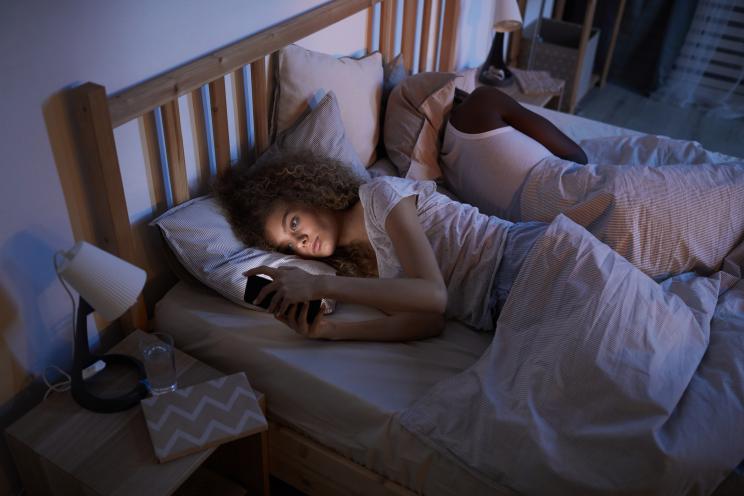






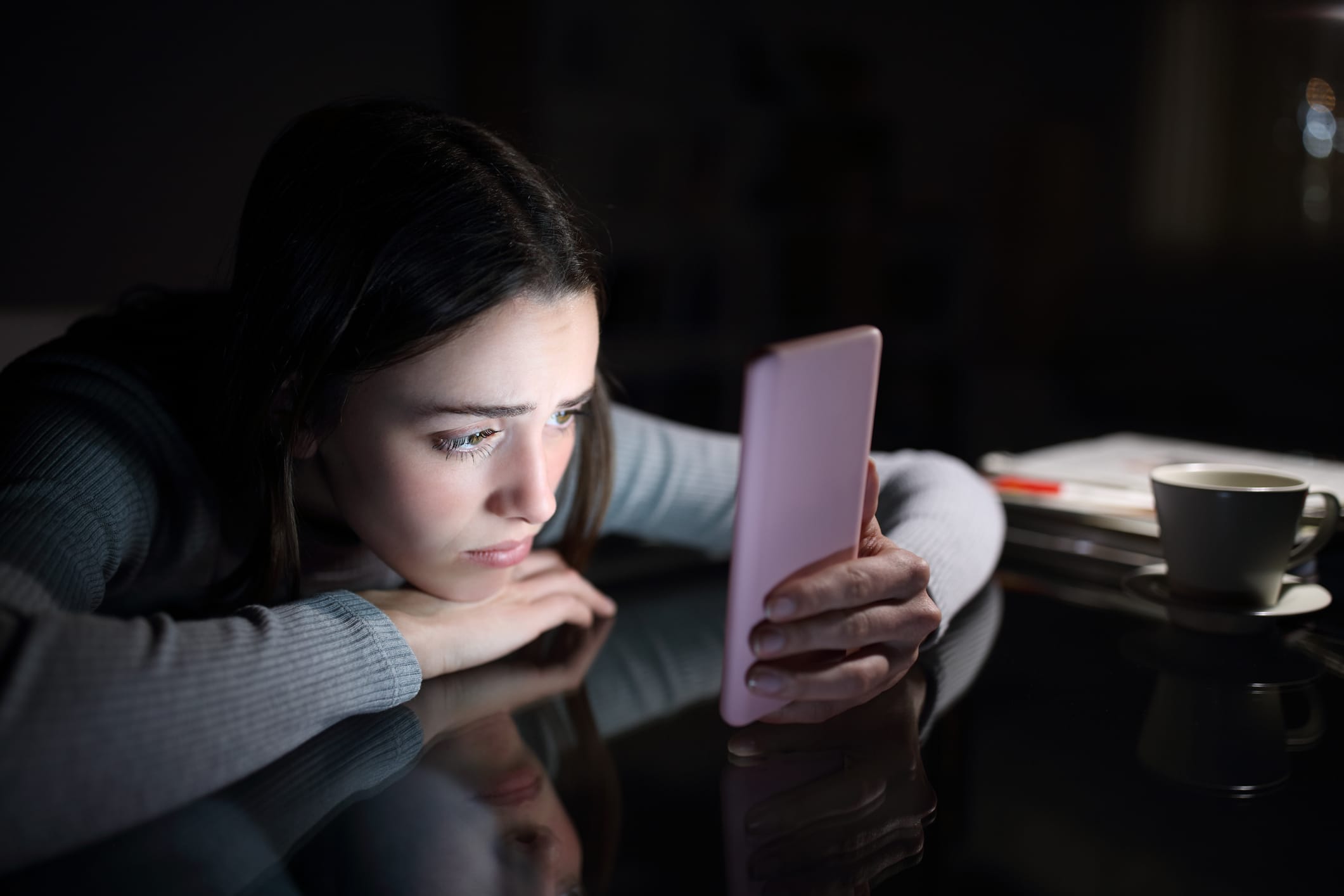
One study on consumer psychology and wellbeing suggests that focusing on a social media audience before posting content can detract from being fully present in the moment, but expressing one’s true self online may help reduce this effect, though not entirely.
Why Anticipating a Social Media Audience Affects Real-Life Experience
Social media use has made public presentation an ambient feature of private life. Individuals routinely document meals, walks, and ordinary evenings with the possibility of sharing in mind. Psychological research on the consequences of this shift has largely focused on time spent on platforms or on the effects of social comparison after posting. Less attention has been paid to what happens to the quality of experience before any content is shared, at the moment of anticipating an audience.
What was already known
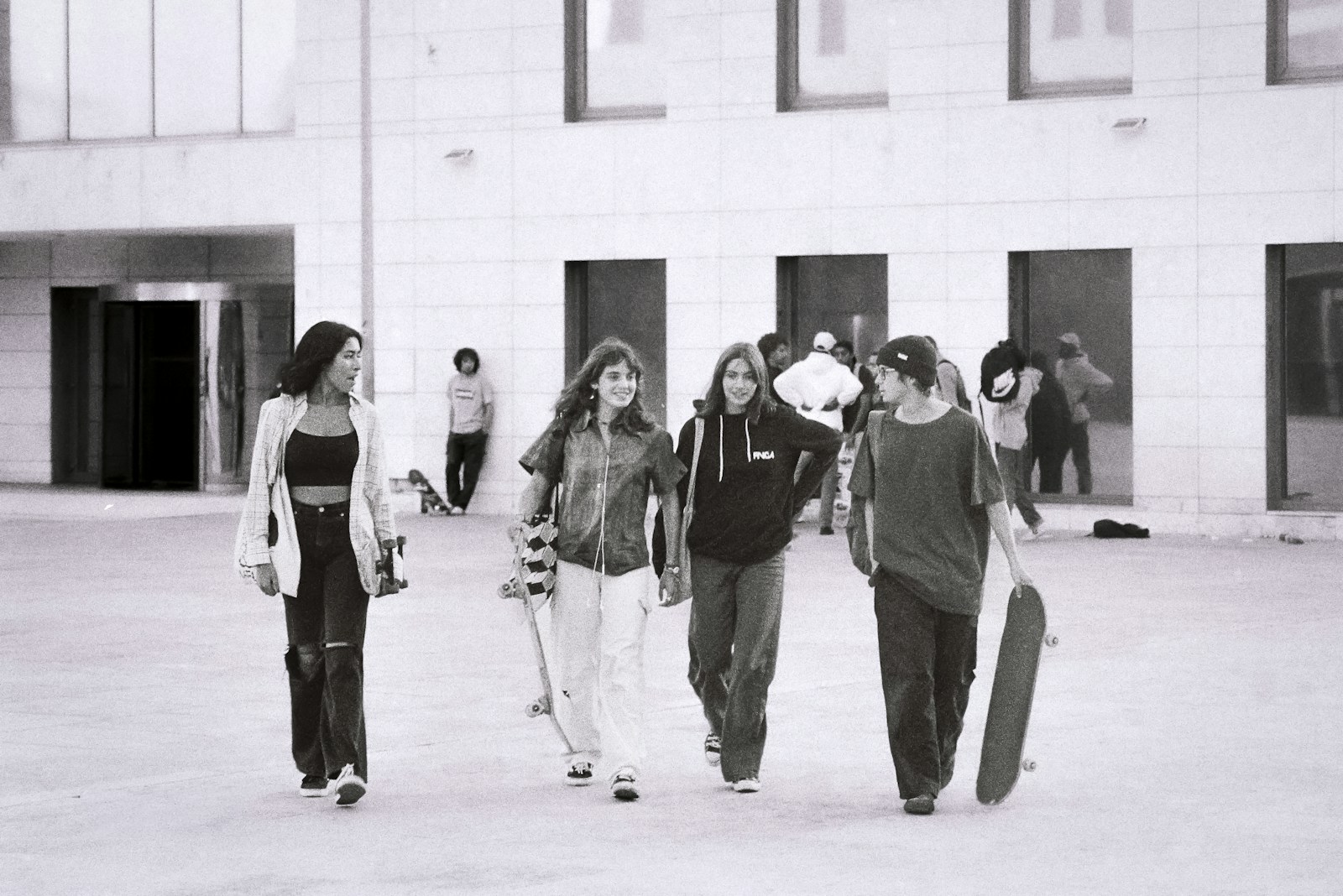
What was already known is that people who rarely post on social media may not necessarily be antisocial or out of touch. Research in psychology has shown that individuals who are less active on social media platforms may simply have a preference for privacy or may prioritize connecting with others in person. For example, introverted individuals may feel overwhelmed by constant online interactions and prefer more meaningful face-to-face connections. Additionally, older generations may be less active on social media due to unfamiliarity with technology or a desire for more traditional forms of communication. Therefore, it is important not to automatically assume that someone who doesn’t post frequently on social media is disconnected from society.
Social psychology has established that self-presentational concern the evaluative monitoring triggered by anticipated observation consumes cognitive and attentional resources. Research also links social media use to wellbeing outcomes, though findings in this area are mixed and context-dependent.
Evidence From Two Studies on Social Media and Attention
The synthesis draws on two peer-reviewed studies.
Barasch, Zauberman, and Diehl (2018), published in the Journal of Consumer Research, conducted a series of controlled experiments with participants at tourist sites and in laboratory settings. They found that individuals who took photographs intending to share them on social media reported lower enjoyment of the experience compared to those photographing only for personal memory. The authors identified self-presentational concern not the mechanical act of photography as the variable driving the difference. Participants who anticipated social evaluation shifted, in the researchers’ framing, from a participant orientation to a producer orientation. No specific overall sample size is reported in the synthesis article.
Bailey, Matz, Youyou, and Iyengar (2020), published in Nature Communications, analyzed the Facebook behaviour of 10,560 users. Using automated personality assessment derived from Facebook Likes and status updates, they estimated the alignment between each user’s actual personality and their online self-presentation. Users whose online behaviour more closely matched their actual personality reported greater life satisfaction. The study also included a pre-registered longitudinal experiment, which the authors report demonstrated a causal relationship between authentic posting and improvements in positive affect.
What the synthesis concludes
The review article argues that these findings, taken together, point to a two-part picture. The psychological cost of social media performance begins at the moment of anticipation, not at the moment of posting. And while authentic self-expression reduces the cost associated with managing an idealized image, it does not eliminate the attentional overhead of directing experience outward toward an audience. The review also argues that the costs concentrate in ordinary, un-postable moments rather than exceptional ones, because habitual performance establishes sharing as an implicit threshold for full attentional investment.
The article concludes that individuals who discontinue social media posting recover cognitive resources previously allocated to self-presentational monitoring, which it characterizes as a restoration of experiential capacity. It explicitly declines to translate this into prescriptive guidance, noting that the social and professional utility of social media varies across individuals.
Several limitations apply here and are not fully addressed in the synthesis. First, this is a review essay, not a primary study, and makes an argument by combining two studies with different methods, populations, and research questions. Second, neither study’s sample size is described in sufficient detail to assess generalizability. Third, both underlying studies rely substantially on self-report measures of enjoyment, wellbeing, and personality alignment, which introduce reporting biases. Fourth, the synthesis’s claims about ordinary experience that un-postable moments receive only residual attention are inferential extensions of the experimental findings, not directly tested. Fifth, the causal direction between authentic self-presentation and wellbeing, while supported by the longitudinal component of the Bailey et al. study, may not hold uniformly across populations or platform types.
References
The synthesis article does not carry a byline or journal attribution as presented. The two primary studies referenced are:
Barasch, A., Zauberman, G., & Diehl, K. (2018). How the intention to share can undermine enjoyment: Photo-taking goals and evaluation of experiences. Journal of Consumer Research, 44(6), 1220–1237.
Bailey, E. R., Matz, S. C., Youyou, W., & Iyengar, S. S. (2020). Authentic self-expression on social media is associated with greater subjective well-being. Nature Communications, 11, 4889.