




Friday, June 5, 2026
SAVED POSTS
  • Login
  • Register
RathBiotaClan
No Result
View All Result
  • HOME
  • HEALTH SCIENCE

    TRENDING ON HEALTH (TOP)

    For People Antidepressants Never Helped, a 30-Minute Home Session Is Now FDA-Approved

    Scientists Say Your Next Tube of Toothpaste Could Be Made From Human Hair

    Your Lungs, Liver, and Pancreas Also Age Faster When You Sleep Wrong

    Cycling Linked to Lower Dementia Risk in Study of Nearly 480,000 Adults

    NOW ON AIR (RBC)

    Biodiversity Loss
    ECOLOGY

    Biodiversity Loss Could Bankrupt Nations And Wall Street Hasn’t Noticed Yet

    June 5, 2026
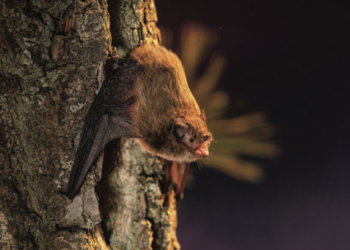
    Soprano pipistrelle (Pipistrellus pygmaeus) emerging from a tree hollow at the moment of take-off.
    ECOLOGY

    Human-generated electromagnetic noise has long lasting effects on light orientation in bats

    June 4, 2026
    PubMed Research Finder for Life Science Students
    BIOINFORMATICS

    PubMed Research Finder for Life Science Students

    May 26, 2026
    person behind fog glass
    HEALTH SCIENCE

    For People Antidepressants Never Helped, a 30-Minute Home Session Is Now FDA-Approved

    May 26, 2026
  • NEUROSCIENCE
    • PHYSIOLOGY
    • IMMUNOLOGY
    • CANCER
  • DISCOVERIES
    • SPOTLIGHTS
    • STUDENT PORTAL
    • SCIENCE FEATURED
  • MOLECULAR BIOLOGY
    • GENETICS
    • BIOTECHNOLOGY
    • BIOINFORMATICS
    • BIOCHEMISTRY
    • BIOPHYSICS
  • ZOOLOGY & ECOLOGY
    • ENVIRONMENTAL SCIENCE
    • ECOLOGY
    • EVOLUTION
  • MICRO & PLANT SCIENCE
    • MICROBIOLOGY
    • CELL BIOLOGY
    • DEVELOPMENTAL BIOLOGY
  • PSYCHOLOGY
RathBiotaClan
RathBiotaClan
No Result
View All Result
Home ECOLOGY

Human Caused Sixth Mass Extinction: Holocene extinction

Shibasis Rath by Shibasis Rath
February 22, 2025
in ECOLOGY, SCIENCE FEATURED
Reading Time: 6 mins read
0
A A
0
Many hands reach upwards in a sea of grey.

Holocene Extinctions

Mass extinction refers to a relatively short period of geological time where a number of biodiversity dies, which consists of species such as bacteria, fungi, plants, mammals, birds, reptiles, amphibians, fish, and invertebrates. In simple geological terms, “short” can cover thousands or even millions of years. Five major mass extinctions are recorded on Earth, which occurred about 65.5 million years ago, when dinosaurs went extinct in the fifth mass extinction. Scientists now classify us to be in the midst of a sixth mass extinction.

Scientists say other extinctions were caused by natural catastrophes, such as volcanic eruptions, collisions with asteroids, and the oxygenation collapse of the oceans. It’s a different story with this ongoing Holocene extinction that has been going on for the last 10,000 to 110,000 years. It is very dangerous and irreversible once it takes place. The human population is on the increase and this has resulted in a threat to other living organisms in the ecosystem through overhunting, exploitation for wool and leather, or the total effacement of green areas by urbanization, changing climate, pollution, among other challenges. Thirty percent of the species alive today will be lost in the next 40 years, and it would not come as a surprise if humans themselves are to be deleted in this extinction due to their destructive activities.

Conservationists call the Holocene extinction being caused by humans as an Anthropocene extinction. Like earlier mass extinctions brought about by global-scale habitat destruction caused by an event such as volcanic eruption or meteorite impact, habitat destruction plays a big role in the ongoing sixth mass extinction. Alternative lands can be found, and habitats can even be controlled for use in agriculture so as not to lose habitats and, therefore, the impacts on the flora and fauna. There is a need to regulate and control overconsumption of certain animal groups for food, and overhunting must be restricted under laws with continuous monitoring.

Aside from habitat losses caused by humans, one of the most destructive agents for habitats has been climate change. Inhibition of the consequences of climate change will thus go a long way toward slowing down the current mass extinction. This can be achieved by controlling fossil fuel usage, reducing greenhouse gas emissions, finding alternative energy sources, and ways of capturing the greenhouse gases in the atmosphere.

ADVERTISEMENT

Extinction is a natural process. Species die out or evolve over time. We know that on average, during Earth’s history, one species died out each year for every million species based on fossil evidence. This would imply that we would expect 10 to 100 species to go extinct annually, depending on which part of geological history we are dealing with. This has been termed the background extinction rate. But it is not: modern extinctions occur at a much higher rate than the background rate. Take the example of the mammalian species average lifespan, which is about one million years before it becomes extinct or evolves. In the last 400 years, 89 species of mammals have become extinct, which happens to be almost 45 times the rate of the background extinction rate.

READ ALSO

Biodiversity Loss Could Bankrupt Nations And Wall Street Hasn’t Noticed Yet

Human-generated electromagnetic noise has long lasting effects on light orientation in bats

Mammals aren’t alone with this trend. A loss of genetic diversity in vertebrates, invertebrates, plants, fungi, and other living creatures is shown to have a very high extinction rate, which is now ranging between 1,000 and 10,000. According to a paper published in 2017, nearly one-third of all known vertebrate species were declining in population size and range. Another study showed that 3,000 different species had seen half of their populations shrink since 1970. Should this continue, then 30-50% of the total species could be headed to extinction by the middle of the century. This statistic has only been seen one time in Earth’s history; this occurred when there were mass extinctions.

ADVERTISEMENT

Species loss that was identified at that specific time include:

The dodo (Raphus cucullatus) of Mauritius, extirpated mainly by the arrival of rats and pigs that could feed on this giant flightless pigeon’s eggs and young. This species is known to have died out some time before 1662.

ADVERTISEMENT

Hunting to extinction: The Great auk (Pinguinus impennis) was a large flightless sea bird of the North Atlantic. It is impossible to identify any last definite date of the species being seen; but the last definite record was when on July 3, 1844 a sailor recorded wringing the necks of two.

Stellar’s sea cow (Hydrodamalis gigas), an 8-10 meter long manatee-dugong relative, was first known to Western science in 1741 and hunted to extinction within 27 years by whalers.

Other dramatic extinctions during the Holocene occurred in:

Madagascar: Humans arrived between 350 and 550 CE, and through habitat destruction and hunting, wiped out species such as the elephant bird (Aepyornis maximus), two species of dwarf hippopotamus, and several large-to-giant lemurs.

New Zealand : Once Polynesians settled there in 1280 CE, they quickly exterminated species including nine species of moa (Dinornithiformes) and Haast’s eagle (Harpagornis moorei), one of the largest birds of prey ever.

Tasmania: The settlement of Tasmania in 1803 led to the systematic extermination of the Tasmanian people and the Tasmanian tiger (Thylacinus cynocephalus).

Continental North America also lost an enormous amount of species including :

The passenger pigeon, that was once the most plentiful bird species, was exterminated by the end of the 19th century, mainly due to habitat destruction and commercial large-scale hunting. The last pigeon, “Martha,” died in 1914.

The Carolina parakeet also went to extinction in the early years of the 20th century; it was in 1918 that the last surviving individual of the species, “Incas,” died.

The ivory-billed woodpecker, Campephilus principalis, became extinct by 1944 due to excessive logging of its habitat.

Major contemporary causes of extinction include:

  • Overfishing, making commercial fisheries collapse throughout the world.
  • Habitat destruction for agriculture, logging, development, reducing habitats for other species.
  • Freshwater habitat loss due to draining lakes and damming rivers.
  • Eutrophication from fertilizer runoff, turning coastal areas into “dead zones.”
  • Ocean acidification, weakening calcifying organisms like corals and mollusks.

Earth is probably on the brink of its sixth mass extinction, given the impact of human activity on the marine domain and on small things and a lot else besides. As with other mass extinctions, environmental shifts are proceeding at a pace too high for organisms to evolve fast enough to keep up. Current extinction rates aren’t yet comparable to the Big Five, but the same sort of causes-try thinking extreme eutrophication and ocean acidification-are operating.

A recent discovery in April 2018 was that the broad public hugely underestimates the plight of famous and “charismatic” species.


  • Share on WhatsApp (Opens in new window) WhatsApp
  • Share on Facebook (Opens in new window) Facebook
  • Share on Reddit (Opens in new window) Reddit
  • Share on X (Opens in new window) X
  • Print (Opens in new window) Print
Shibasis Rath

Shibasis Rath

"𝓒𝓸𝓷𝓷𝓮𝓬𝓽𝓲𝓷𝓰 𝓡𝓮𝓼𝓮𝓪𝓻𝓬𝓱 𝓣𝓸 𝓡𝓮𝓪𝓵𝓲𝓽𝔂" 𝓲𝓼𝓷'𝓽 𝓙𝓾𝓼𝓽 𝓪 𝓜𝓸𝓽𝓽𝓸 - 𝓘𝓽'𝓼 𝓜𝔂 𝓜𝓲𝓼𝓼𝓲𝓸𝓷

Related Posts

Biodiversity Loss
ECOLOGY

Biodiversity Loss Could Bankrupt Nations And Wall Street Hasn’t Noticed Yet

June 5, 2026
Soprano pipistrelle (Pipistrellus pygmaeus) emerging from a tree hollow at the moment of take-off.
ECOLOGY

Human-generated electromagnetic noise has long lasting effects on light orientation in bats

June 4, 2026
woman in black jacket sitting on gray concrete wall during daytime
PSYCHOLOGY

Psychology Study Says, Why People Who Enjoy Being Alone Often Build Stronger Minds and Deeper Connections

May 21, 2026

POPULAR NEWS

Chewing gum releases thousands of microplastic particles directly into your mouth with every piece you chew

Chewing gum releases thousands of microplastic particles directly into your mouth with every piece you chew

by Shibasis Rath
May 8, 2026
0

Microplastics are turning up in places researchers never expected: deep-sea sediments, Arctic ice, and human blood. Now, a UCLA pilot...

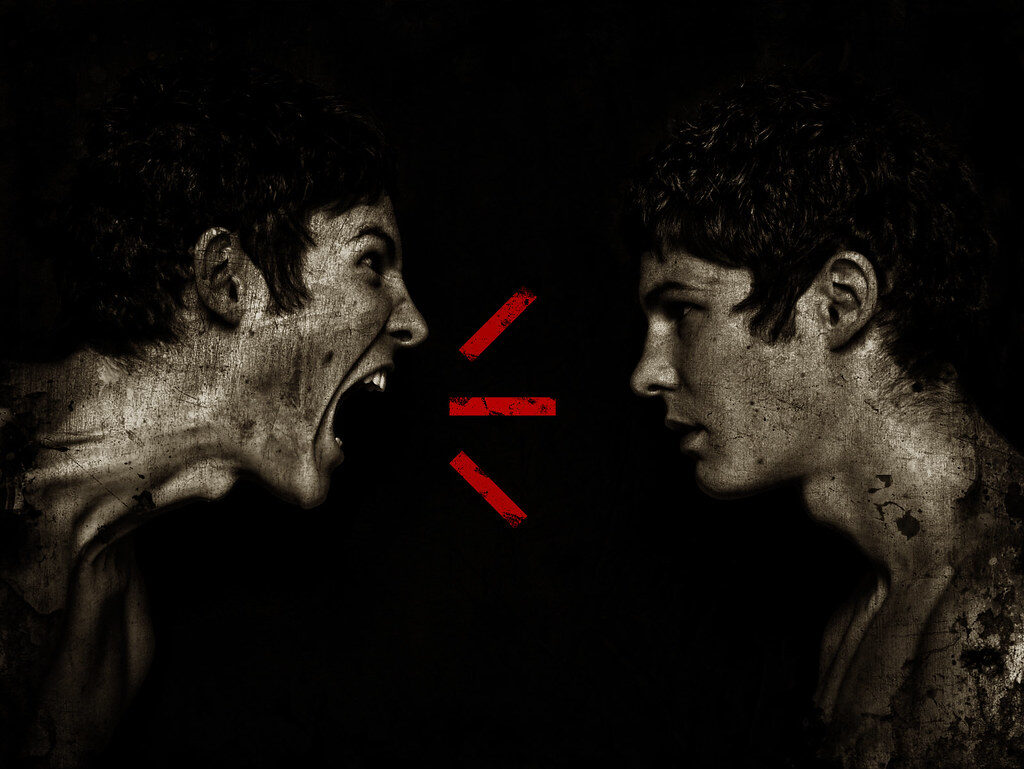
Yelling Isn’t Just Yelling: How a Hostile Home Rewires a Child’s Brain for Constant Alert

Yelling Isn’t Just Yelling: How a Hostile Home Rewires a Child’s Brain for Constant Alert

by Shibasis Rath
March 8, 2026
0

To a parent in the heat of the moment, a raised voice may feel like simple frustration. To a child...

a group of gen Z kids walking down a street

Is Gen Z the First Generation Less Intelligent Than Their Parents?

by Shibasis Rath
February 5, 2026
0

Gen Z intelligence decline is emerging as a serious concern among neuroscientists and education researchers. For over a century, each...

New Studys Says Gen Z is the least sexually active young cohort in modern recorded history

New Studys Says Gen Z is the least sexually active young cohort in modern recorded history

by Shibasis Rath
January 24, 2026
0

A generation that grew up with dating apps in their pockets, pornography a tap away, and sex discussed more openly...

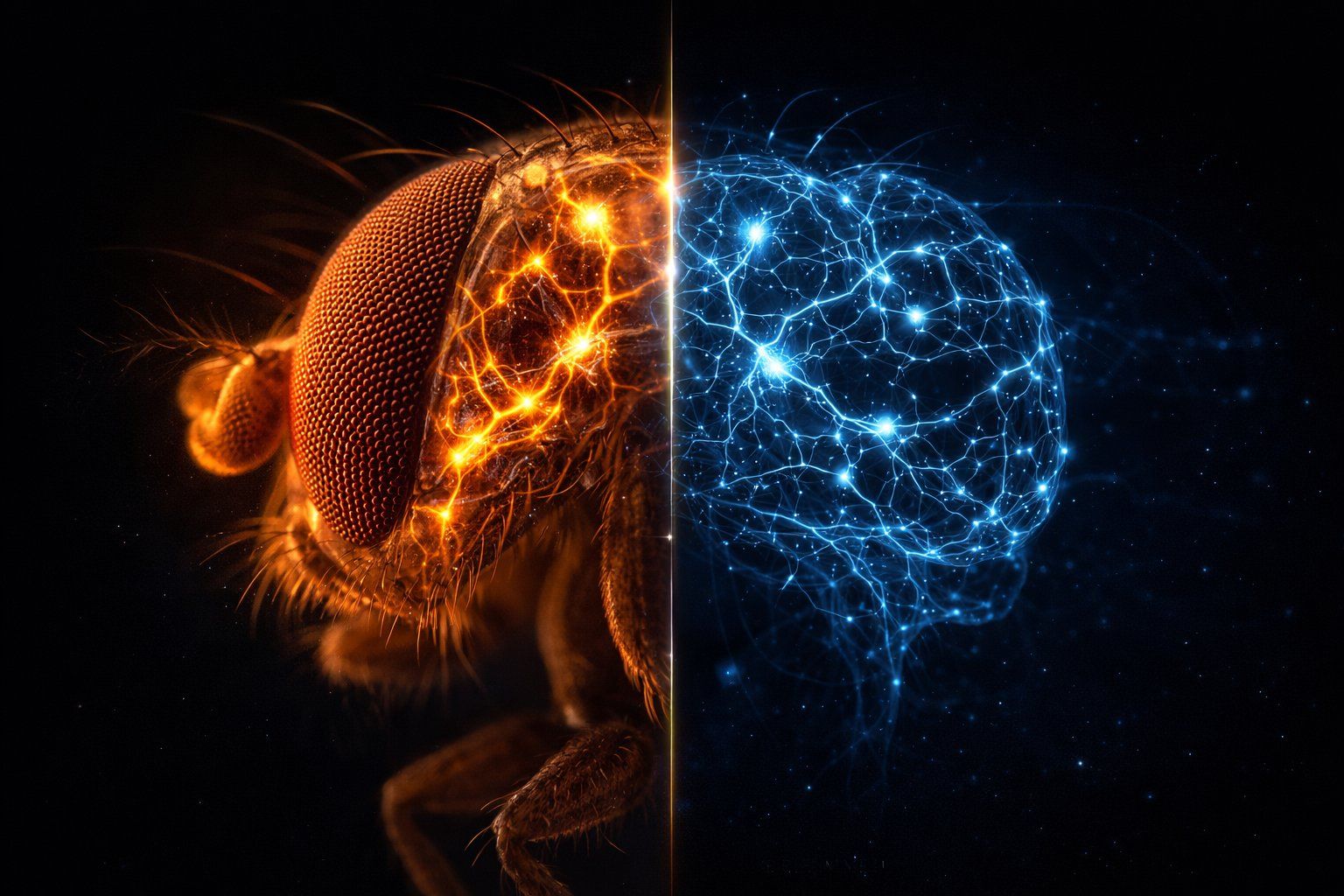
Whole Brain Emulation Achieved: Scientists Run a Fruit Fly Brain in Simulation

by Shibasis Rath
March 9, 2026
0

Scientists have copied an entire biological brain neuron by neuron and synapse by synapse and made it control a simulated...

EDITOR CHOICE‘S

  • All
  • NEWS
  • SPOTLIGHTS
Biodiversity Loss

Biodiversity Loss Could Bankrupt Nations And Wall Street Hasn’t Noticed Yet

by Staff Writer
June 5, 2026
0

Every year, governments borrow trillions of dollars to function. The interest rate they pay depends almost entirely on their credit...

Soprano pipistrelle (Pipistrellus pygmaeus) emerging from a tree hollow at the moment of take-off.

Human-generated electromagnetic noise has long lasting effects on light orientation in bats

by Shibasis Rath
June 4, 2026
0

A new study has found that soprano pipistrelle bats exposed to low-intensity broadband radiofrequency noise fly in random directions when...

PubMed Research Finder for Life Science Students

PubMed Research Finder for Life Science Students

by Shibasis Rath
May 26, 2026
0

Finding reliable research papers shouldn't be hard for any life science student.Whether you are preparing for CSIR-NET, writing your M.Sc...

person behind fog glass

For People Antidepressants Never Helped, a 30-Minute Home Session Is Now FDA-Approved

by Shibasis Rath
May 26, 2026
0

For the roughly one in three people with depression whose symptoms persist through antidepressants, the standard next step has typically...

ADVERTISEMENT

RathBiotaClan – RBC

RathBiotaClan – Connecting Research To Reality

Your trusted source for life science news, biology research & discoveries. Covering neuroscience, genetics, ecology, and more — connecting research to reality.

About Us

Privacy Policies

Contact Us

Editorial Standard

Latest Posts

  • Biodiversity Loss Could Bankrupt Nations And Wall Street Hasn’t Noticed Yet
  • Human-generated electromagnetic noise has long lasting effects on light orientation in bats
  • PubMed Research Finder for Life Science Students
  • For People Antidepressants Never Helped, a 30-Minute Home Session Is Now FDA-Approved

SHIBASIS RATH

Contact Mail

rathbiotaclan@gmail.com

No Result
View All Result
MSME (Udyam) Certified Science Platform
Govt. of India

Get Us On PlayStore

playstore app for rathbiotaclan
  • About Us
  • Advertise With Us
  • Cancellation and Refund Policy
  • Contact Us
  • Contribute
  • Editorial Standards
  • Home
  • Pricing Details
  • Privacy Policies
  • Shipping Policy
  • Terms & Conditions

© 2026 RathBiotaClan. All rights reserved.

Welcome Back!

Sign In with Google
OR

Login to your account below

Forgotten Password? Sign Up

Create New Account!

Sign Up with Google
OR

Fill the forms bellow to register

*By registering into our website, you agree to the Terms & Conditions and Privacy Policy.
All fields are required. Log In

Retrieve your password

Please enter your username or email address to reset your password.

Log In

Add New Playlist

No Result
View All Result
  • HOME
  • HEALTH SCIENCE
  • NEUROSCIENCE
    • PHYSIOLOGY
    • IMMUNOLOGY
    • CANCER
  • DISCOVERIES
    • SPOTLIGHTS
    • STUDENT PORTAL
    • SCIENCE FEATURED
  • MOLECULAR BIOLOGY
    • GENETICS
    • BIOTECHNOLOGY
    • BIOINFORMATICS
    • BIOCHEMISTRY
    • BIOPHYSICS
  • ZOOLOGY & ECOLOGY
    • ENVIRONMENTAL SCIENCE
    • ECOLOGY
    • EVOLUTION
  • MICRO & PLANT SCIENCE
    • MICROBIOLOGY
    • CELL BIOLOGY
    • DEVELOPMENTAL BIOLOGY
  • PSYCHOLOGY
  • Login
  • Sign Up
SAVED POSTS

© 2026 RathBiotaClan. All rights reserved.

This website uses cookies. By continuing to use this website you are giving consent to cookies being used. Visit our Privacy and Cookie Policy.