
The circulatory system in vertebrates is a sophisticated transport network consisting of the heart, arteries, veins, capillaries, the blood vascular system, and the lymphatic system (lymph channels and lymph).
This system serves three critical physiological roles:
- Transport: Circulates oxygen (O2), carbon dioxide (CO2), nutrients, hormones, and other essential substances.
- Excretion: Removes metabolic waste products by transporting them to excretory organs.
- Protection: Defends the body against infection and disease.
Components of the Circulatory System
Vertebrates possess a closed circulatory system, meaning blood is confined within a continuous network of vessels. The three primary vessels are distinguished by their structure and function.
Structural Comparison of Vessels
| Vessel Type | Function | Structure | Pressure Profile |
| Arteries | Carry blood away from the heart. | Thick, muscular, and elastic walls. | Maintains High pressure. |
| Veins | Carry blood towards the heart. | Thinner walls with less muscle/elastic tissue. | Facilitates Lower pressure. |
| Capillaries | Link arteries to veins; facilitate exchange. | Single layer of epithelial cells. | Low pressure allows diffusion. |

The Portal System
Typically, blood flows in a linear path: Heart → Artery → Capillary → Vein → Heart. However, the portal system represents a significant deviation from this standard route.
Definition: A Portal System is a unique vascular arrangement where a vein, before returning to the heart, divides into a second set of capillaries within a specific organ.
The Pathway:
- Arteries supply an organ.
- Capillaries collect into a vein.
- Deviation: This vein travels to a second organ and divides into capillaries again (e.g., the Hepatic Portal Vein carrying nutrient-rich blood from the gut to the liver).
- Blood is finally collected by venules and veins to return to the heart.
Types of Circulatory Systems
Vertebrate evolution showcases a transition from single to double circulation, optimizing oxygen delivery based on metabolic needs.
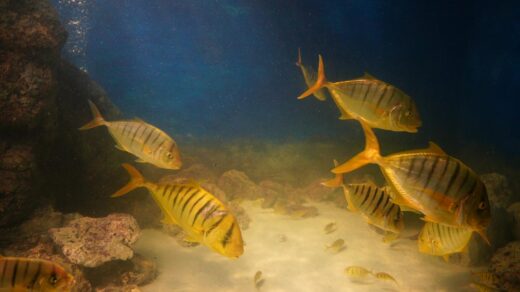
1. Single Circulation (e.g., Fish)
In this system, blood completes only one circuit through the heart per body cycle.
- Heart Structure: Two main chambers (One Atrium, One Ventricle).
- The “Venous Heart”: Since the heart only pumps deoxygenated blood received from the body, it is termed a venous heart.
The Cycle of Single Circulation:
- Heart → Gills: Deoxygenated blood is pumped via the ventral aorta.
- Oxygenation: CO2 is released and O2 is absorbed across gill filaments.
- Gills → Body: Oxygenated blood flows directly to the body via the dorsal aorta.
- Oxygen Delivery: Tissues absorb O2, turning the blood deoxygenated.
- Return: Veins return deoxygenated blood to the heart.
2. Double Circulation (e.g., Mammals)
In mammals and birds, blood passes through the heart twice for every complete circuit of the body. This separation prevents the mixing of oxygenated and deoxygenated blood, supporting high metabolic rates.
- Heart Structure: Four chambers (Two Atria, Two Ventricles).
- The “Pulmonary Heart”: The heart handles both respiratory (pulmonary) and systemic circulation simultaneously.
Phase A: The Pulmonary Circuit (Lungs)
Goal: Oxygenate the blood.
- Heart → Lungs: The Right Ventricle pumps deoxygenated blood via the Pulmonary Artery.
- Exchange: In the lungs, blood releases CO2 and picks up O2.
- Lungs → Heart: Oxygenated blood returns to the Left Atrium via Pulmonary Veins.
Phase B: The Systemic Circuit (Body)
Goal: Deliver oxygen to tissues.
- Heart → Body: The Left Ventricle pumps oxygenated blood with high pressure through the Aorta.
- Exchange: Blood delivers O2 to tissues and collects waste.
- Body → Heart: Deoxygenated blood returns to the Right Atrium via the Venae Cavae.
Understanding the vertebrate circulatory system reveals the intricate biological engineering required to sustain life. The evolutionary shift from the Single Circulation of fish to the complex Double Circulation of mammals highlights how species have adapted to their environments. By isolating oxygenated blood, mammals maintain the high blood pressure and efficient oxygen delivery necessary for an active, warm-blooded lifestyle.